The Patriot License Tests the Ethics of Sharing Military Secrets
Ukraine needs a durable defense against missile attacks, while Washington is weighing whether sharing PAC-3 seeker technology creates a new risk of proliferation and capture.
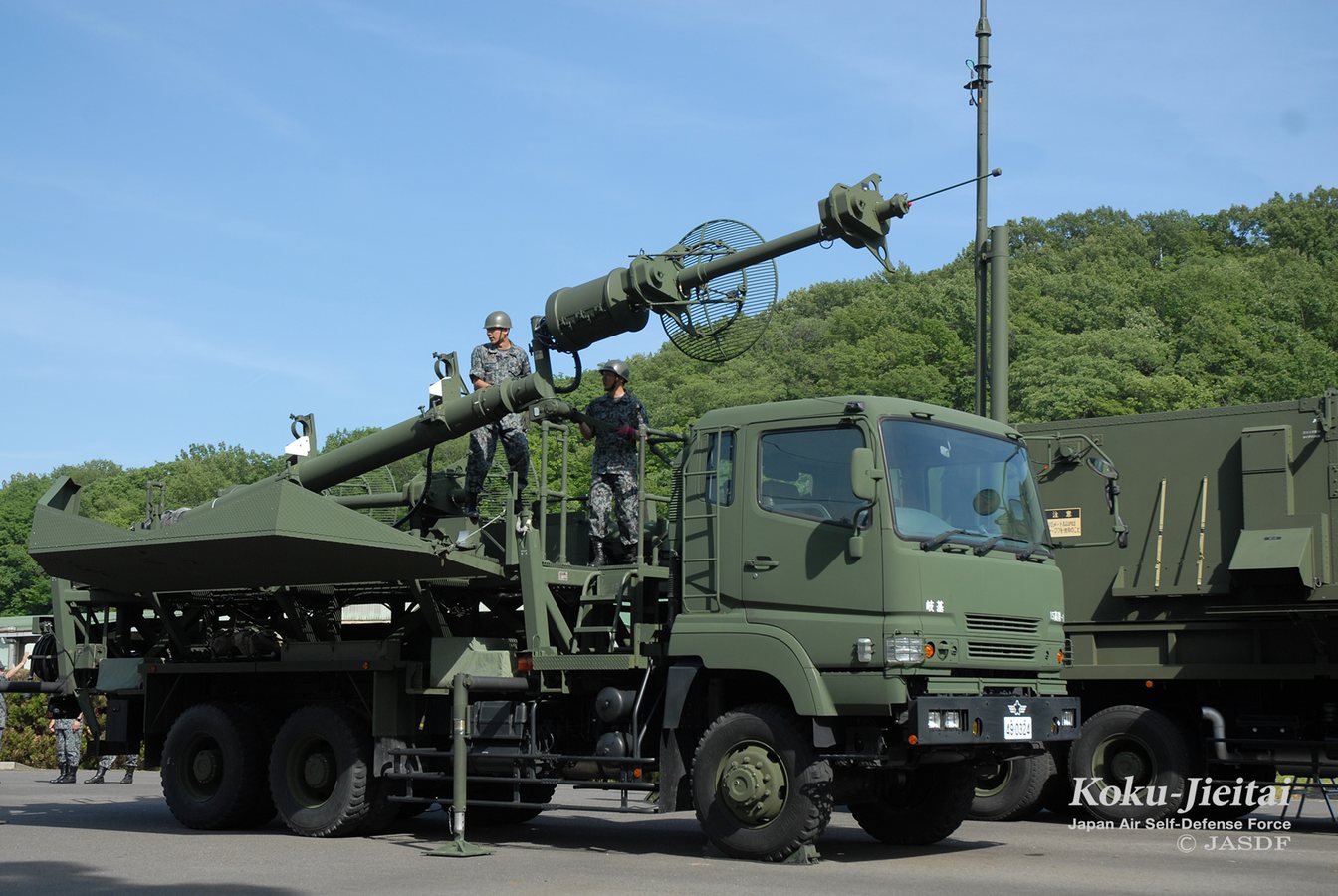
A missile-defense license can look like a technical agreement, yet the argument around Ukraine’s future Patriot production is also a moral one. One side of the equation is visible in Ukrainian cities: ballistic missiles arrive in seconds, and too few interceptors can leave civilians exposed. The other side is less visible but real: transferring the most sensitive guidance technology can create knowledge that an adversary may spend years trying to steal.
President Donald Trump told Volodymyr Zelenskyy at the NATO summit in Ankara on July 8 that the United States would give Ukraine the right to manufacture Patriots. The Telegraph now reports that an internal administration debate has focused on Boeing’s PAC-3 Ka-Band Active Radar Seeker. The component detects and tracks a target near the end of the interceptor’s flight and feeds guidance data needed for a precise hit-to-kill collision.
The ethical tension begins with time. Ukraine needs defensive missiles now, but a production license is a long-term solution. The Associated Press reported that even a pilot line based on imported component kits could take at least 18 to 24 months. A complete production chain would take longer still. That means the license cannot be justified as a substitute for immediate deliveries; its value lies in reducing future dependence and building a more resilient European defense base.
The second tension concerns trust. The Telegraph says U.S. officials fear that full seeker technology could eventually reach Russia. A manufacturing package is not a single object that can be locked in a warehouse. It includes drawings, software, test procedures, machine settings and people who understand how the system works. Every additional factory and subcontractor creates another place where espionage or cyber intrusion might be attempted.
That concern does not imply that Ukraine is uniquely untrustworthy. Weapons programs among allies routinely impose compartmented access and restrictions on the most sensitive components. Japan has assembled PAC-3 missiles under license since the 2000s, yet Boeing has continued to manufacture the seeker in Huntsville. The historical pattern shows that cooperation can be deep without every partner reproducing every protected technology.
The location of a future line raises a third moral choice. A factory inside Ukraine would contribute directly to national industrial sovereignty, jobs and wartime self-reliance. It would also become an obvious target for Russian missiles, potentially putting workers and surrounding communities at greater risk. The Telegraph reports that Germany or another European country is therefore being considered as an alternative. Such a solution might protect the workforce while still dedicating output to Ukraine.
Industry can support a compromise. Boeing is tripling seeker production under a new seven-year framework, and Lockheed Martin plans to increase PAC-3 MSE capacity to about 2,000 a year. A European or Ukrainian-linked line could assemble missiles around U.S.-supplied sensitive modules, allowing more production without transferring the entire seeker package.
The final arrangement will reveal how Washington balances two obligations that cannot simply be wished away: helping a country defend its population against continuing attack and protecting technology whose loss could weaken that defense in the future. The most durable answer may not be absolute secrecy or unrestricted transfer, but a carefully divided production chain in which Ukraine gains capacity while the most sensitive knowledge remains controlled.
71