Algeria Severs Diplomatic Ties with United Arab Emirates
Algeria has broken off diplomatic relations with the United Arab Emirates, marking a sharp escalation in bilateral tensions between the two Arab states.
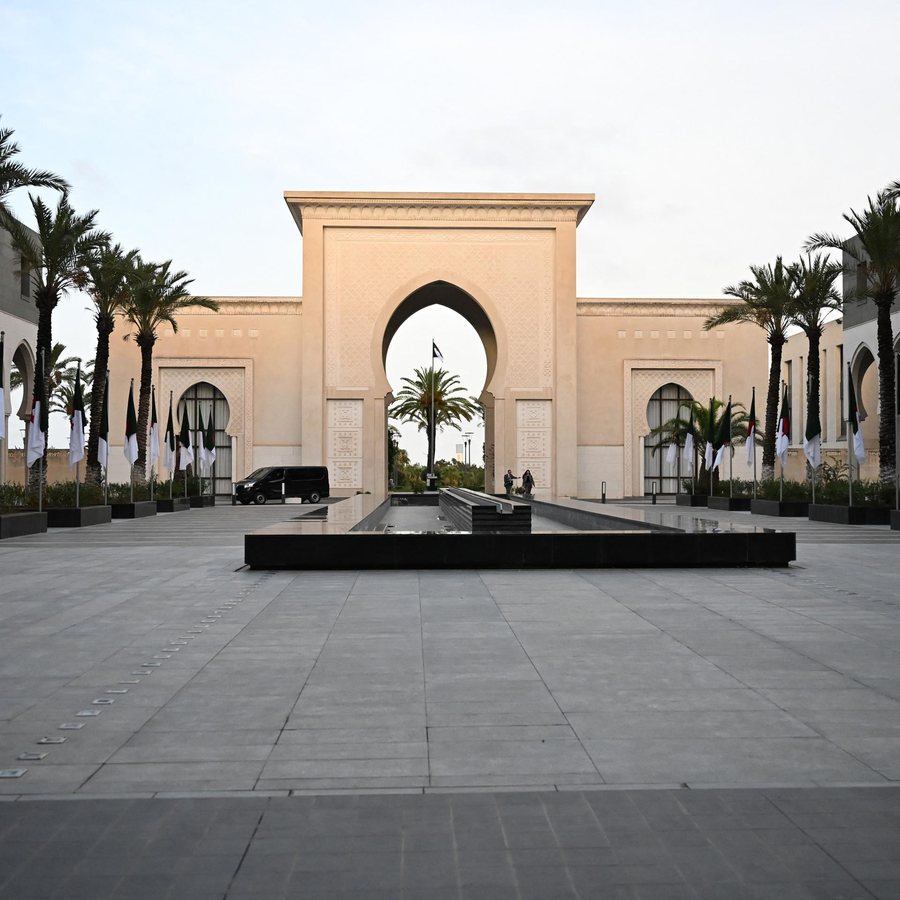
Algeria has severed its diplomatic relations with the United Arab Emirates, a rupture that sharply escalates tensions between the two Arab states and reshapes a key axis of regional politics.
The break was announced without a public explanation of the specific trigger, but it follows a period of mounting friction between Algiers and Abu Dhabi. The two governments have long been at odds over a range of regional files, and the severing of ties represents the most serious rupture in their relationship to date.
Algeria and the UAE have pursued increasingly divergent foreign policies in recent years, particularly in North Africa and the wider Middle East. Algiers has viewed Abu Dhabi's expanding diplomatic and security footprint with growing suspicion, while the Emirati leadership has cultivated partnerships that Algerian officials regard as encroaching on their strategic interests.
The decision to cut ties is a significant step in the diplomatic vocabulary of the region. Full severance is rare among Arab League members, and it signals that Algeria no longer sees value in maintaining even formal channels with Abu Dhabi. The move is likely to have immediate consequences for bilateral cooperation, including consular services, trade facilitation, and any joint security or intelligence arrangements that may have existed.
For Algerians living or working in the Emirates, and for Emirati nationals in Algeria, the practical effects could be felt quickly. Diplomatic missions would typically be withdrawn or reduced, and citizens in each country may need to rely on third-party representation for consular matters. Business ties, which have grown in sectors such as logistics, energy, and finance, now face an uncertain future.
The rupture also carries broader implications for regional alignments. Algeria has positioned itself as a defender of state sovereignty and a critic of what it sees as external interference in Arab affairs. The UAE, by contrast, has built a network of influence through investment, military cooperation, and diplomatic mediation. The breakdown between them could complicate efforts to manage crises in Libya, the Sahel, and the eastern Mediterranean, where both countries have stakes.
Observers of North African politics will be watching for reactions from other capitals. Egypt, Saudi Arabia, and Tunisia all maintain relationships with both sides, and the severance may force them to recalibrate their own diplomatic balancing. The African Union and the Arab League may also face pressure to address the rift, though neither body has a strong record of resolving such disputes among members.
Algeria's move comes amid a period of heightened uncertainty in the region. The war in Sudan, instability in Libya, and the ongoing conflict in Gaza have all strained traditional alliances and created new rivalries. In that context, the Algerian-Emirati split is not merely a bilateral matter but a signal that the regional order is being renegotiated.
What remains unclear is whether the break is intended as a permanent realignment or as a pressure tactic. Algeria has previously used diplomatic gestures to signal displeasure without fully closing the door. But the language of severance is unambiguous, and reversing it would require a significant shift in either capital's calculus.
For now, the two countries enter a period of formal estrangement. The absence of diplomatic relations does not automatically mean confrontation, but it removes the mechanisms that normally prevent misunderstandings from escalating. In a region already crowded with flashpoints, that absence is itself a risk.
52