Cambridge Science Park plans a flexible design for discoveries not yet made
Cambridge Science Park, now 55 years old, is being refreshed on the principle that its designers cannot know which future discoveries will be made within it. Its planners favour flexible frameworks, shared community spaces and a clear purpose over fixed facilities.
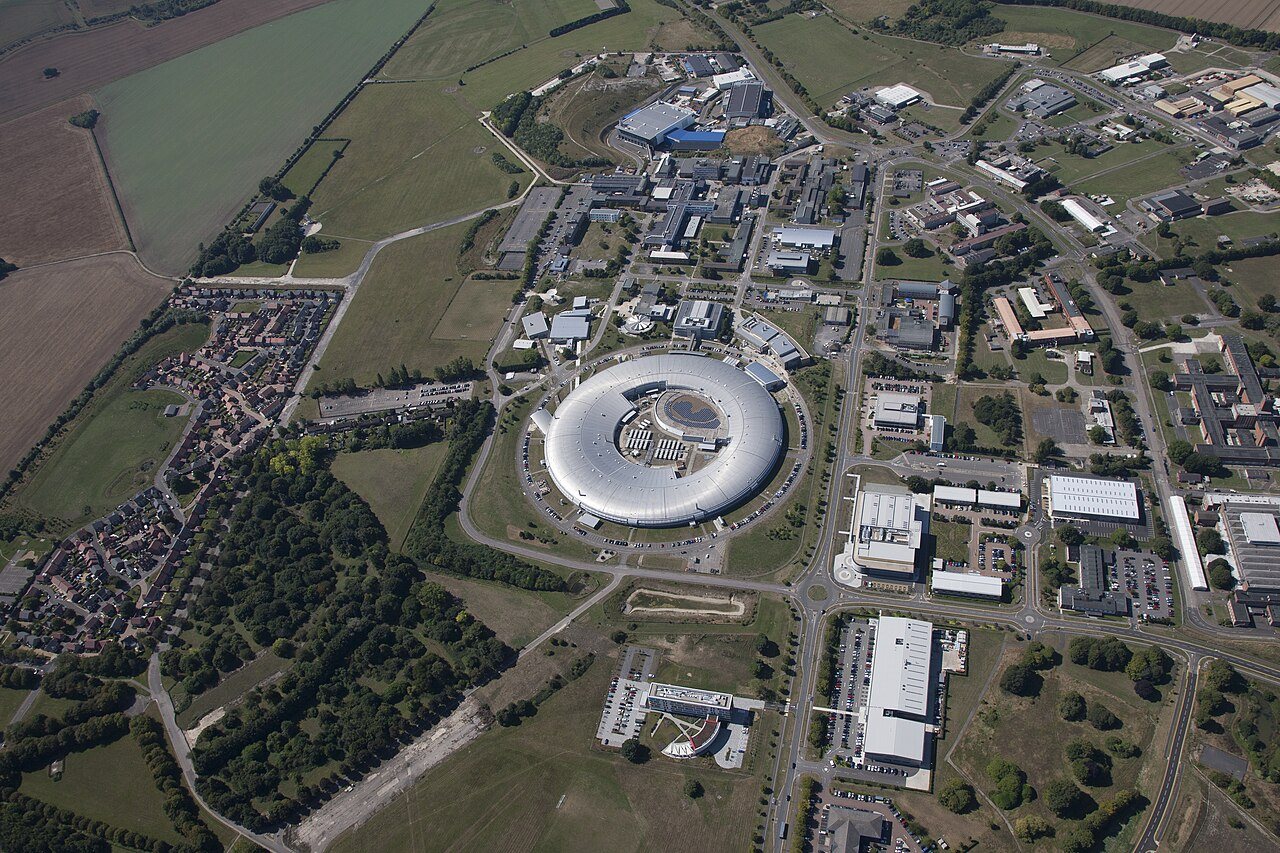
Cambridge Science Park, the first of its kind in Europe, is preparing to refresh and upgrade its facilities, and its operators are asking a question that has no simple answer: how do you design a place for ideas and technologies that do not yet exist? The Park is 55 years old, and its planners argue that humility must shape any plan for the next half century.
The Park's founder, Sir John Bradfield, and its architects could not have known that its occupants would produce the innovations that now define everyday life. The first buildings were raised at a time when there were no mobile phones, when sandwiches were not wrapped in biodegradable packaging, and when a cancer diagnosis was far less likely to be followed by treatment. Transformative discoveries in all three areas were made by innovators working within the Park, which is why its operators say such places can improve the world.
Designing for that unknown future is difficult. Building facilities for today's newest science risks making them obsolete quickly, and predicting the next breakthrough is equally hard. The example given is that a property developer in 1985 might have designed a site for circuitry for the Sinclair C5, and one in 2013 might have focused on spin-offs from Google Glass. Investing millions in facilities that could be outdated before construction ends is not a sensible option.
The article points to several successful innovation districts in the United States that avoided this trap from the outset. Kendall Square in Boston, Stanford Research Park in Palo Alto, Research Triangle Park in North Carolina and Tech Square in Atlanta were not planned as finished places. They were built as frameworks that could evolve over decades, with flexible spaces able to host industries that did not exist when the first plans were drawn.
In this model the architect's role is not to anticipate science but to act as a facilitator, designing for the scientists, innovators and thinkers who will shape the future. Buildings matter, but they come second. Before anything else, people need a place that inspires, is easy to navigate, offers green spaces, natural meeting points, places to eat and drink, and room for sport and extracurricular activity.
The authors stress that this is not cosmetic. The strongest science parks are walkable, attractive and social, with cafés, public spaces, cultural events and areas where conversations can start without an agenda. Such settings allow informal collaboration to take root. Beyond design, they invest in incubators, accelerators and shared laboratories, and they bring together researchers, entrepreneurs, investors and established companies, facilitating partnerships that turn a cluster of occupiers into a community of innovators.
Purpose and philosophy also matter. Each of the American examples had a clear aim: Kendall Square was earmarked by MIT as a place for entrepreneurship and the translation of research into real-world impact; Research Triangle Park was designed to transform the economy of North Carolina; Stanford Research Park was intended to bring innovators to what was then a quiet part of California; and Tech Square was built to drive regional growth by connecting university research with industry. Without such a purpose, the article warns, an innovation cluster may become little more than a nice-looking business park.
For Cambridge Science Park, the stated goal is to grow into a world-leading innovation hub. That purpose, the operators say, guides decisions from design to governance. It is the reason for a planned new public Park of Science running through the district, with interactive scientific exhibits, play areas and features intended to keep school groups and families occupied for a full day. The article also notes that leadership matters: short-term budgetary pressures can make it tempting to accept any tenant, while strong governance is needed to shape a meaningful ecosystem.
The Park's benefits are also meant to reach its neighbours. The Cambridge Science Centre, housed within the Park, seeks to make science, technology, engineering and mathematics accessible and inspiring for young people. To coincide with the redevelopment, Trinity College is developing a new education programme across Cambridgeshire, including pathways to future employment.
In short, planning a science park means creating conditions in which ideas that do not yet exist can be discovered, developed and turned into things that change the world, while also inspiring the children who may become the scientists of tomorrow. The authors argue this requires no crystal ball, only attention to evolution, collaboration and place-making.
5