BRICS Leaders Meet in New Delhi as Summit Adopts Reform Declaration
The 18th BRICS summit in New Delhi entered its final day with an expanded session bringing together member states, partner countries and invited nations, after leaders adopted a declaration calling for reform of global institutions and restraint in the Middle East.
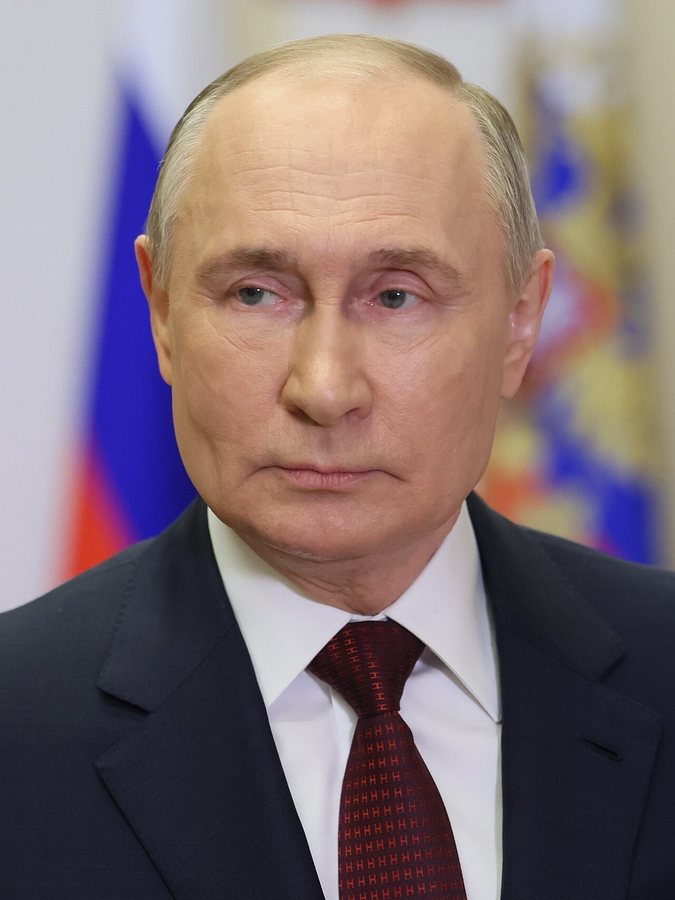
Leaders of the BRICS bloc gathered in New Delhi for the second and final day of their 18th summit, with Russian President Vladimir Putin, Indian Prime Minister Narendra Modi and Chinese President Xi Jinping joining an expanded session that brought together member states, partner countries and other invited nations.
The expanded format, often referred to as BRICS+, reflects the group's widening reach as it seeks to position itself as a voice for emerging markets and developing economies. Discussions on the closing day focused on resilience, innovation, cooperation and inclusive global growth, according to the summit agenda. Further bilateral meetings among participating delegations were also expected on the sidelines.
The final day followed the unanimous adoption on Saturday of the New Delhi Declaration, a document that calls for reform of global institutions to give emerging markets and developing countries greater representation. The declaration also condemns unilateral economic measures that violate international law, a longstanding concern for several BRICS members that have faced sanctions from Western states.
On the Middle East, the declaration urges «maximum restraint» and stresses dialogue and diplomacy as the means of resolving international disputes. The language signals the bloc's preference for negotiated outcomes over escalation at a time of heightened regional tensions.
The opening day produced a series of high-profile statements from the leaders. Putin described BRICS as one of the main centers of global governance and called for international financial institutions to adapt to shifting economic realities. Modi said the changing world «cannot be steered by outdated institutions», while Xi called for a greater BRICS role in international affairs.
The three leaders' participation in the expanded session underscores the bloc's ambition to broaden its diplomatic weight. India, which holds the summit chair, has promoted a diplomacy-first approach aimed at keeping dialogue open among members with differing strategic outlooks. The presence of partner countries and invited nations alongside the core membership points to an effort to build a wider coalition around shared economic and governance priorities.
The New Delhi Declaration's call for institutional reform echoes earlier BRICS communiqués that have pressed for changes to the governance of international financial bodies. The document's rejection of unilateral economic measures that violate international law adds a sharper political edge, reflecting concerns among several members about the use of sanctions and trade restrictions as instruments of pressure.
On the Middle East, the emphasis on restraint and diplomacy places the bloc alongside other international voices urging de-escalation. The declaration does not prescribe specific measures, leaving the path to resolution in the hands of the parties involved and the broader diplomatic process.
As the summit closed, attention turned to how the bloc will translate the declaration's principles into practice. The expanded session's focus on resilience, innovation and inclusive growth suggests a continued emphasis on economic cooperation and development financing, areas where BRICS members and partners see room for joint action. The outcome of the New Delhi meetings will be watched by governments and institutions beyond the bloc's membership for signals about the direction of a grouping that increasingly presents itself as a counterweight in global governance.