Ceuta Overwhelmed by 49,000 Migrant Arrivals From Morocco
More than 49,000 people entered the Spanish enclave of Ceuta from Morocco in 24 hours. Spain and Morocco agreed to accelerate returns as emergency measures and border controls were introduced.
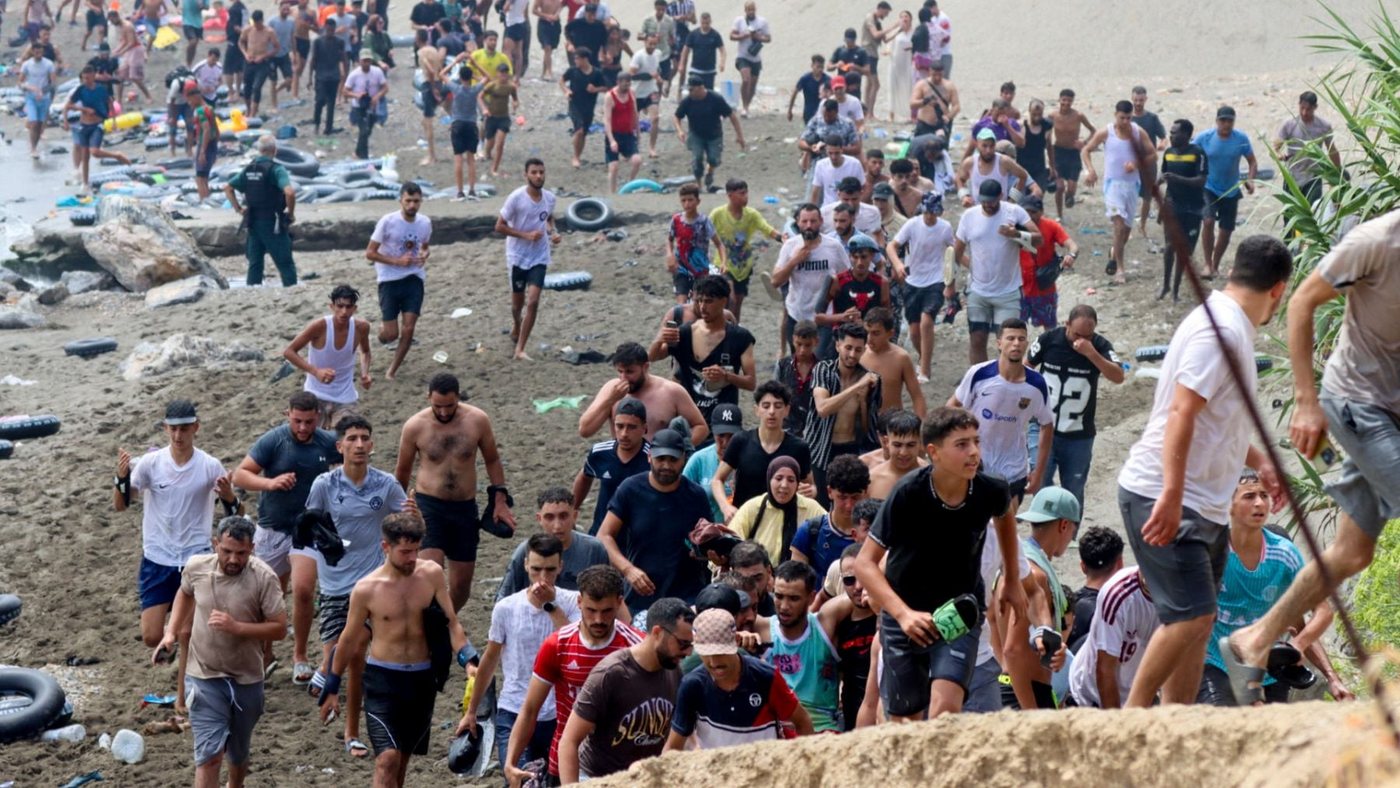
More than 49,000 people entered the Spanish enclave of Ceuta from Morocco in the space of 24 hours, overwhelming a city whose population is roughly half that number and forcing the authorities to activate an emergency response. The figure, confirmed by Spain's Interior Ministry, has reopened a sensitive debate about migration management and the effectiveness of return agreements between Madrid and Rabat.
Spain and Morocco have announced a deal to speed up the return of people who entered Ceuta irregularly, but the experiences of previous crises and forecasts from police sources suggest that a significant number will end up remaining in Spanish territory. The authorities are still investigating the causes and the full scale of the wave, which unfolded within hours and placed the local administration under severe strain.
By early Friday, the consequences of the mass arrival were visible across the city. Long queues formed outside supermarkets, with police intervening at least once to disperse a crowd and then arrange migrants into an orderly line outside a shop. Large groups of people who had crossed from Morocco overnight were seen wandering along the Paseo Marítimo, sleeping in public spaces and cooling off in municipal fountains, according to reports from the scene.
The pressure on public services led the city to suspend its patron saint festivals. At the same time, the national government moved to secure the centre before a visit by Prime Minister Pedro Sánchez, who travelled to Ceuta to see the emergency for himself. Police officers sealed off the avenue where the regional palace is located and cleared migrants from the area, while municipal teams were sent to clean the beaches and streets around the town hall before the prime minister's arrival.
Sánchez's visit came as his government faced criticism over the timing of its response. Education Minister Milagros Tolón described the situation as «indeed serious» and said it was one that had to be resolved. She added that the prime minister wanted to see the conditions «firsthand» and that the foreign minister, José Manuel Albares, was carrying out diplomatic work in response to the crisis.
Regional leaders also increased pressure on Madrid. Antonio Sanz, first vice president of the Andalusian regional government, expressed his «maximum concern» about the situation in Ceuta and called on the central government to attend to the city's emergency request. He described Prime Minister Sánchez's migration policy as «chaos and disaster», saying it reflected improvisation and a lack of planning.
France has also reacted to the crisis. Interior Minister Laurent Nuñez said he had given instructions overnight to reinforce controls on the border with Spain and had activated the Rapid Border Intervention Force for thorough checks. His announcement highlighted the wider European dimension of the pressure on Ceuta, a Spanish outpost on the northern coast of Africa.
Among the 49,000 people who entered the city, 7,000 were children, according to government figures. The large number of minors adds to the complexity of both the humanitarian response and the return arrangements being discussed with Morocco, and it has raised concern about how the situation will be managed in the coming days.