Drone Strike Hits Cooling Tower at Russia's Kursk Nuclear Plant, IAEA Says
A drone struck a cooling tower at the Kursk nuclear power plant in western Russia, according to the International Atomic Energy Agency, renewing concerns about nuclear safety amid the ongoing war in Ukraine.
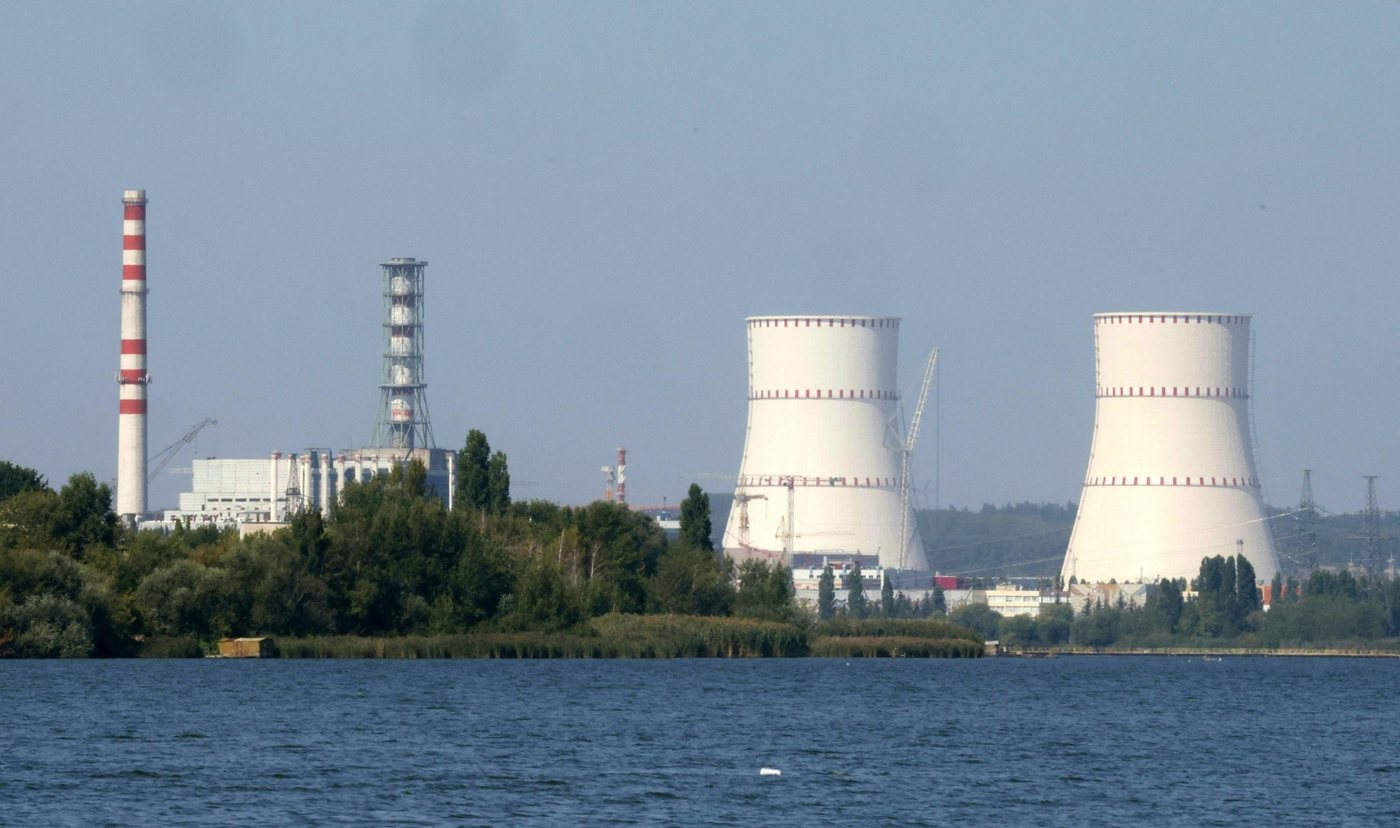
A drone struck a cooling tower at the Kursk nuclear power plant in western Russia, the International Atomic Energy Agency has confirmed, in an incident that has renewed international concern about the safety of nuclear facilities located near an active conflict zone.
The plant, situated near the town of Kurchatov in Russia's Kursk region, is one of the largest nuclear power stations in the country and lies close to areas affected by the war in Ukraine. The IAEA, the United Nations' nuclear watchdog, reported the strike on the cooling tower, a structure used to dissipate excess heat from the plant's reactors.
Cooling towers are a critical component of a nuclear power plant's thermal management system. While they do not contain radioactive material themselves, damage to cooling infrastructure can in principle affect a reactor's ability to manage heat safely. The IAEA has repeatedly warned that military activity near nuclear facilities poses a serious risk, and the agency has maintained a presence at several sites in the region to monitor safety conditions.
The strike is the latest in a series of incidents that have raised alarms about the vulnerability of nuclear installations during the war. Since the conflict began, the IAEA has documented attacks and disruptions at nuclear sites, most notably at the Zaporizhzhia plant in southeastern Ukraine, Europe's largest nuclear facility, which has repeatedly lost external power and seen its safety systems strained.
International nuclear safety officials have consistently called for restraint around nuclear infrastructure, arguing that even a strike that does not cause an immediate radiological release can erode the layers of protection designed to prevent a catastrophic accident. The principle of protecting nuclear facilities from military attack has been a central demand of the IAEA's leadership throughout the conflict.
The Kursk plant has been a point of particular attention because of its proximity to the front lines and to Ukrainian border regions. Fighting in the Kursk area has intensified at various points during the war, and the presence of a major nuclear installation in the vicinity has added a dimension of risk that extends beyond the immediate battlefield.
There was no immediate indication of a radiological release following the strike on the cooling tower. The IAEA's confirmation focused on the physical impact to the structure, and the agency has continued to urge both sides to avoid actions that could endanger nuclear safety.
The incident underscores a broader dilemma that has accompanied the war: the entanglement of civilian infrastructure, including energy and nuclear facilities, with military operations. For communities living near such sites, the threat is not only immediate but also psychological, as repeated alarms about nuclear safety feed uncertainty about the future.
Religious and humanitarian organizations have joined the calls for the protection of civilian infrastructure, framing the safeguarding of nuclear plants as a moral obligation that transcends political allegiances. The risk of a nuclear accident, however remote, carries consequences that would not respect borders or battle lines.
The IAEA is expected to continue monitoring the situation at the Kursk plant and to report on any further developments. The agency's role has become one of the few channels of technical communication remaining in a conflict where trust between the parties is virtually absent.
As the war continues, the safety of nuclear facilities remains one of the most consequential and least controllable dimensions of the conflict. The strike on the Kursk cooling tower is a reminder that the infrastructure of modern life, and the systems that keep it safe, can become entangled in violence with little warning.