Europe splits over migrant returns as Spain refuses Italy transfers
A new European migration row could leave Italy facing thousands of requests to take migrants back, while Spain has refused to join the countries preparing to send asylum seekers back to the country where they first entered the EU. Sweden has now confirmed that it intends to apply the new EU migration rules and return migrants to Italy when Rome is responsible for their asylum applications.
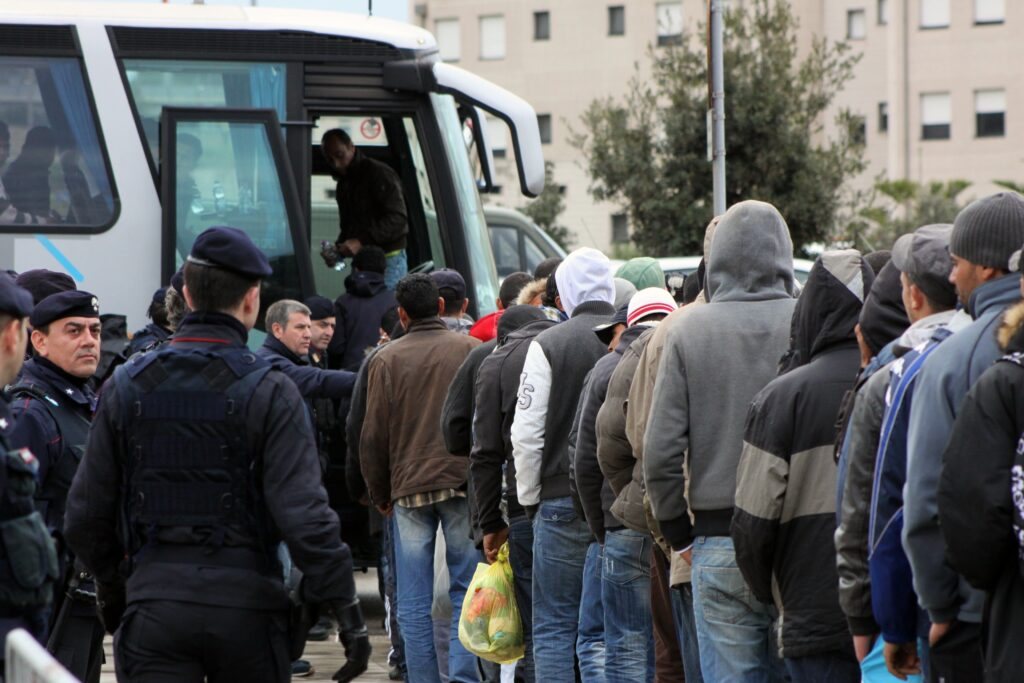
A fresh dispute over European migration policy is taking shape, with Italy potentially facing thousands of requests to take back asylum seekers who first entered the European Union through its territory. The friction follows the confirmation that Sweden intends to apply the bloc's new migration rules and return migrants to Italy when Rome is responsible for their asylum applications.
Spain, however, has declined to participate in the mechanism, refusing to join the countries preparing to send asylum seekers back to the state where they first set foot in the EU. The divergence highlights the growing fault lines among member states as they attempt to implement the reformed asylum system agreed upon in recent years.
The new EU migration framework, which was designed to distribute responsibility more evenly across the bloc, includes provisions for returning asylum seekers to the country of first entry. Under this system, Italy — long a primary landing point for migrants crossing the Mediterranean — could become the destination for significant numbers of transfers from other member states.
Sweden's announcement marks one of the first concrete confirmations that a northern European state intends to make full use of the mechanism. The Swedish position reflects a broader shift in the country's migration stance, which has grown more restrictive in recent years following a period of relatively open asylum policies.
Spain's refusal to take part adds another layer of complexity to the situation. Madrid has not publicly detailed the reasons for its decision, but the move signals that not all member states are prepared to implement the rules in the same way. The Spanish position could set a precedent for other countries that are hesitant about the return mechanism.
The dispute comes at a time when migration remains one of the most politically sensitive issues on the European agenda. Governments across the continent are under pressure from domestic audiences to manage arrivals effectively, while also facing legal and humanitarian obligations under EU and international law.
For Italy, the prospect of receiving large numbers of transfers raises practical and political challenges. The country has long argued that it bears a disproportionate burden as a frontline state and has called for more solidarity from other EU members. The new rules were partly intended to address such imbalances, but their implementation is now proving contentious.
The European Commission, which oversees the application of EU migration law, has not yet commented publicly on the emerging dispute. The situation is likely to be discussed at upcoming meetings of EU interior ministers, where the practical details of the return mechanism are expected to be a central topic.
The outcome of this standoff could shape the credibility of the EU's migration policy for years to come. If member states apply the rules unevenly, the entire framework risks being undermined. If, however, the mechanism is implemented consistently, it could mark a significant step toward a more predictable and shared approach to asylum across the continent.
58