India Removes 130 Million Voters From Electoral Rolls, Sparking Protests Against Modi
India's electoral commission has cut roughly 130 million names from the national voter roll, triggering protests in New Delhi and calls for the resignation of Chief Election Commissioner Gyanesh Kumar. More demonstrations are planned this week as opposition parties and civil society groups warn that the deletions could undermine the integrity of the world's largest democracy.
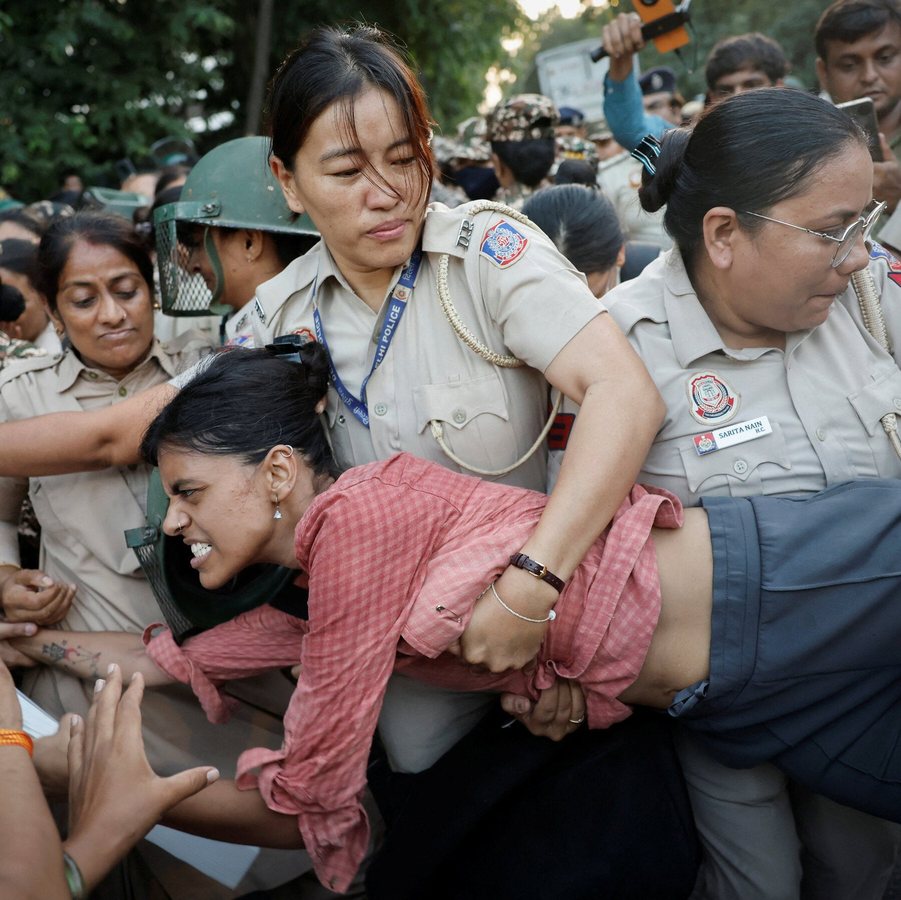
India's election authorities have removed approximately 130 million voters from the national electoral roll, a move that has ignited protests across the country and intensified scrutiny of Prime Minister Narendra Modi's government. Demonstrators gathered in New Delhi on Sunday to demand the resignation of Chief Election Commissioner Gyanesh Kumar, and organizers say further protests are planned for the coming week.
The scale of the deletions is unprecedented in modern Indian electoral history. With more than 900 million registered voters, India operates the largest democratic exercise in the world, and any large-scale alteration to the roll carries significant political consequences. Opposition parties and civil liberties groups argue that the removals could disenfranchise millions of eligible citizens, particularly in marginalized communities where documentation is often incomplete or outdated.
The protests in the capital reflect a broader anxiety about the independence of India's electoral institutions. The Election Commission of India is constitutionally mandated to conduct free and fair elections, and its decisions are meant to be insulated from political pressure. Critics contend that the scale and timing of the deletions raise questions about whether the commission is acting impartially or in coordination with the ruling Bharatiya Janata Party.
Sunday's demonstration in New Delhi was organized by a coalition of opposition parties, student groups, and civil society organizations. Protesters carried placards calling for Kumar's resignation and demanding a transparent review of the deletion process. Similar rallies have been reported in other major cities, including Mumbai, Kolkata, and Chennai, though attendance figures vary.
The government has defended the deletions as a routine exercise to remove deceased, duplicate, and ineligible entries from the voter roll. Officials argue that cleaning up the electoral register is necessary to prevent fraud and ensure the accuracy of future elections. However, the sheer number of removals — roughly equivalent to the entire population of Mexico — has overwhelmed the capacity of local election offices to process appeals and corrections in a timely manner.
Legal challenges are already underway. Several petitions have been filed in the Supreme Court of India seeking a stay on further deletions and requesting an independent audit of the process. The court has not yet issued a final ruling, but legal experts suggest that the case could become a landmark test of the judiciary's willingness to check executive and administrative power.
International observers are watching closely. India's status as the world's largest democracy gives its electoral integrity global significance, and any perceived erosion of democratic norms could affect its diplomatic standing and economic relationships. Human rights organizations have called for international monitors to be granted access to the review process, though the Indian government has historically resisted external oversight of its electoral affairs.
The political stakes are high for Modi's government. While the prime minister retains significant popular support, the voter roll controversy has provided a rallying point for a fragmented opposition. If the protests grow and the courts intervene, the episode could reshape the political landscape ahead of upcoming state and national elections.
For now, the immediate focus remains on the streets of New Delhi and the demand for accountability from the chief election commissioner. Whether the protests remain peaceful and whether the government offers concessions will determine the next phase of this unfolding democratic crisis.
5