European Leaders Meet in Finland as Arctic Warming Reshapes Strategic Priorities
European leaders gather in Finland to strengthen cooperation in the Arctic, where warming occurs three to four times faster than the global average and melting sea ice opens new maritime routes.
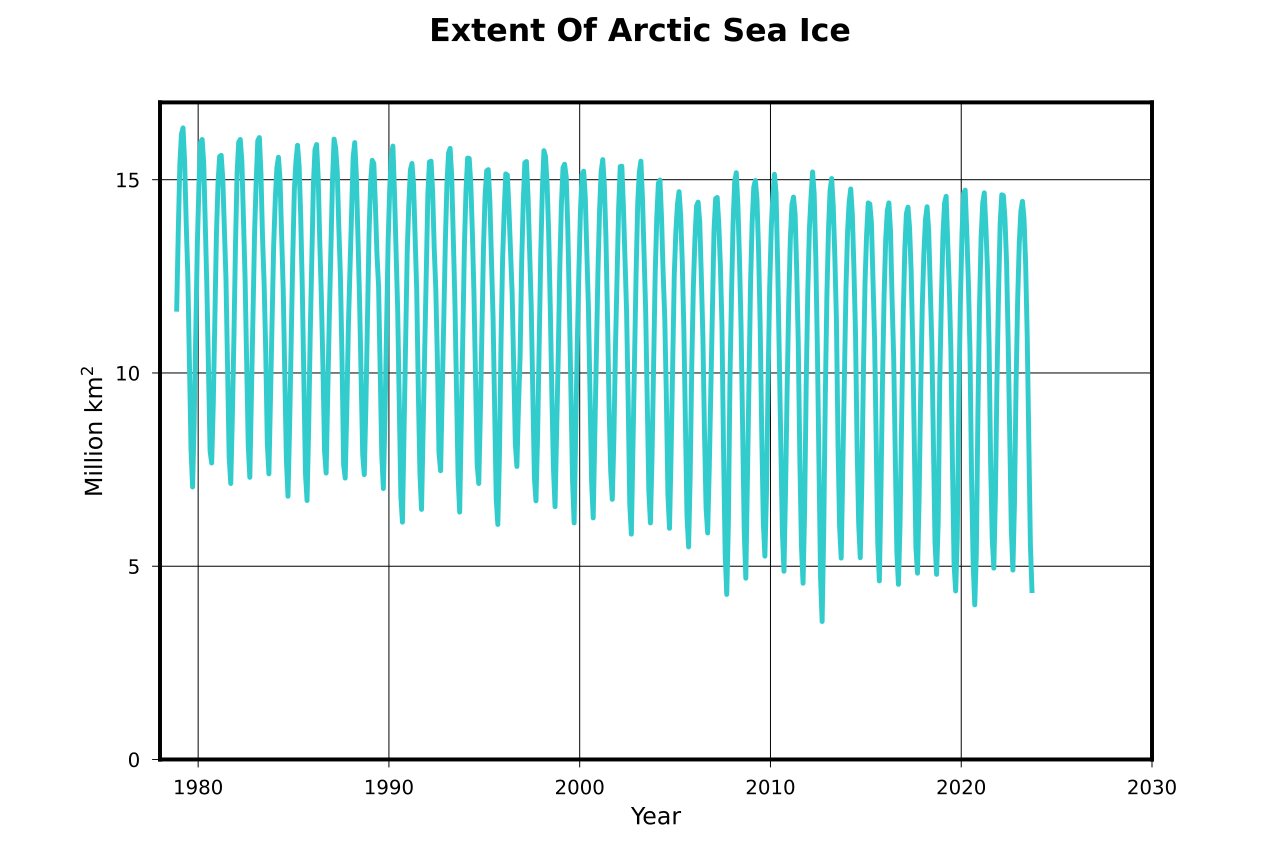
European leaders are meeting in Finland to strengthen their cooperation in the Arctic, a region warming three to four times faster than the rest of the planet and rapidly emerging as a major strategic priority for the continent.
The gathering, taking place on Sunday and Monday, reflects growing concern among European capitals that the accelerating loss of Arctic sea ice is redrawing the map of northern navigation and intensifying competition for influence, resources, and security in the High North.
At the center of the discussions is the opening of new maritime routes. As the ice retreats, shipping lanes that were once impassable for much of the year are becoming increasingly accessible, offering shorter connections between Europe, Asia, and North America. That shift carries significant commercial potential but also raises questions about environmental protection, search-and-rescue capacity, and the risk of rival powers seeking to control the emerging corridors.
The meeting in Finland signals that the European Union and its member states intend to move beyond declaratory statements and build a more coordinated Arctic policy. Cooperation among European countries is seen as essential to ensuring that the region does not become a zone of unregulated competition, where military activity, resource extraction, and shipping traffic outpace the ability of governments to manage them.
For Europe, the stakes extend well beyond navigation. The Arctic is home to vast reserves of minerals, oil, and gas, and its changing climate affects weather patterns, ecosystems, and the livelihoods of indigenous communities far to the south. The rapid warming also has consequences for global sea levels and for the stability of the climate system as a whole.
European leaders are expected to discuss how to balance economic opportunities with environmental responsibility, and how to strengthen the presence of European institutions in a region where other global powers have already sharpened their focus. The outcome of the talks could shape the continent's approach to the Arctic for years to come.
The meeting also underscores a broader recognition that climate change is no longer only an environmental issue but a geopolitical one. As the ice disappears, the Arctic is becoming a test case for how Europe manages the intersection of security, trade, science, and climate policy in a rapidly transforming world.