Iran Rejects Latest U.S. Ceasefire Proposal as Netanyahu Corruption Trial Resumes
A senior Iranian official calls Washington's latest response to a proposal to end the war insufficient and warns of attacks on regional data centers and undersea cables if fighting intensifies. In Jerusalem, Israel's former attorney general testifies in the corruption cases against Benjamin Netanyahu, whose political future hangs in the balance weeks before elections.
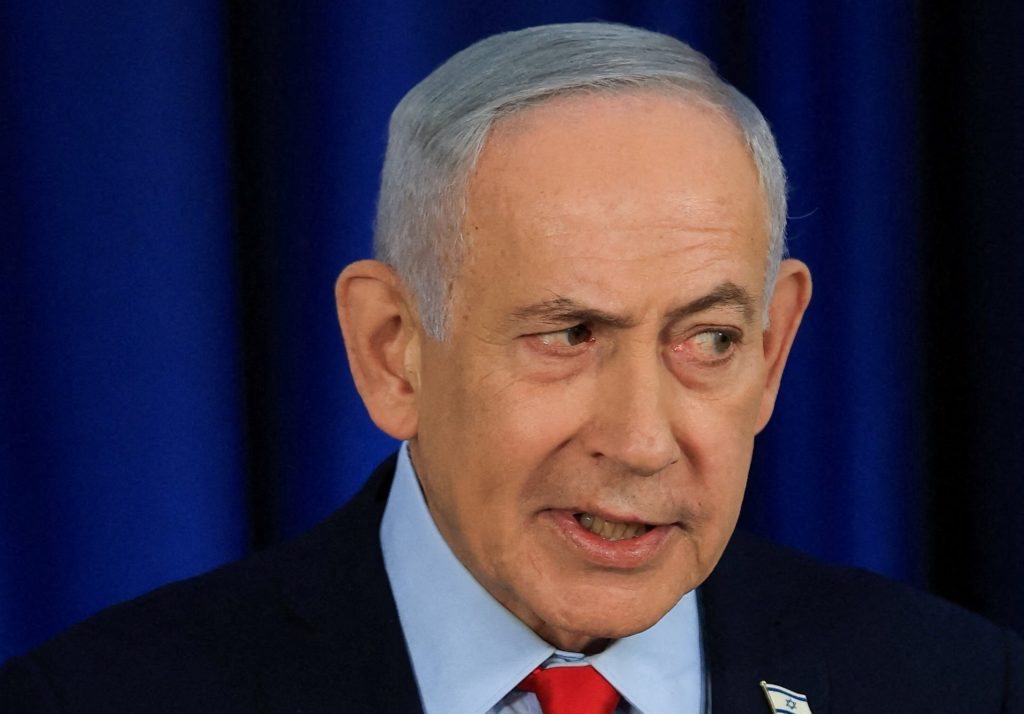
A senior Iranian official has described the latest United States response to a proposal aimed at ending the war as «insufficient», signaling that Tehran is not prepared to accept the current terms. The official also warned that regional data centers and undersea communications cables could become targets if fighting intensifies again, raising the prospect of a conflict that extends well beyond conventional military exchanges.
The warning carries particular weight because the infrastructure in question underpins internet traffic, financial transactions and government communications across the Middle East and beyond. An attack on such assets would not be confined to the parties directly involved in the war; it would disrupt economies and civilian networks far from the battlefield. The Iranian statement therefore adds a new dimension to the stalled negotiations, suggesting that any renewed escalation could carry costs that are difficult to contain.
Washington's proposal was presented as a path toward ending the war, but Tehran's assessment indicates that the gap between the two sides remains wide. The official did not specify which elements of the American response were found lacking, leaving open the question of whether the process can be revived through further diplomacy or whether it has reached a dead end for now. The exchange of proposals and counter-proposals has continued without producing a breakthrough, and the latest Iranian reaction suggests that the negotiating track remains fragile.
At the same time, Israel's former attorney general took the witness stand in the corruption cases against Benjamin Netanyahu, a development that places the prime minister's legal exposure alongside the broader regional crisis. The testimony comes as the political future of Israel's longest-serving prime minister hangs in the balance, with elections only weeks away. The court proceedings and the election calendar are now running in parallel, each capable of influencing the other.
The corruption cases have shadowed Netanyahu for years, and the resumption of testimony by a former attorney general gives the proceedings additional weight. The timing is significant: with voters due to cast ballots in a matter of weeks, the trial remains a central issue in the public debate over his leadership. The outcome of the cases could shape not only his personal fate but also the direction of Israeli politics at a moment of intense regional tension.
Taken together, the two developments illustrate how the war, the negotiations and Israel's domestic politics are intertwined. Iran's rejection of the American proposal keeps the diplomatic track uncertain, while the renewed testimony in Jerusalem keeps the question of Netanyahu's political survival open. Neither process appears close to resolution, and both carry consequences that extend beyond the immediate participants.
The coming weeks are likely to be decisive on both fronts. If the ceasefire effort remains stalled, the risk of renewed fighting — and of attacks on the region's digital and communications infrastructure — will persist. If the election campaign intensifies while the trial continues, Netanyahu's legal and political challenges will remain inseparable. For now, Tehran's assessment of the American proposal and the former attorney general's testimony stand as the two most recent markers of a region still waiting for clarity.
8