Iran says it continues consultations with mediators to prevent escalation with the United States
Iran has stated it is continuing consultations with mediators to prevent an escalation with the United States, as the Islamic Revolutionary Guard Corps claims to have struck multiple U.S. military targets in Jordan, Bahrain, and Kuwait.
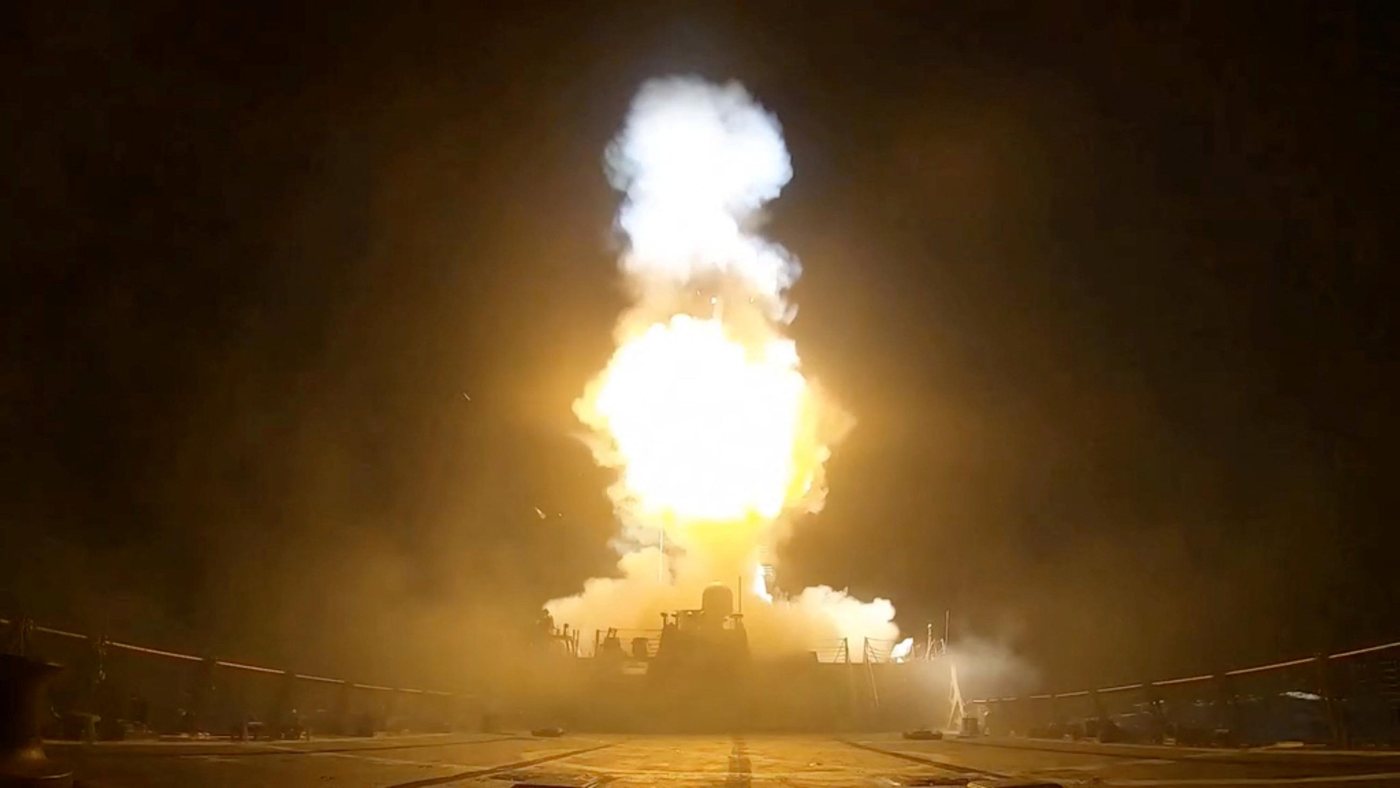
Iran has announced that it is continuing consultations with international mediators in an effort to prevent an escalation of hostilities with the United States, amid a series of retaliatory strikes and counterstrikes across the Middle East. The statement comes as the United States military confirmed it had conducted a new wave of airstrikes against dozens of targets in Iran, further intensifying the conflict that has been unfolding over recent days.
The Islamic Revolutionary Guard Corps, Iran's ideological military force, declared on Monday that it had carried out attacks on several U.S. military installations in the region. According to the IRGC, its forces struck the Prince Hassan air base in Jordan, the American drone command center in Bahrain, as well as the Ali al-Salem and Ahmad al-Jaber bases in Kuwait. These claims have not been independently verified, and U.S. officials have not yet commented on the extent of damage or casualties from these reported attacks.
The U.S. military, for its part, announced a new series of strikes against Iranian targets, describing them as a response to ongoing threats and provocations. The Pentagon stated that the strikes targeted dozens of sites associated with Iran's military capabilities, though specific locations and the full scope of the operation have not been disclosed. The escalation marks a significant deterioration in relations between Tehran and Washington, which have been at odds for decades but have recently seen a sharp increase in direct military exchanges.
Iran's foreign ministry emphasized that diplomatic channels remain open and that Tehran is actively engaging with mediators to de-escalate the situation. The mediators, whose identities have not been officially disclosed, are believed to include representatives from regional powers and international organizations that have historically played a role in Middle East diplomacy. Iran's statement stressed that the goal of these consultations is to prevent further escalation and to find a path toward reducing tensions.
The conflict has drawn in multiple countries across the region, with Iran's allies and proxies also reportedly involved in supporting operations. The IRGC's claims of strikes on bases in Jordan, Bahrain, and Kuwait highlight the geographic spread of the hostilities, which now extend beyond the borders of Iran and Israel. The United States maintains a significant military presence in the Gulf region, including naval forces, air bases, and drone facilities, making it a key target for Iranian retaliation.
The situation remains highly volatile, with both sides showing little sign of backing down. The United States has reiterated its commitment to defending its interests and allies in the region, while Iran has framed its actions as self-defense against what it describes as American aggression. The international community has called for restraint, but diplomatic efforts have so far failed to produce a ceasefire or a framework for negotiations.
The escalation comes against a backdrop of broader tensions in the Middle East, including the ongoing war between Israel and Hamas in Gaza, which has drawn in Iran-backed groups such as Hezbollah in Lebanon and the Houthis in Yemen. The United States has provided military support to Israel throughout that conflict, further straining relations with Iran. Analysts warn that the current cycle of strikes and counterstrikes could spiral into a wider regional war, with potentially catastrophic consequences for civilian populations and global stability.
Iran's latest statement appears to be an attempt to signal a willingness to engage in diplomacy, even as it continues to carry out military operations. However, the United States has expressed skepticism about Iran's intentions, pointing to the IRGC's claims of attacks on American bases as evidence that Tehran is not acting in good faith. The coming days are likely to be critical in determining whether the two sides can step back from the brink or whether the conflict will escalate further.
The United Nations and other international bodies have urged both parties to exercise maximum restraint and to prioritize the protection of civilians. Humanitarian organizations have warned that any further escalation could lead to a severe humanitarian crisis, particularly in Iran, where the economy has already been battered by years of sanctions and internal challenges. The situation remains fluid, with new developments expected as diplomatic consultations continue and military operations proceed.
69