Paris police chief warns of unrest ahead of France-Morocco World Cup quarterfinal
Paris police chief Patrice Faure has warned of possible clashes and unrest in the French capital on Thursday evening during the World Cup quarterfinal between France and Morocco, citing the risk of celebratory or rivalrous street gatherings despite a heavy security deployment.
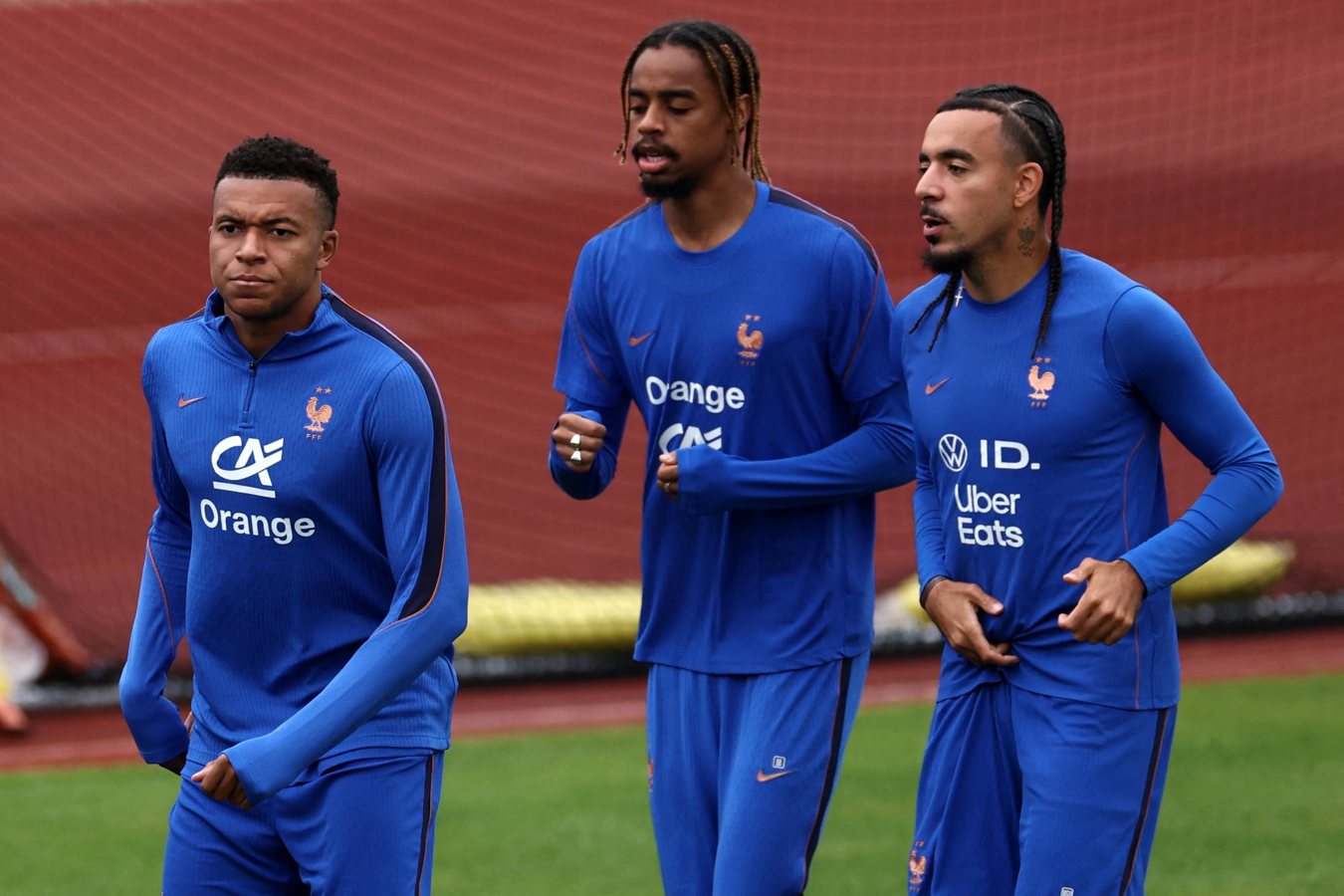
Paris police chief Patrice Faure has expressed concern over potential unrest in the French capital on Thursday evening, as the national team faces Morocco in a World Cup quarterfinal match. Speaking ahead of the highly anticipated fixture, Faure acknowledged that despite a significant police presence, it is impossible to prevent all incidents. «Je ne peux pas mettre un policier derrière chaque voiture», he said, anticipating possible «échauffourées» — scuffles or clashes — in the streets of Paris after the game.
The match, scheduled for 10 p.m. local time, pits France against Morocco in a rematch of their 2022 World Cup semifinal, which France won 2-0. This time, the stakes are equally high: a place in the semifinals of the 2026 tournament. The French team, which has had an undefeated run so far, faces a formidable Moroccan side known as the «Lions de l'Atlas», who have impressed with their defensive solidity and counterattacking prowess throughout the competition.
Faure's warning comes against a backdrop of heightened security concerns in Paris, where large crowds are expected to gather in fan zones, bars, and public squares to watch the match. The police chief noted that while authorities have prepared a robust security plan, the sheer number of people celebrating or reacting to the outcome makes it difficult to control every situation. He specifically cited the risk of confrontations between rival groups of supporters, as well as potential property damage, including to vehicles, which he referenced in his remarks.
The match carries particular symbolic weight given the large Moroccan diaspora in France, estimated at over one million people, many of whom are expected to support the Moroccan team. This dual allegiance has, in past matches between the two nations, led to both festive gatherings and occasional tensions. During the 2022 semifinal, celebrations by Moroccan fans in Paris and other French cities were largely peaceful but included some isolated incidents of vandalism and clashes with police, prompting authorities to deploy additional officers.
For Thursday's match, the Paris police prefecture has announced the deployment of several thousand officers, including riot police, around key gathering points such as the Champ de Mars fan zone, the Champs-Élysées, and neighborhoods with large North African communities. Public transport will also be reinforced, and some streets may be closed to traffic to facilitate crowd management. Faure urged fans to celebrate responsibly and avoid provocations, emphasizing that the police would intervene firmly if order is disrupted.
Beyond the immediate security concerns, the match highlights the broader cultural and sporting ties between France and Morocco. The two countries have a long history of football exchanges, with many French players of Moroccan descent, including several members of the current French squad. This connection adds an extra layer of emotion to the encounter, which is being watched closely not only in Europe but also across North Africa and the Middle East.
As kickoff approaches, authorities remain on high alert. The outcome of the game — whether a French victory, a Moroccan triumph, or a draw leading to extra time — is likely to trigger spontaneous street gatherings. Faure's candid acknowledgment of the risks reflects a pragmatic approach to public safety, balancing the right to celebrate with the need to prevent disorder. The coming hours will test whether the security measures in place are sufficient to keep the peace in a city that knows all too well the volatility of high-stakes football matches.
88