Pope Leo XIV on Lampedusa Urges Europe to Recover Its Soul, Says Migrants Are Not a Problem
Pope Leo XIV visited Lampedusa, where he called on Europe to rediscover its soul and stressed that migrants are not a problem but an opportunity for integration and solidarity.
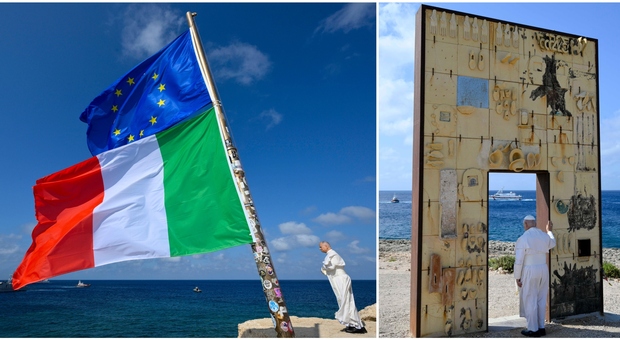
Pope Leo XIV visited the Italian island of Lampedusa on Thursday, delivering a powerful message urging Europe to recover its soul and emphasizing that migrants are not a problem but a call for solidarity and integration. The pontiff, whose white cassock was swept by the strong sirocco wind, arrived at the island's port to a warm welcome from local faithful and authorities.
During his visit, the Pope blessed a commemorative plaque at the Favaloro pier dedicated to his predecessor, Pope Francis, who made a historic trip to the same island in 2013 to highlight the plight of migrants. The gesture underscored the continuity of the Catholic Church's commitment to migration issues, a theme that has been central to both pontificates.
Speaking to the gathered crowd, Pope Leo XIV called on European nations to abandon what he described as a culture of indifference and fear. He argued that the arrival of migrants should not be framed as a crisis but as an opportunity for cultural enrichment and mutual growth. The Pope stressed that Europe must rediscover its founding values of hospitality and human dignity, which he said are essential to the continent's identity.
The visit to Lampedusa, a small island that has become a symbol of the Mediterranean migration route, was laden with symbolism. Thousands of migrants have landed on its shores over the past decade, often after perilous journeys across the sea. The island's residents have frequently been at the forefront of rescue and reception efforts, sometimes straining local resources.
Pope Leo XIV acknowledged the challenges faced by Lampedusa's community, thanking them for their generosity and resilience. He also called on European governments to adopt more humane and coordinated migration policies, moving beyond what he termed a security-focused approach. The Pope's remarks come amid ongoing debates in Italy and across the European Union about how to manage migration flows, with some governments pushing for stricter border controls.
The pontiff's visit was also marked by personal moments. His private secretary, Don Edgar, had to chase after the Pope's skullcap as it flew off in the wind, an image that quickly spread on social media and was seen as a lighthearted contrast to the serious themes of the day. Despite the wind, the Pope continued his itinerary, meeting with local clergy, volunteers, and representatives of migrant communities.
Local officials expressed gratitude for the Pope's presence, saying it brought international attention to the island's ongoing situation. The mayor of Lampedusa noted that the visit was a reminder that the island is not alone in facing the challenges of migration. The Pope's message, he said, resonated deeply with residents who have long called for greater solidarity from the rest of Europe.
The Catholic Church has consistently advocated for the rights of migrants and refugees under both Pope Francis and Pope Leo XIV. The visit to Lampedusa reaffirms the Vatican's position that migration is a humanitarian issue requiring compassion and global cooperation. Pope Leo XIV's speech also touched on the need for integration, warning that without it, societies risk fragmentation and social tensions.
Observers noted that the Pope's language was carefully calibrated to avoid direct confrontation with specific governments while still delivering a clear moral call. His emphasis on Europe's soul was interpreted as a broader critique of what he sees as a loss of ethical direction in the face of rising nationalism and xenophobia. The visit comes at a time when migration remains a politically divisive issue in many European countries.
In addition to the plaque blessing, the Pope held a private meeting with a group of migrants who had recently arrived on the island. Details of the conversation were not disclosed, but Vatican officials said it was an emotional encounter. The Pope also visited a local church dedicated to the patron saint of migrants, where he prayed for those who lost their lives at sea.
The trip to Lampedusa marks Pope Leo XIV's first major journey focused on migration since his election. It is seen as a signal that the Vatican intends to keep the issue high on its agenda. The Pope's itinerary also included a brief stop at a reception center for asylum seekers, where he spoke with staff and volunteers about their work.
As the Pope departed Lampedusa, he left behind a community that felt both honored and challenged by his words. The island's residents, who have often felt forgotten by the mainland, said the visit gave them renewed hope that their struggles are being recognized. Whether European leaders will heed the Pope's call remains to be seen, but his message was clear: Europe must rediscover its soul, or risk losing it altogether.
76