Russia Faces Another «Black August» as War Pressures Mount
Russia's history of August crises is repeating itself as fuel shortages, economic strain, and the Ukraine war converge, while Putin downplays the damage.
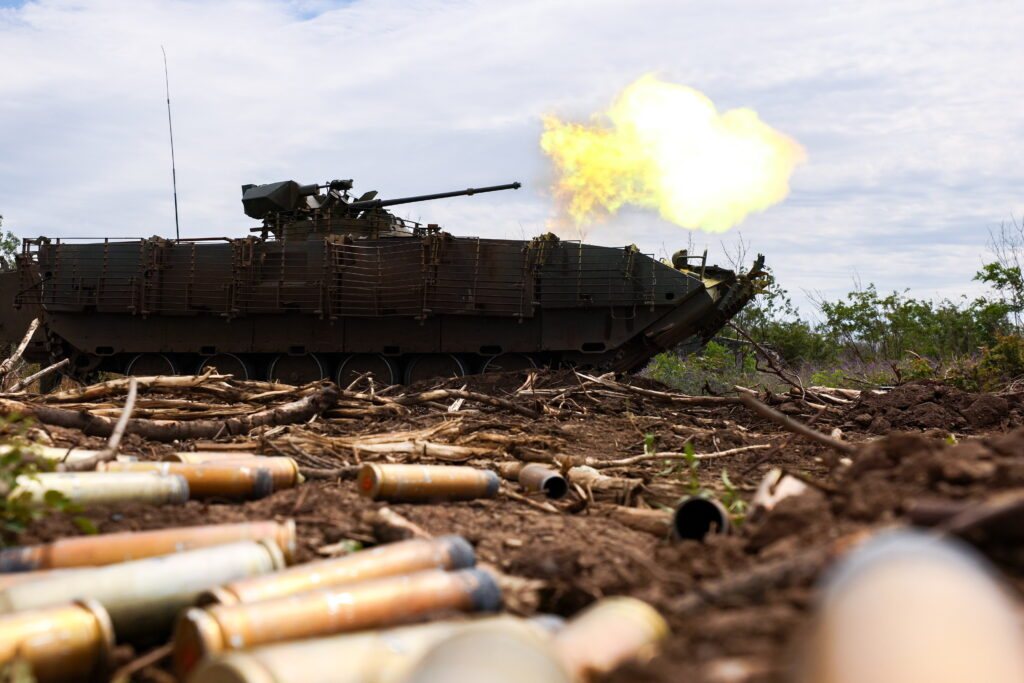
Russia is experiencing what many are calling another «Black August», a period historically marked by dramatic and often disastrous events. From the failed coup against Mikhail Gorbachev in 1991 to the financial collapse of 1998 and the start of the second Chechen war in 1999, the month has repeatedly brought turmoil. This year, the pattern appears to be holding, with fuel shortages, a weakening ruble, and the grinding war in Ukraine casting a shadow over the country.
The current crisis has been building for months. Russian troops have made only slow progress on the front lines in Ukraine, while Ukrainian attacks on oil refineries and distribution centers have disrupted supplies. Long queues at fuel pumps and rumors of a new wave of mobilization have added to public anxiety. The exiled Russian commentator Ilya Varlamov recently noted that while the historical pattern is «a coincidence, of course», many Russians approach August with unease, especially now that the country is genuinely in crisis.
Varlamov pointed to rising prices, a falling ruble, and upcoming elections as sources of concern. He also referenced a prominent Russian economist who warned that Moscow faces a «social crisis» and is losing the technological and economic competition globally, making it unlikely to win a war of attrition against a Western-backed Ukraine. Even the pro-Kremlin tabloid Moskovsky Komsomolets acknowledged the traditional August anxieties, though it turned to astrology for explanation, citing a lunar eclipse in front of Pluto as a potential trigger for social changes and internal unrest.
President Vladimir Putin, however, has projected his usual aura of confidence. In remarks on Wednesday about infrastructure projects, he acknowledged the economic damage caused by Ukrainian attacks on warehouses belonging to the e-commerce giant Wildberries, but downplayed their long-term impact. «It is obvious that these attacks will not have, do not cause and cannot bring critical consequences», he said, adding that the facilities would be rebuilt with government support.
The war is increasingly hitting Russians directly in their wallets, even as the Kremlin seeks to project normalcy. Meanwhile, Ukraine is also facing internal wartime pressures. This week, recently dismissed Defense Minister Mykhailo Fedorov called for elections during wartime, a move that presents a new political challenge for President Volodymyr Zelensky. Putin, who has repeatedly questioned Zelensky's legitimacy, may seek to exploit this development.
The contrast between the two countries is stark. Zelensky's five-year term was due to end in 2024, but elections were postponed under martial law imposed after Russia's full-scale invasion in 2022. Government reshuffles in Kyiv and significant anti-government protests show that civil society and democratic processes remain alive in Ukraine. The same cannot be said for Russia, where political opposition has been effectively crushed.
On Monday, a Russian court sentenced opposition politician Lev Shlosberg to 11 years in prison for opposing the war in Ukraine. The Supreme Court also barred his party, Yabloko, from appearing on the ballot in upcoming parliamentary elections. With internal dissent silenced and the economy under strain, the «Black August» tradition appears to be continuing, even as the Kremlin insists all is under control.
64