Slovakia and Russia Restore Military-Diplomatic Ties as Opposition Warns of Spying Risk
Slovakia has sent two military attachés to Moscow and received a Russian attaché in Bratislava, restoring diplomatic-military contacts with Russia. The pro-European opposition warns of potential espionage risks, while the government defends the move as standard diplomatic practice.
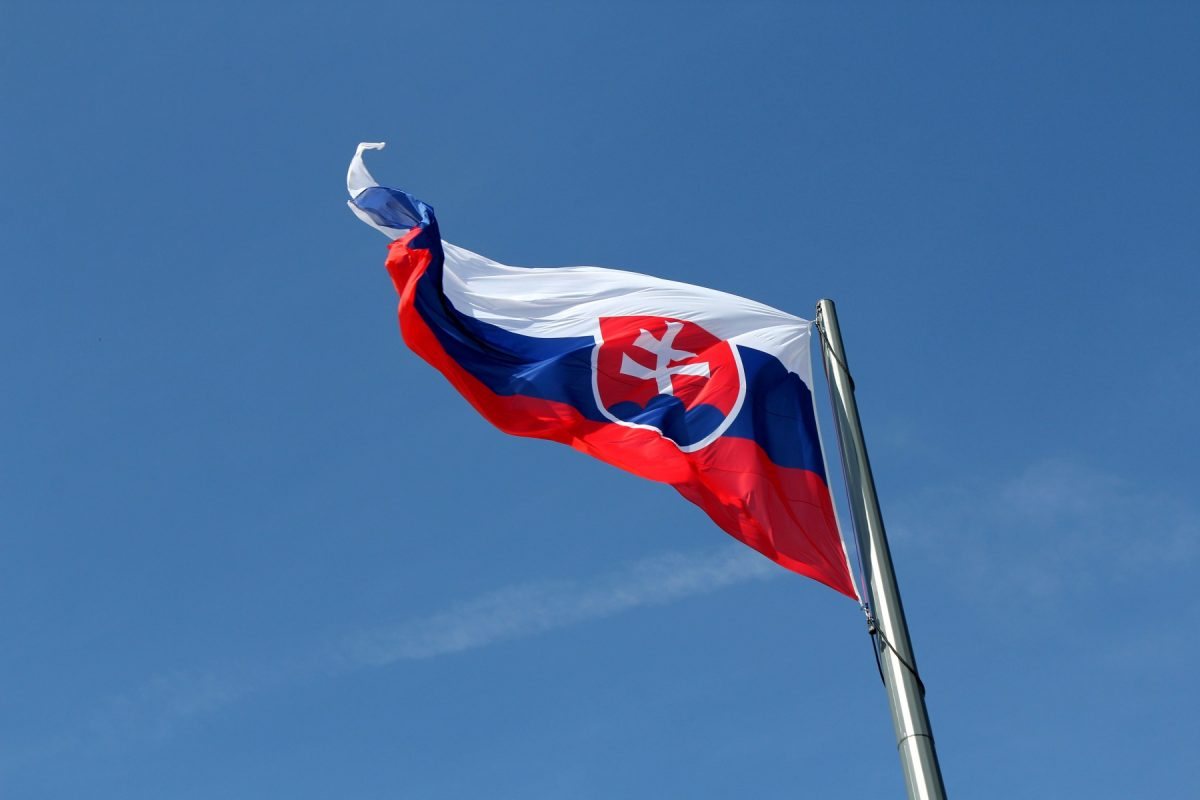
Slovakia and Russia have restored their diplomatic-military contacts, with Bratislava sending two military attachés to Moscow and accepting a Russian military attaché in return. The exchange, reported by the Czech online daily Ekonomicky Denik and carried by the Spanish news agency EFE, marks a significant step in re-establishing official channels between the two countries after a period of deep freeze in relations.
The move has drawn sharp criticism from Slovakia's pro-European opposition, which warns that the renewed contacts could open the door to Russian espionage activities on Slovak territory. Opposition figures argue that military attachés, while formally tasked with liaison and observation duties, can serve as cover for intelligence gathering, particularly in a country that is both a NATO member and an EU state.
The Slovak government has defended the decision as a routine diplomatic measure. Officials maintain that maintaining military-diplomatic representation is standard practice even with countries with which Slovakia has strained political relations, and that it serves to protect Slovak interests and maintain situational awareness. The government has not commented directly on the espionage allegations.
The restoration of contacts comes amid a broader debate within Slovakia about its foreign policy orientation. Since the current government took office, Bratislava has shifted its stance on several international issues, including military aid to Ukraine, and has sought to re-engage with Moscow on certain diplomatic levels. This has raised concerns among Slovakia's Western partners and within the domestic opposition about the country's commitment to its Euro-Atlantic commitments.
Military attachés are typically accredited to embassies and serve as official representatives of their country's armed forces. Their duties include liaising with the host country's military, observing military developments, and facilitating defense cooperation. While their role is legitimate, intelligence agencies often view them with suspicion, as the position can provide cover for espionage activities. The exchange of attachés between Slovakia and Russia is therefore being closely watched by NATO allies.
The opposition has called for greater transparency regarding the scope of the renewed contacts and the specific mandate of the Slovak attachés in Moscow. It has also urged the government to clarify what information the Russian attaché in Bratislava will have access to and how Slovakia will safeguard sensitive military and security information.
The development is part of a wider pattern in Central Europe, where some countries have sought to maintain or restore channels of communication with Russia despite the ongoing war in Ukraine and the resulting Western sanctions. Slovakia's move is likely to be discussed at upcoming EU and NATO meetings, where allies will seek assurances that such contacts do not undermine collective security.
For now, the exchange of military attachés represents a modest but symbolically significant step. It remains to be seen whether it will lead to broader diplomatic engagement or whether it will remain a limited technical arrangement. The opposition has vowed to keep pressing the issue, arguing that the risks of espionage and influence operations are too serious to be ignored.
2