US ends Arctic Report Card, opening strategic opportunity for Europe and Canada
The Trump administration has ended federal support for the Arctic Report Card, a key annual climate assessment produced by NOAA for two decades. The decision, announced on August 10, shifts scientific leadership in the region and creates a strategic opening for Europe and Canada.
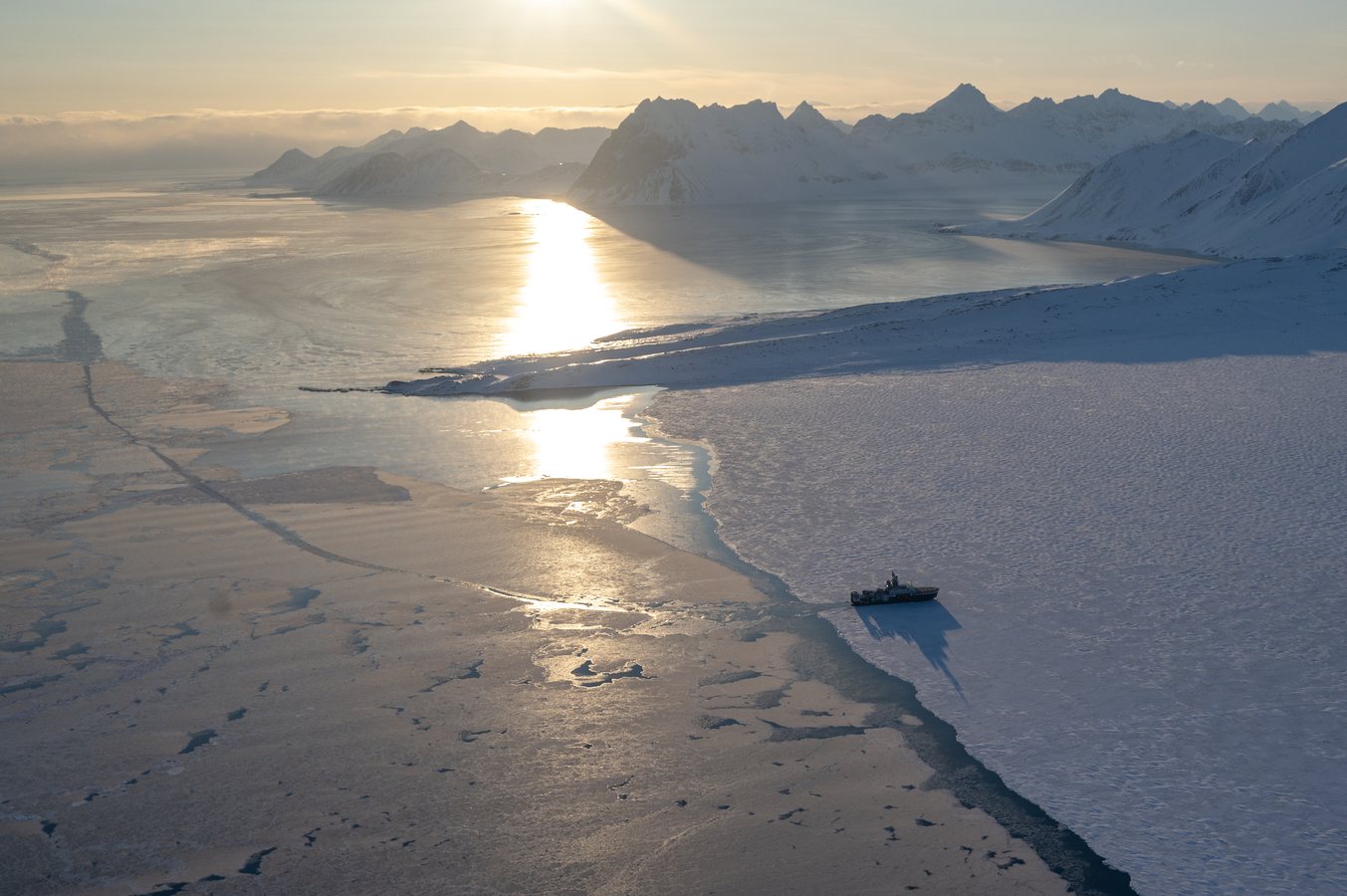
The Trump administration has ended federal support for the Arctic Report Card, the annual climate assessment that for two decades served as a cornerstone of scientific knowledge about the polar region. The National Oceanic and Atmospheric Administration (NOAA) announced on August 10 that it will no longer produce the respected report, which had collected and analyzed key data on the health and environmental changes of the Arctic as a whole.
More than 100 scientists and international organizations had contributed information to NOAA for the report, ranging from measurements of ice cover to sea depth and weather patterns. This collaboration extended the United States' situational awareness and scientific leadership in the Arctic. The administration now says that someone else must take the lead, according to researcher Sharon Hudson-Dean writing on the website of the prominent think tank Chatham House.
The decision comes at a time when the Arctic is undergoing rapid transformation due to melting ice, opening new shipping routes and access to natural resources. These changes are reshaping the balance of power in the region, with implications for global trade, security, and environmental policy.
For Europe and Canada, the withdrawal of US federal support for Arctic climate monitoring represents a strategic opportunity. Both have strong interests in the region and the scientific capacity to fill the gap left by the United States. The Arctic is not only an environmental concern but also a geopolitical arena where influence is measured by presence, research, and cooperation.
The Arctic Report Card had been a unique tool, bringing together data from multiple nations and disciplines into a single authoritative assessment. Its discontinuation leaves a void in coordinated international monitoring efforts. Scientists and policymakers in Europe and Canada may now need to consider how to sustain this kind of collaborative knowledge production without US federal backing.
The move also raises questions about the future of US engagement in Arctic governance. The region has traditionally been managed through frameworks like the Arctic Council, where scientific cooperation has been a foundation of diplomatic relations. A reduced US role could shift the center of gravity toward other Arctic states, particularly those in Europe and North America that share borders with the polar region.
For Canada, which has the longest Arctic coastline of any nation, the stakes are particularly high. For European countries, the Arctic is increasingly relevant to security, energy, and climate policy. The opportunity to assume greater leadership in Arctic science may also come with responsibilities, including sustained funding for monitoring programs and international coordination.
The decision by the Trump administration is part of a broader pattern of reducing federal support for climate research. However, the Arctic Report Card had a distinctive role due to its longevity and the breadth of its data. Its absence will be felt not only in scientific circles but also in policy discussions about the future of the region.
As the ice continues to melt and new possibilities emerge, the question of who leads Arctic research becomes more pressing. Europe and Canada now have a chance to step forward, but whether they will seize it remains to be seen.
57