US launches fresh strikes on Iran as Trump threatens further escalation
The United States has launched a new wave of military strikes against Iran, with President Donald Trump describing the action as retribution for attacks on ships in the Strait of Hormuz and warning that the operation could intensify.
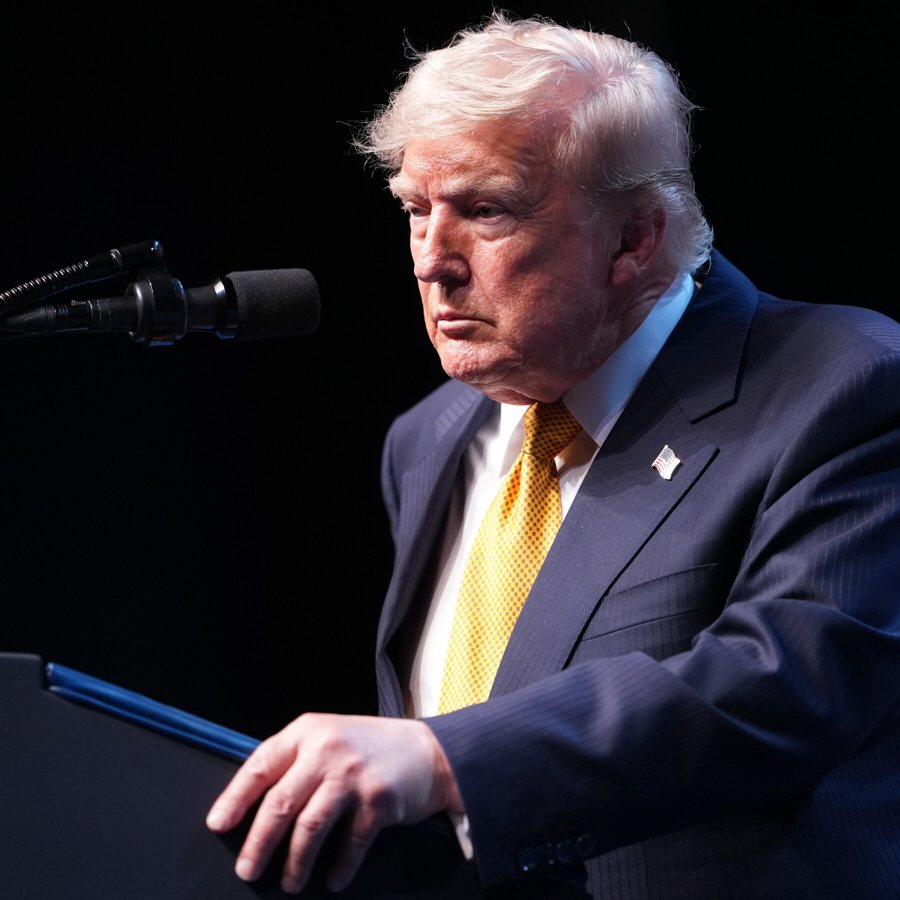
The United States military carried out a fresh wave of strikes against Iran on Wednesday, hours after President Donald Trump declared a three-week-old ceasefire «over» and warned that the operation could «get much worse». The strikes, described by U.S. Central Command as necessary to protect shipping in the strategic Strait of Hormuz, mark a significant escalation in the ongoing confrontation between Washington and Tehran.
President Trump, speaking at the NATO summit in Ankara, Turkey, said the new strikes were «retribution» for Iranian attacks on vessels in the Strait of Hormuz, a vital waterway through which about a fifth of the world's oil passes. He added that dealing with Iran had become a «waste of time» and that the United States would not hesitate to increase the intensity of its military campaign if Tehran continued its provocations.
An unnamed U.S. official told Reuters that Wednesday's strikes were expected to be greater in number than those carried out on Tuesday, suggesting a deliberate ramp-up of pressure on the Iranian government. The official did not provide specific details on targets or the scale of the operation, but the Pentagon later confirmed that the strikes were aimed at degrading Iran's ability to threaten maritime security in the region.
The escalation has deepened anxiety among ordinary Iranians, many of whom are already struggling with a severe economic crisis and decades of sanctions. Sahar, a 34-year-old teacher in Tehran who spoke on condition of anonymity for fear of reprisals, described the daily fear that now grips the capital. «Every night we remain alert, in fear, and charge our phones, keep our packed bags near the doors, and sleep lightly because we do not know when we will have to rush and leave the house,» she said. «People here are tired and fed up; we want peace, dignity, and a normal life, not another unending war decided over our heads.»
Meena, a 29-year-old graphic designer, said the fresh strikes have deepened a sense of uncertainty among young Iranians who have grown up with sanctions, protests, internet shutdowns, and now missiles. «My generation has grown up with sanctions, protests, internet shutdowns, and now missiles,» she said. «We are not statistics. We are people trying to work, study, love, and plan a future, but every crisis pushes that future further away.»
The latest U.S. military action follows a series of attacks on commercial and military vessels in the Strait of Hormuz, which Iran has been accused of orchestrating. The strait is a critical chokepoint for global energy supplies, and any disruption there can have immediate effects on world oil prices and economic stability. The United States and its allies have long maintained a naval presence in the region to ensure freedom of navigation, but the recent escalation has raised fears of a broader conflict.
President Trump's declaration that the ceasefire was «over» effectively ended a brief period of relative calm that had followed three weeks of intense U.S.-Iranian hostilities. The ceasefire, which was never formally signed but had been observed by both sides, had raised hopes of a diplomatic resolution to the crisis. However, the attacks on ships in the Strait of Hormuz appear to have shattered that fragile truce.
The NATO summit in Ankara, where Trump made his remarks, has taken on added significance as alliance members grapple with the implications of a widening conflict in the Middle East. While NATO has not directly intervened in the U.S.-Iran confrontation, several member states have expressed concern about the potential for the fighting to spill over into neighboring countries and disrupt global energy markets.
Iranian state media reported explosions in several locations across the country following the latest U.S. strikes, though they did not provide details on casualties or damage. The Iranian government has not yet issued an official response to the new attacks, but its previous statements have warned of severe retaliation against any U.S. military action.
The humanitarian toll of the conflict is already mounting. International aid organizations have reported increasing numbers of civilians displaced by the fighting, and hospitals in affected areas are struggling to cope with the influx of wounded. The United Nations has called for an immediate de-escalation and a return to diplomatic negotiations, but so far neither Washington nor Tehran has shown willingness to back down.
Analysts say the situation remains highly volatile, with both sides locked in a cycle of attack and retaliation that could easily spiral out of control. The United States has made clear that it will continue to use military force to protect its interests and allies in the region, while Iran has signaled that it will not bow to pressure. For ordinary Iranians, the prospect of a prolonged conflict is a source of deep despair, as they watch their hopes for a better future recede with each new round of strikes.
97