US Plans Major Troop Reduction in Europe, Romania Sees Strategic Opening
The Trump administration is preparing to cut up to 40,000 American troops from Europe, prompting questions about NATO's eastern flank. Former Romanian presidential adviser Cristian Diaconescu says Bucharest could benefit if it positions itself as a reliable security provider.
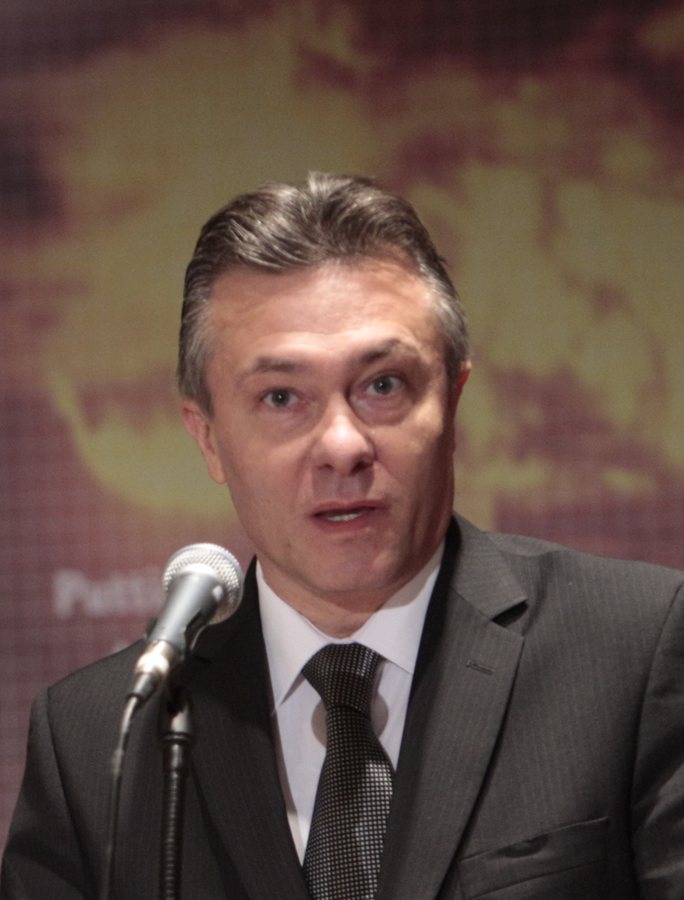
The United States is preparing to significantly reduce its military presence in Europe, with plans to withdraw as many as 40,000 troops from the continent, according to reports in the American press. The move, attributed to the Trump administration, would mark one of the largest drawdowns of US forces in Europe since the end of the Cold War and has raised concerns across NATO's eastern flank about the future of deterrence along the alliance's border with Russia.
In Romania, a country that hosts a US ballistic missile defense site at Deveselu and a military base at Mihail Kogălniceanu, the prospect of a reduced American footprint has prompted debate about how Bucharest should respond. Cristian Diaconescu, a former presidential adviser and foreign minister, argued that the situation also presents an opportunity if Romania acts strategically.
Diaconescu said that what would matter most in the eyes of Washington is Romania's willingness to invest in its own defense and to act as a dependable security partner in the Black Sea region. He suggested that countries that demonstrate they are taking greater responsibility for their own security are more likely to retain American support, even as overall troop numbers decline.
The planned reduction is part of a broader reconfiguration of US military posture, reflecting a shift in priorities toward other theaters and a long-standing demand from successive American administrations that European allies shoulder more of the burden for their own defense. NATO members have repeatedly pledged to increase defense spending, though progress has been uneven.
For Romania, which shares a long border with Ukraine and has been a staunch supporter of Kyiv since Russia's full-scale invasion, the stakes are particularly high. The Black Sea has become a strategically vital area, and any reduction in US forces could alter the balance of power in the region. Romanian officials have consistently emphasized the importance of the transatlantic relationship and the need for a continued American presence.
Diaconescu's comments suggest that Bucharest should focus on practical measures: increasing defense budgets, modernizing its armed forces, and deepening cooperation with other regional allies. Such steps, he indicated, would strengthen Romania's position in discussions with Washington and could help offset the impact of a broader drawdown.
The reduction is not yet finalized, and details about which units or bases would be affected remain unclear. The Pentagon has not publicly confirmed specific numbers, and any major shift would likely be phased in over time. Still, the signal from Washington is clear: Europe will need to take on a larger share of its own defense.
For NATO's eastern flank, the announcement has revived debates about strategic autonomy and the reliability of American commitments. Countries such as Poland and the Baltic states have already begun significant military buildups. Romania, with its strategic location and existing infrastructure, could play a central role in a reconfigured allied posture — but only if it is seen as a contributor rather than a dependent.
Analysts note that the US has long encouraged allies to specialize and to provide niche capabilities that complement American strengths. Romania's location, its Black Sea access, and its experience with hosting allied forces make it a potentially valuable partner. Whether that translates into maintained or increased American engagement will depend on political decisions in both capitals.
As the drawdown plans move forward, Romania's challenge will be to demonstrate that it is not merely a consumer of security but a producer of it. That, Diaconescu argued, is what will count most in Washington's calculations.