US Quietly Negotiates Migrant Deportation Deals with African States
A six-month investigation by RFI and 24 international media outlets reveals how the Trump administration uses funding, visas, trade, and diplomatic support to pressure African nations into accepting expelled migrants, turning deportation cooperation into a bargaining chip.
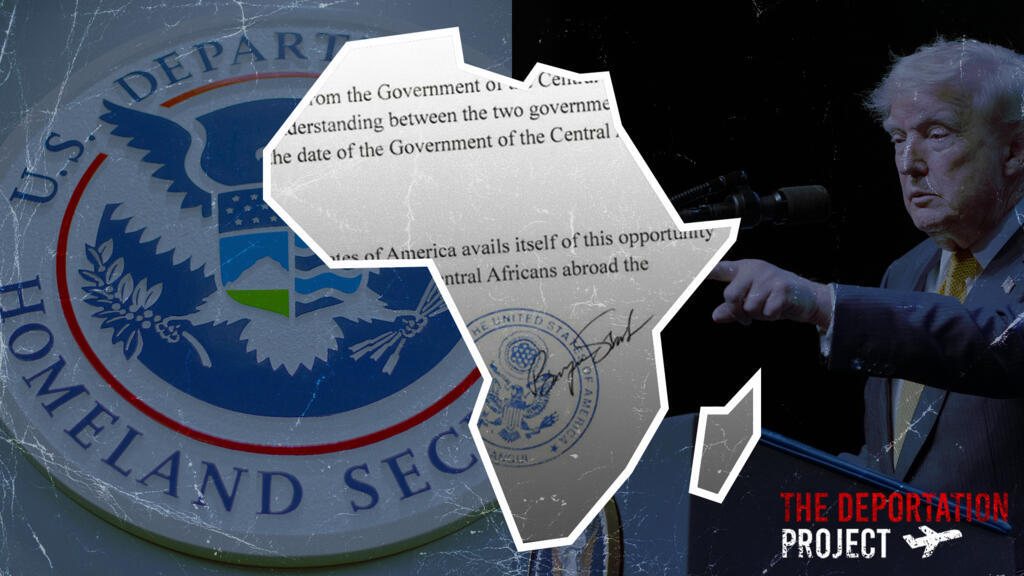
The Trump administration has developed a new instrument for removing foreigners from the United States: expelling them to third countries, particularly in Africa. To secure the cooperation of these nations, Washington is negotiating behind the scenes, leveraging the full arsenal of its power — financing, visas, trade, aid, and diplomatic support — in what lawyers, diplomats, and human rights organizations describe as an opaque bargaining process.
A six-month investigation by RFI, conducted as part of a consortium of 24 international media outlets coordinated by Forbidden Stories, has uncovered the mechanics of this arrangement. Internal documents, chronologies, and testimonies trace the negotiations, which also involve international organizations. The central question the investigation addresses is why these countries agree to receive deportees and what they obtain in return. The findings point to a give-and-take diplomacy in which accepting expelled migrants becomes a «currency of exchange».
According to the investigation, the administration has turned to third-country deportations as a way to distance ever more foreigners from US territory. Rather than relying solely on traditional removal channels, Washington has approached governments in Africa and elsewhere, offering incentives that range from development funding and preferential visa treatment to trade concessions and diplomatic backing. In exchange, those governments agree to accept individuals who have no connection to their countries.
The negotiations have been conducted with little public scrutiny. The consortium's reporting, based on internal documents and interviews with lawyers, diplomats, and rights advocates, suggests that the deals are often informal and lack transparency. Critics argue that this approach effectively outsources migration control to countries with fewer resources and weaker legal protections for migrants, raising serious questions about the rights of those expelled.
The investigation also highlights the involvement of international organizations, though their exact role remains unclear. Some observers suggest that these organizations may be used to lend legitimacy to arrangements that would otherwise face legal and political challenges. The lack of public documentation makes it difficult to assess the full scope of the program or the number of people affected.
For the African states involved, the incentives are significant. US funding, visa access, and diplomatic support can be valuable, particularly for governments seeking international recognition or economic assistance. However, accepting deportees carries domestic political risks, and some officials have reportedly expressed discomfort with the arrangements. The investigation indicates that negotiations are ongoing and that more countries could be drawn into the system.
Human rights groups have condemned the practice, warning that it exposes vulnerable people to detention, abuse, or refoulement in countries where they have no legal standing. Lawyers quoted in the investigation describe the process as a «bargain» in which the fate of migrants is traded for diplomatic and financial gains. The consortium's findings add to growing concerns about the direction of US immigration policy and its impact on global migration patterns.
The Trump administration has not publicly detailed the agreements, and requests for comment have gone unanswered. The investigation underscores how migration control is increasingly conducted through quiet bilateral deals rather than open legislative or judicial processes. For now, the full extent of these arrangements remains hidden from public view, leaving migrants and their advocates to navigate a system shaped by opaque negotiations.
3