Andy Burnham becomes UK prime minister after Labour coup ousts Starmer
Andy Burnham has become the new UK prime minister after a Labour Party coup removed Keir Starmer, raising questions about his mandate and the viability of his policy agenda.
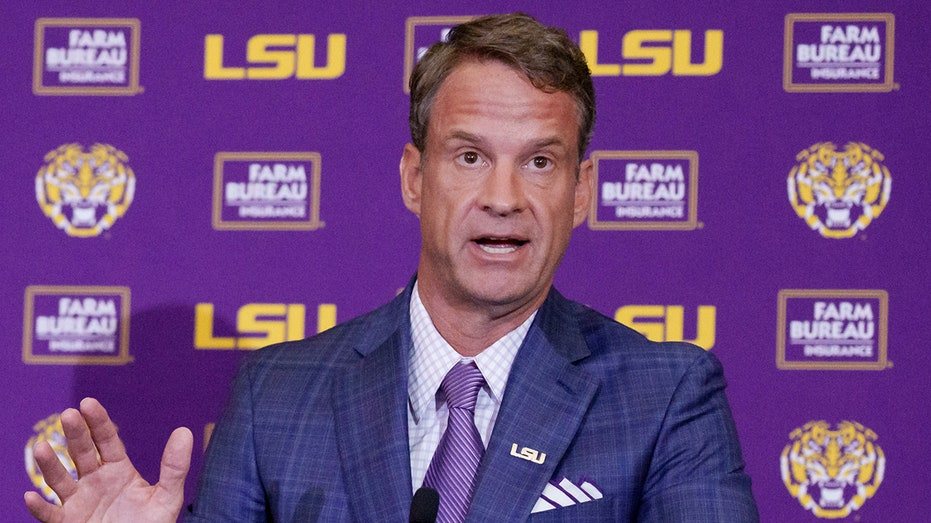
Andy Burnham has become the new UK prime minister after a brutal internal Labour Party coup ousted Keir Starmer, who was deemed unelectable by his own party. Burnham, known as the "King of the North," was anointed after a swift and ruthless political maneuver engineered by a small group of Labour technocrats and supported by anxious backbenchers. The transition, which saw Burnham kiss the hands of King Charles III at Buckingham Palace, has sparked debate about whether he holds a genuine mandate to govern, having not won a general election.
Burnham's rise comes amid ongoing leadership churn in UK politics, where issues of democratic principle have been sidelined in favor of presentability and charisma. He is widely seen as a politician who can inspire hope among both party members and a disenchanted electorate—a quality that Starmer lacked. Burnham's ability to project optimism and his background as a Northerner and football fan have made him a refreshing figure for a Labour Party desperate for a credible leader.
However, critics argue that Burnham's policy program is vague and unworkable. In his first speech outside 10 Downing Street, he promised to "make this the moment we bring back hope," "make politics work better," and "build a national sense of unity." He also pledged to "bring forward the biggest changes in the last 40 years" and to end rough sleeping, a goal he failed to achieve as mayor of Manchester. His agenda includes nationalizing water, power, housing, and transport, as well as re-industrializing the North of England, but many view these promises as nostalgic and impractical.
Burnham's political strategy relies heavily on devolution of power to local councils and a "new economic model," but his lack of historical insight into the economic and political changes that have reshaped Britain over the past four decades has raised concerns. His speech to Labour Party faithful was filled with feel-good platitudes but lacked concrete details on how he intends to address the country's acute decline, including the cost-of-living crisis and crumbling public services.
The manner of Burnham's ascension—without a popular vote—has also drawn criticism. He was installed by a faction that had previously expelled Jeremy Corbyn from the party and made Starmer prime minister. This has led to questions about the legitimacy of his leadership and whether he can unify a deeply fractured Labour Party. Factional squabbling over appointments has already begun, suggesting that the party's internal divisions remain unresolved.
Burnham's hope-drenched rhetoric may not be enough to sustain him in office. As Starmer discovered, an increasingly cynical electorate quickly turns against leaders who fail to deliver on their promises. With five UK prime ministers having lost office in the last decade, Burnham faces a daunting challenge. His ability to avoid their fate will depend on whether he can translate his optimistic vision into tangible results—a task that appears increasingly difficult given the scale of Britain's economic and political crises.
81