Bill Maher Criticizes California’s High Tax Burden on Businesses
Comedian Bill Maher blasted California's high tax burden on businesses during his podcast, comparing the state's tax rate unfavorably to a drug dealer's cut.
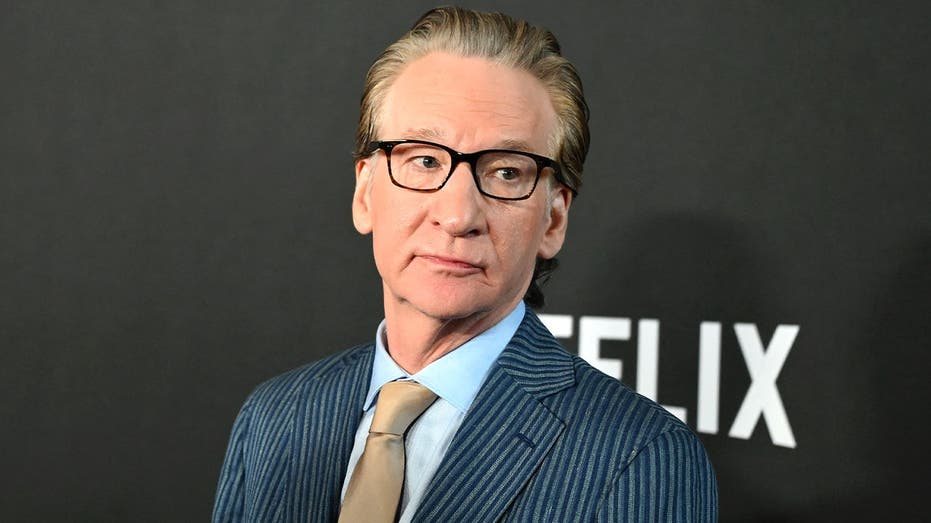
Comedian Bill Maher has sharply criticized California’s tax policies, arguing that the state’s high tax burden makes it nearly impossible for businesses to thrive. During the Monday episode of his podcast «Club Random,» Maher compared the state’s tax rate to the cut taken by a drug dealer, saying that even a «skeezy» dealer would not take as large a share as the government does.
«It’s almost impossible to make a business work in California like that,» Maher said. «I mean, just the state takes like 40% taxes. F---, you know, when I bought drugs from a skeezy dealer, he didn’t skim 40%.” He went on to joke that even when he sold marijuana in the past, he never took as big a cut as California does through taxes. «Like I would buy a pound, which is 16 ounces, and make 17 ounces out of it. That’s not 40%, but the government is worse than the dealer,» he added.
Maher’s comments come amid ongoing debates over tax policy in California, which has one of the highest corporate tax rates in the United States. The state’s corporate tax rate stands at 8.84% for most businesses, though this does not account for the federal corporate tax rate of 21% for class C corporations, as well as payroll taxes and other fees. Combined, these levies can significantly increase the overall tax burden on businesses operating in the state.
Maher’s guest on the podcast, actor and comedian Jack Whitehall, responded by joking that California’s steep taxes leave business owners «forced to diversify» into ventures like gardening businesses and tea rooms just to stay afloat. The exchange highlights a broader concern among some business owners and residents about the cost of living and doing business in California, which has seen a net outflow of residents to other states in recent years.
This is not the first time Maher has spoken out about taxation. Earlier this year, he criticized Senator Bernie Sanders and other democratic socialists for claiming that the rich do not pay their fair share of taxes. «Last week was tax day … I paid to the government, if you add in state tax, local, sales, property, fees [and] Obamacare, probably almost 60% of what I earn. That’s a lot, and I still wouldn’t mind if Bernie Sanders would stop saying the rich don’t pay taxes,» Maher said during a «New Rule» segment in April. He added, «And while I’m sure the super-rich, with their army of accountants and corporate loopholes, get away with murder, us regular rich people pay a s--- ton of taxes.»
In 2021, Maher also called out Representative Alexandria Ocasio-Cortez for wearing a «Tax the Rich» dress at the Met Gala. He argued that while income inequality is a serious issue, it is misleading to claim that the wealthy pay no taxes. «It’s not like we don’t tax the rich at all,» Maher said. «I’m all for ending income inequality, but let’s not lie. The rich pay a lot of the taxes.» He acknowledged the need for reforms to address crony capitalism but insisted that the narrative that the rich pay nothing is false.
California’s tax burden has been a contentious issue for years, with critics arguing that high taxes drive businesses and residents to lower-tax states like Texas and Florida. According to data from the Tax Foundation, California has the highest state income tax rate in the country, with a top marginal rate of 13.3%. The state also has high sales taxes and property taxes, contributing to its reputation as one of the most expensive states to live and work in.
Proponents of California’s tax policies argue that the revenue is necessary to fund public services, including education, healthcare, and infrastructure. They point to the state’s strong economy and large budget surplus as evidence that the tax system is working. However, critics counter that the high cost of living and doing business is driving away middle-class families and small businesses, exacerbating inequality and housing affordability issues.
Maher’s remarks have sparked discussion on social media, with some users agreeing that taxes are too high and others defending the state’s progressive tax system. The comedian’s comments also reflect a broader national debate about tax fairness and the role of government in redistributing wealth. As the 2024 election cycle approaches, tax policy is likely to remain a key issue for voters in California and across the country.
94