Opposition led by Eisenkot leads Netanyahu bloc in Israeli exit polls without majority
Exit polls after Israel's parliamentary elections give the opposition bloc led by Gadi Eisenkot a slight lead over the coalition of Prime Minister Benjamin Netanyahu, but neither side appears to reach the 61 seats needed for a majority.
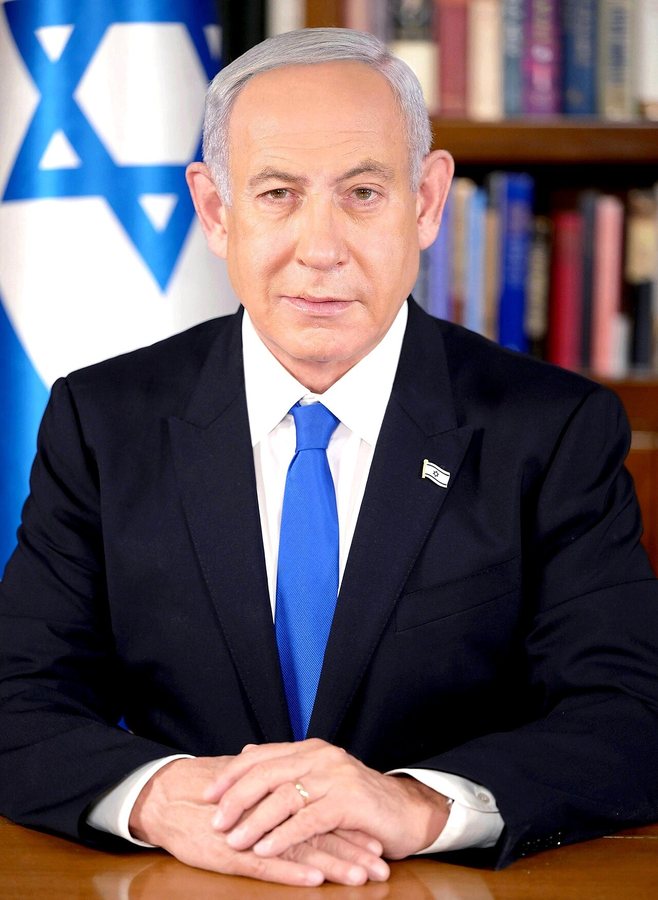
An opposition bloc led by the centrist Gadi Eisenkot appears to have edged ahead of the coalition of Prime Minister Benjamin Netanyahu in Israel's parliamentary elections, according to exit polls, but without securing a majority. The so-called "bloc of change" is projected to win between 52 and 53 of the 120 seats in the Knesset, while the outgoing governing coalition is estimated at 50 seats. These are first tendencies drawn from surveys conducted as voters left polling stations, not official results.
The early figures point to a closely divided result that could make forming a government difficult. A majority in the Knesset requires 61 seats, a threshold that neither camp appears to meet on the basis of these projections. Whether either side can assemble a governing majority will depend on the official count and on the bargaining that follows it, with smaller parties likely to hold considerable leverage.
Eisenkot, a former military chief of staff who has positioned himself as a centrist alternative to Netanyahu, described the early estimates as a "complete" repudiation of the prime minister. Netanyahu, who has led the country for much of the past two decades, is seeking to hold on to power in a vote that has been widely framed as a test of his political survival. The exit polls, which were broadcast as voting ended, showed the outgoing prime minister's camp falling short of the seats it would need to continue governing on its own.
The election is the first national vote in Israel since the Hamas attacks of October 7, 2023, which triggered the war in Gaza and reshaped the country's political debate. Security, the fate of the hostages and the conduct of the war have dominated the campaign, alongside long-running disputes over the judiciary and the place of religion in public life. Much of the coverage has described the vote as a referendum on Netanyahu's leadership during and after that period.
Because the bloc of change falls short of a majority on its own, its leaders would need to attract additional support to form a government, and the final composition of the Knesset will depend on the official count. Until then, the exit polls offer a preliminary picture rather than a settled result, and the coming days are likely to be marked by negotiations over the shape of any new coalition.
4