Ortega Smith leaves Vox parliamentary group but keeps seat, party accuses him of stealing it
Javier Ortega Smith, former secretary general of Vox, has requested to leave the party's parliamentary group in the Spanish Congress and join the mixed group, retaining his seat. The party accuses him of stealing the seat from its voters.
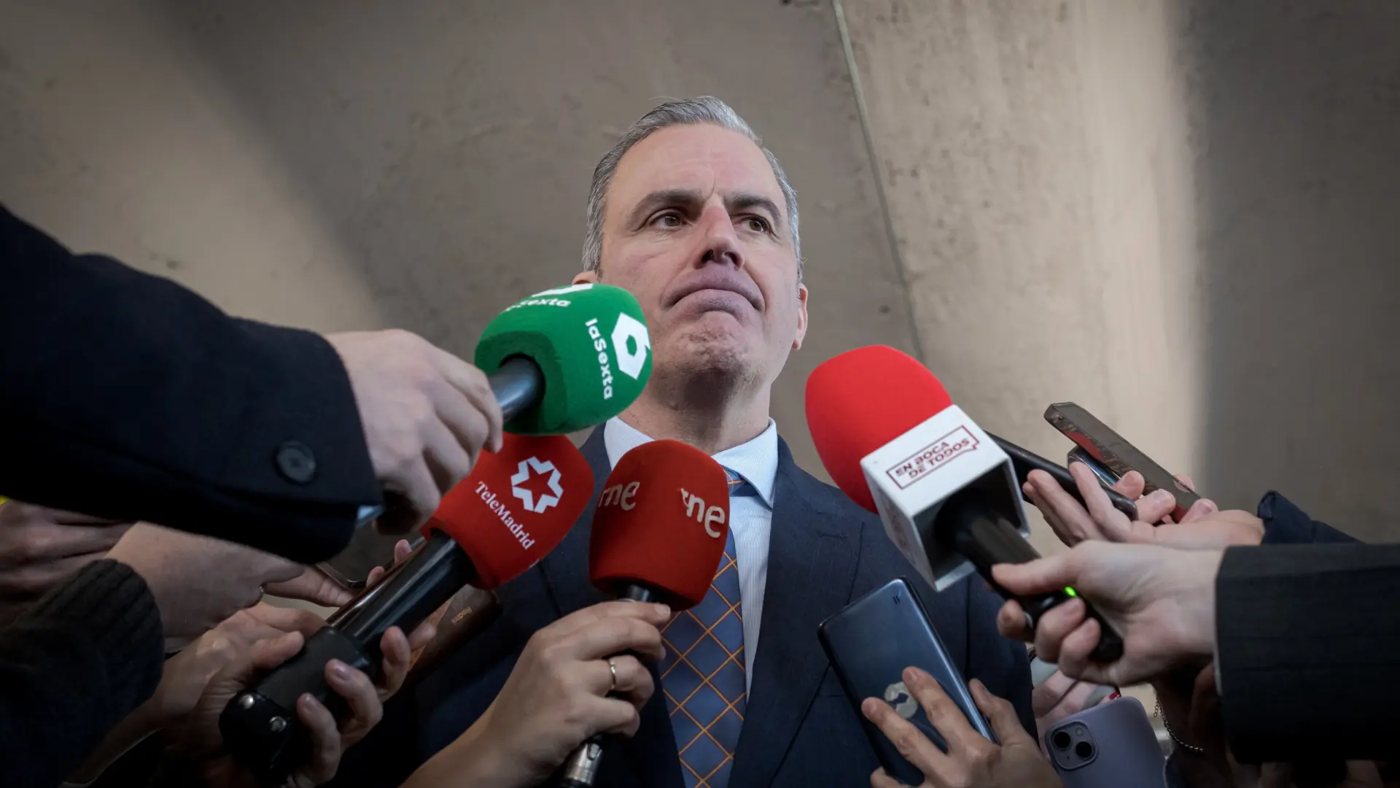
Javier Ortega Smith, the former secretary general of the far-right Spanish party Vox, has formally requested to leave the party's parliamentary group in the Congress of Deputies and join the mixed group, while keeping his seat as a deputy. The move, announced on Friday, has drawn sharp accusations from the party leadership, which claims Ortega Smith is effectively stealing the seat from Vox voters.
Ortega Smith communicated his decision in a message on the social network X, accompanied by a letter addressed to Vox president Santiago Abascal. In the letter, he described the step as one of the most painful decisions of his life, expressing deep disappointment but also a clear conscience. He stated that he leaves the parliamentary group with sadness, as he helped found the party a decade ago, but feels he has no choice given the current direction of the party.
The party's leadership reacted swiftly, accusing Ortega Smith of robbing the seat from its voters. Vox issued a statement reminding him that the seat he holds is in representation of the party and called on him to return it, arguing that the seat does not belong to him but to the voters who supported Vox in the elections. The party's statement emphasized that the seat is not his property but a mandate from the electorate.
Ortega Smith's departure from the parliamentary group comes three months after he was expelled from the party itself for committing a serious infraction. The infraction stemmed from his refusal to comply with a party directive that required him to step down as a spokesperson in the Madrid City Council. His expulsion from the party did not automatically strip him of his parliamentary seat, as Spanish law allows deputies to retain their seats even if they leave or are expelled from their party, a practice known as transfuguismo.
In his letter to Abascal, Ortega Smith accused the party of being kidnapped by an immovable leadership clique and of betraying the founding values and principles of the formation. He lamented what he described as months of swift and unjustified internal dismissals and accused the leadership of using the party's implacable machinery to label as dissidents those who question the current course. He insisted that he has not changed, but rather the party has moved away from its founding principles.
Ortega Smith also noted that he will not break his party membership, holding the low number 6 affiliation card, and claimed to feel closer to the founding principles than to the current political structure. He concluded that there is no possibility of changing the party from within, a conclusion he said he reached after careful consideration. As a footnote, he pointed out that his letter was inspired by the one Abascal himself sent to then-Prime Minister Mariano Rajoy in November 2013, when Abascal left the conservative Popular Party.
The departure reduces the size of Vox's parliamentary group in the Congress from 33 to 32 deputies. This internal rift highlights ongoing tensions within the party, which has seen a series of high-profile departures and expulsions in recent months, as the leadership under Abascal has sought to tighten control and enforce discipline. Ortega Smith, once a key figure and the party's former secretary general, had been a prominent face of Vox, particularly in legal and municipal matters.
The controversy over the seat is likely to fuel further debate about the rules governing parliamentary mandates in Spain. Critics of the current system argue that it allows politicians to switch allegiances without facing voters, undermining democratic accountability. Supporters of the system maintain that it protects the independence of individual deputies and prevents parties from exerting excessive control over elected representatives.
Ortega Smith's move is also seen as a personal blow to Abascal, as the two were once close allies. The letter's reference to Abascal's own past departure from the PP was a pointed reminder of the party leader's history of breaking with his former political home. The episode underscores the fragility of internal cohesion in Vox, which has grown rapidly in recent years but now faces challenges in maintaining unity as it navigates the complexities of national politics.
93