Russian Opposition Politician Nadezhdin Detained Two Months Before Parliamentary Election
Russian police detained opposition politician and war critic Boris Nadezhdin in Moscow two months before the parliamentary election, highlighting ongoing crackdowns on dissent.
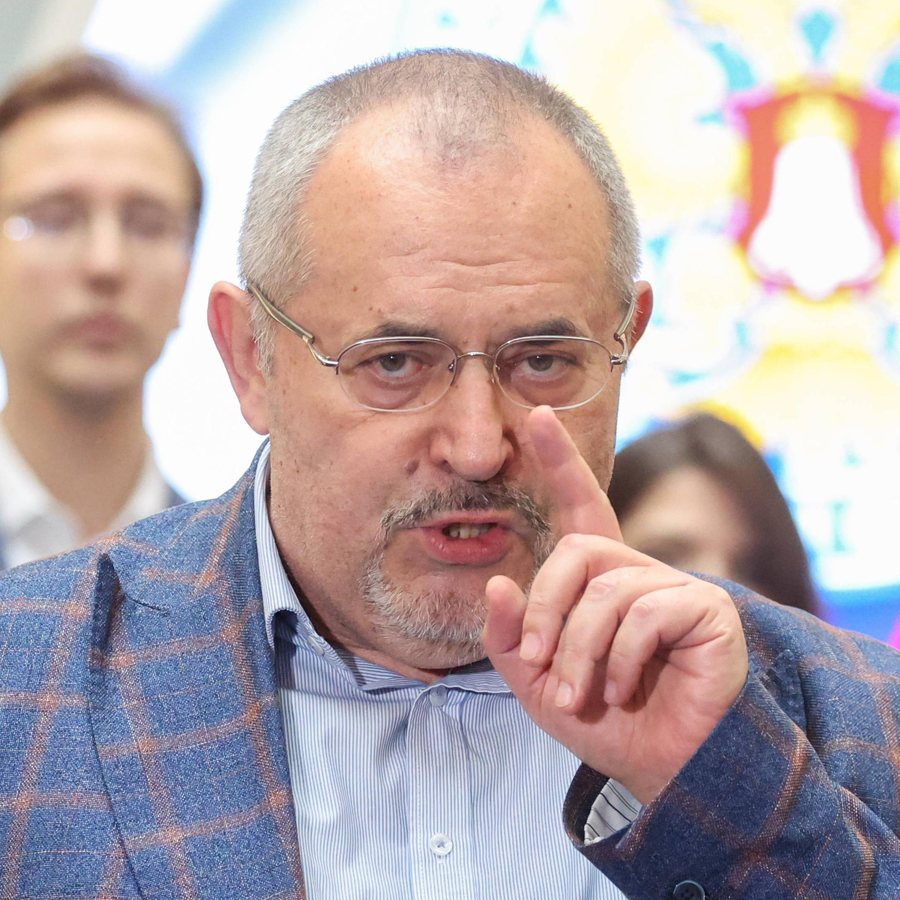
Russian police have detained opposition politician and war critic Boris Nadezhdin in Moscow, just two months before the country's parliamentary election. The arrest underscores the Kremlin's continued efforts to suppress dissent ahead of a vote widely expected to lack genuine competition.
Nadezhdin, a former member of the Russian State Duma and a vocal opponent of the war in Ukraine, was taken into custody during a protest or political gathering, according to reports. Details of the specific charges remain unclear, but the detention fits a broader pattern of authorities targeting opposition figures, activists, and independent media in the run-up to the election.
The parliamentary election, scheduled for September, is seen as a key test of political freedom in Russia. However, critics argue that the electoral process is heavily controlled by the Kremlin, with opposition candidates often barred from running, independent observers restricted, and state media dominating the narrative. Nadezhdin's arrest is likely to further erode confidence in the fairness of the vote.
Nadezhdin has been a persistent critic of President Vladimir Putin's policies, particularly the invasion of Ukraine. He previously ran for president in 2024 but was disqualified by the Central Election Commission, a move widely condemned as politically motivated. His detention now adds to a growing list of opposition figures who have faced legal harassment, imprisonment, or exile.
The timing of the arrest, two months before the election, suggests a deliberate effort to intimidate potential challengers and discourage public dissent. Human rights organizations have documented a sharp increase in political repression in Russia since the start of the war in Ukraine, with thousands of people detained for anti-war protests and criticism of the government.
International observers have repeatedly criticized Russia's electoral practices, citing widespread irregularities, lack of transparency, and suppression of opposition voices. The upcoming parliamentary election is expected to follow a similar pattern, with the ruling United Russia party likely to maintain its dominance.
Nadezhdin's supporters have called for his immediate release, arguing that the detention is a politically motivated attempt to silence dissent. Legal experts note that Russian authorities often use administrative charges, such as organizing unauthorized protests or violating public order, to detain opposition figures without due process.
The arrest has drawn condemnation from Western governments and human rights groups, who view it as further evidence of the erosion of democratic norms in Russia. The European Union and the United States have imposed sanctions on Russian officials involved in political repression, but such measures have done little to change the Kremlin's behavior.
As the election approaches, the crackdown on opposition is likely to intensify. Independent candidates face significant barriers to registration, including stringent signature requirements and arbitrary disqualifications. State-controlled media continue to promote pro-government narratives while marginalizing alternative viewpoints.
Nadezhdin's detention serves as a stark reminder of the risks faced by those who challenge the Russian government. His case is expected to draw international attention, but inside Russia, the space for political dissent continues to shrink.
83