Spanish Government Sends Vicarious Violence Law to Parliament, Removing Parental Custody from Convicted Abusers
The Spanish Council of Ministers approved a pioneering law on vicarious violence, which automatically removes parental custody from fathers convicted of abusing their partners or children, and includes measures for prevention, victim support, and judicial training.
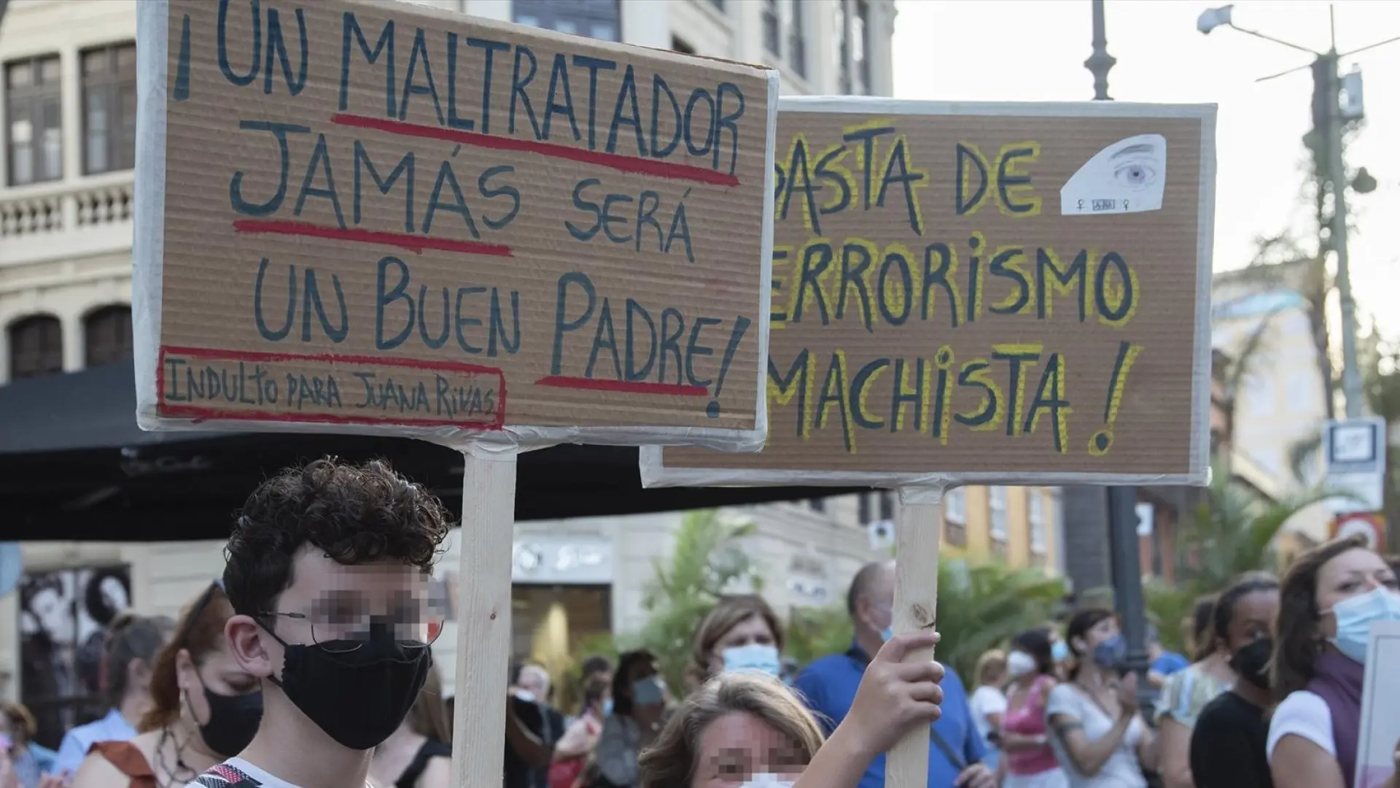
The Spanish government has taken a significant step in combating gender-based violence by sending a groundbreaking law on vicarious violence to Parliament. Approved by the Council of Ministers, this legislation is the first of its kind in Europe and introduces automatic removal of parental custody for fathers convicted of assaulting their partners or children. The initiative, which modifies up to ten Spanish laws, aims to prevent, address, and repair the harm caused by this form of violence, which targets individuals close to a woman to inflict maximum suffering.
Vicarious violence is defined for the first time in Spanish law through an amendment to Article 1.4 of the Gender Violence Law. It describes violence that, with the objective of causing pain or suffering to women, can be directed at minors, adults with disabilities, other descendants such as grandchildren, ascendants like parents, siblings, or the current partner of the woman being targeted. This type of violence has already claimed the lives of three children in 2026, and since records began in 2013, a total of 68 minors have been killed. Additionally, the Interior Ministry's VioGén system had 103,746 active cases of gender violence victims as of June 30, with 53,495 involving minors in their care.
A key measure in the law is the automatic elimination of parental custody upon a final conviction for a serious crime of gender violence or violence against children. The government operates under the principle that an abuser cannot be a good father. Restoration of parental custody will not occur upon completion of the sentence but only after the criminal record is expunged. The law also imposes limits on custody and visitation regimes, allowing restrictions or recommendations against shared custody if there are rational indications of gender violence within the family or toward minors. This will be assessed with enhanced child protection measures, ensuring that children are heard in all relevant cases, with professional support when necessary.
The legislation includes reforms to the judiciary, mandating specific training on vicarious violence for judges, magistrates, and prosecutors, which will be compulsory for career entry and promotion. It also introduces a verbal trial process for separation or custody cases arising from ongoing criminal proceedings, speeding up parallel processing. For victims, the law allows changes to surnames in the Civil Registry to sever connections with the aggressor, even posthumously for deceased victims. Social Security laws are amended to prevent abusers from benefiting from the victim's situation, death, or any related circumstances.
The law also prohibits the publication or dissemination of content related to the crime committed, aiming to prevent cases like that of José Bretón, who was convicted for the murder of his two children in 2011 and later sought to profit from the crime through a book. Other measures, such as creating a specific offense for vicarious violence against pets, were excluded from the final text following recommendations from advisory bodies. The government emphasizes that the law is a comprehensive response to a severe social issue, with the goal of protecting victims and ensuring that abusers face full consequences.
This legislative move comes amid ongoing efforts to strengthen protections for women and children in Spain. The law is expected to undergo parliamentary debate, where it may face amendments but is likely to receive broad support given the cross-party consensus on combating gender violence. The government has highlighted that the law not only punishes perpetrators but also provides a framework for prevention and victim reparation, marking a significant advancement in Spanish legal and social policy.
78