Ukrainian Parliament Approves Serhii Koretskyi as New Prime Minister Amid Protests Over Defense Minister’s Dismissal
The Ukrainian parliament has confirmed Serhii Koretskyi as the new prime minister, while protests erupt in Kyiv over the dismissal of popular Defense Minister Mykhailo Fedorov, seen as a setback for military reform.
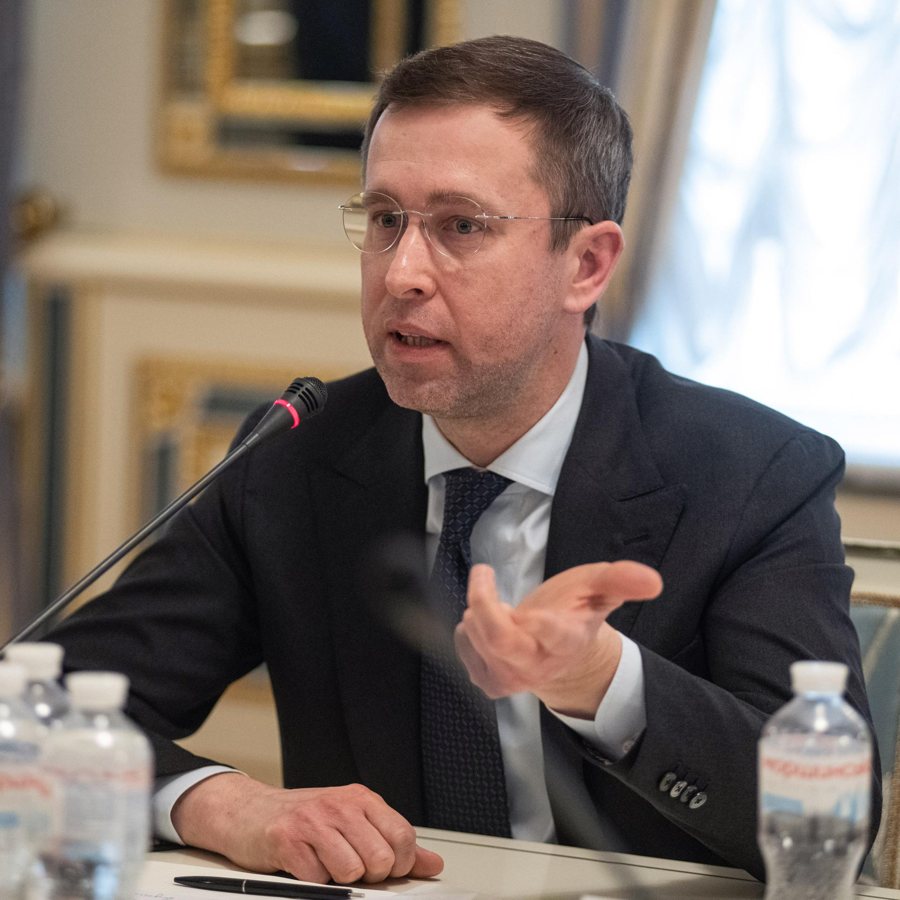
The Ukrainian parliament in Kyiv has confirmed Serhii Koretskyi as the country’s new prime minister, marking a significant cabinet reshuffle that has sparked public protests and raised questions about the direction of military reform. The vote, which saw 289 lawmakers in favor, comes amid growing tensions over the dismissal of Defense Minister Mykhailo Fedorov, a widely respected modernizer who had been a key figure in efforts to overhaul the armed forces.
Koretskyi, a former deputy prime minister and experienced administrator, steps into the role at a critical time for Ukraine, which continues to face the ongoing war with Russia and the need for sustained Western support. His appointment is part of a broader government shake-up initiated by President Volodymyr Zelenskyy, who has sought to streamline decision-making and address corruption concerns. However, the removal of Fedorov has drawn sharp criticism from reformers and civil society groups, who view it as a victory for traditional military leaders resistant to change.
Fedorov, who served as defense minister since 2023, was credited with implementing modern procurement systems, improving transparency, and pushing for NATO-standard training. His dismissal, announced without a clear public explanation, has led to protests in central Kyiv, where demonstrators have called for his reinstatement and accused the president of bowing to pressure from conservative factions within the military establishment. Analysts suggest that the move could undermine Ukraine’s reform credibility with international partners, who have tied aid to anti-corruption progress.
Interior Minister Ihor Klymenko is reportedly set to take over the defense portfolio, according to sources close to the government. Klymenko, a former police chief with a reputation for efficiency, is expected to continue some of Fedorov’s initiatives but may face resistance from entrenched interests. The reshuffle also includes changes in other ministries, though details remain sparse. The government has framed the changes as necessary to adapt to the evolving battlefield situation and to accelerate the integration of Western military equipment.
The protests, which have drawn thousands of participants, reflect a broader public anxiety about the pace of reform and the influence of old-guard officials. Many Ukrainians see Fedorov as a symbol of the country’s post-2014 transformation, and his ouster has been described by one expert as “one of the dumbest things” Zelenskyy has done, potentially damaging morale among troops and reformers alike. The defense ministry under Fedorov had made strides in rooting out corruption in arms procurement and improving conditions for soldiers, which had earned him high approval ratings.
Koretskyi, in his first address to parliament, emphasized continuity in foreign policy and the need to maintain unity. He pledged to prioritize the military’s needs and to work closely with Western allies. However, the political fallout from Fedorov’s dismissal is likely to dominate the early days of his tenure. The new prime minister faces the challenge of balancing the demands of reformers with those of the military establishment, all while managing the war effort and a fragile economy.
The international community has reacted cautiously. The United States and European Union have not publicly commented on the reshuffle, but behind-the-scenes discussions are expected to focus on Ukraine’s reform trajectory. The timing of the changes, as Ukraine prepares for a potential new Russian offensive, adds urgency to the need for stable governance. The cabinet reshuffle also comes ahead of a critical NATO summit where Ukraine is seeking a clearer path to membership.
In the streets of Kyiv, the mood is mixed. While some citizens express hope that Koretskyi can bring fresh energy, others worry that the dismissal of Fedorov signals a return to opaque decision-making. The protests, though peaceful, underscore the deep divisions within Ukrainian society over how to balance wartime necessity with long-term institutional change. For now, the government has defended its actions, insisting that the reshuffle is routine and aimed at improving efficiency. But the controversy is unlikely to fade quickly, as opposition lawmakers have called for a parliamentary inquiry into the circumstances of Fedorov’s removal.
80