
August 12 eclipse will turn Europe into a natural solar laboratory
Germany will see a deep partial eclipse while scientists use the brief total phase in Spain and Iceland to study the corona and Earth’s atmosphere.
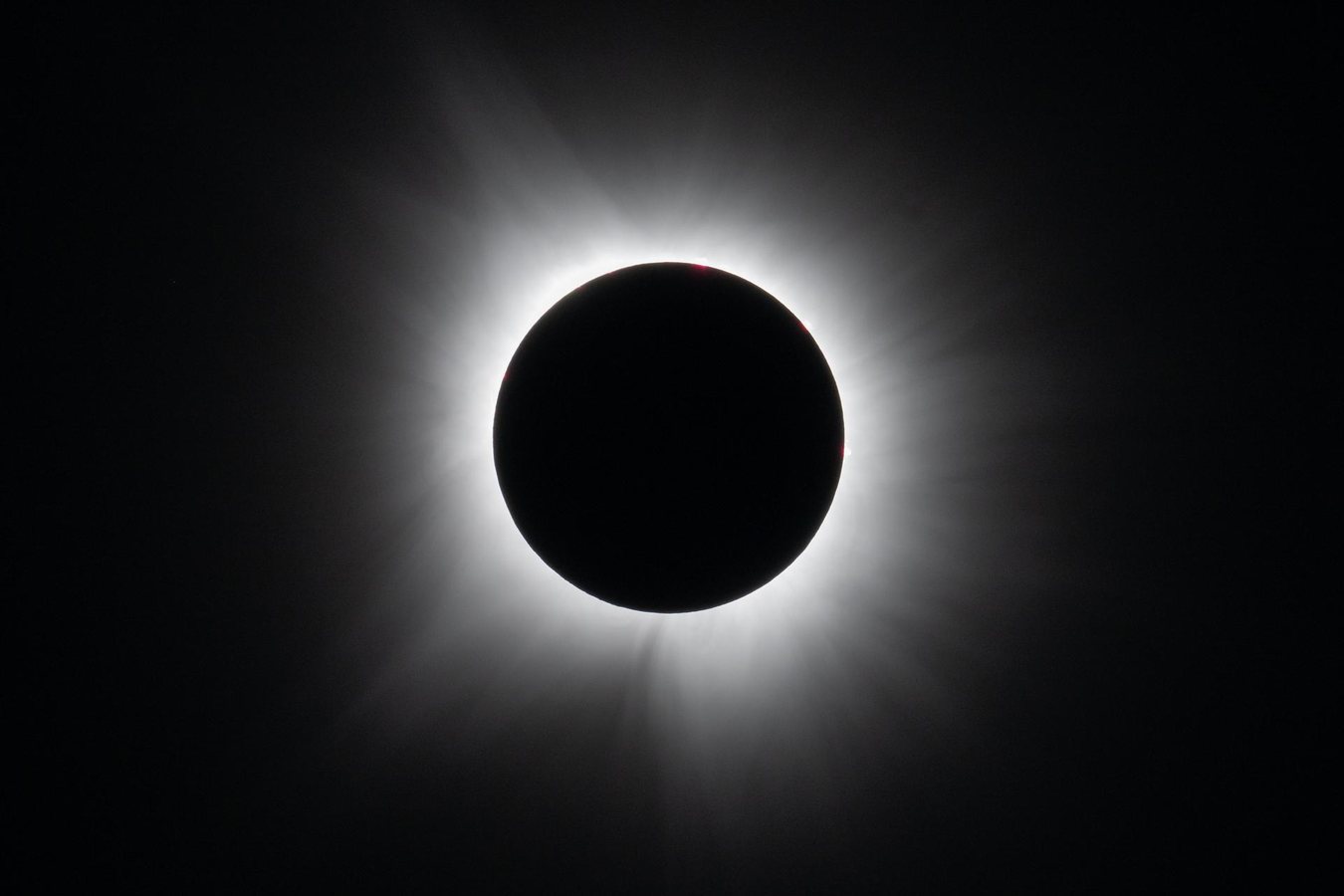
The total solar eclipse of Aug. 12 will offer Europe two experiences at once: a public sky event near sunset and a tightly timed scientific experiment. The path of totality reaches Greenland, Iceland, northern Spain and a small part of northeastern Portugal, while Germany remains in the broader partial-eclipse zone.
Berlin is expected to reach about 85% solar coverage at 8:08 p.m., according to NASA, with sunset following at about 8:38 p.m. The European Space Agency says locations in Germany, Austria and Switzerland can see as much as roughly 90% of the Sun covered depending on position.
For researchers, the central shadow is a rare chance to observe the solar corona. NASA will fly a WB-57 research aircraft at about 50,000 feet, following the Moon’s shadow so its cameras can watch the corona for nearly three minutes. The longest ground-level totality is only about two minutes and 18 seconds.
Scientific balloons in Iceland and Spain will study changes in the lower atmosphere and ozone as daylight collapses and returns. For ordinary observers in Germany, however, the practical rule is simple: the eclipse remains partial throughout, so certified solar viewers are required at all times. Regular sunglasses are not safe.