SpaceX Reports Loss in First Quarter After Record IPO
SpaceX, Elon Musk's space company, reported a loss in its first quarter as a publicly traded company. Its June IPO raised more money than any previous company.
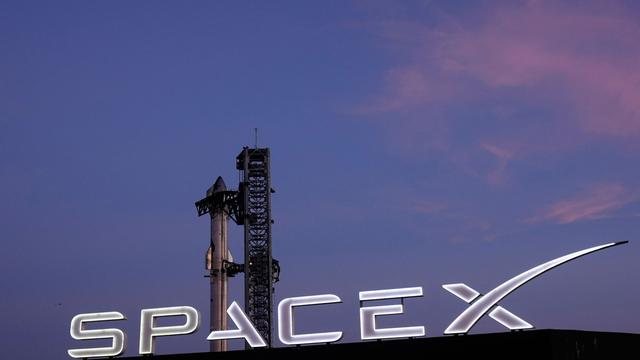
SpaceX, the space company founded by Elon Musk, has reported a loss for its first quarter as a publicly traded company. The result shows that the company's operations are still generating heavy costs, with expenses running ahead of revenue. The disclosure came only months after a stock market debut that attracted record levels of investor money and made SpaceX one of the most closely watched newly listed companies.
SpaceX went public in June and raised more capital in its initial public offering than any other company had raised before. The record listing underscored powerful investor demand for private space ventures and gave the company a large new pool of funding. For years, SpaceX had operated as a privately held business, and the IPO marked a major change in its corporate path. The scale of the offering set a new benchmark for capital raising by newly listed companies and increased the scrutiny on the company's financial reporting.
The new figures, however, show that the success of the stock sale has not translated into profits. In its first quarter as a listed company, SpaceX ended with a loss. Its activities continue to absorb substantial amounts of money, and income from its business is not sufficient to cover costs. The disclosed result confirms that the company is still in an expansion phase in which spending takes priority over short-term earnings. The gap between the enthusiastic reception on the stock market and the company's bottom line is a reminder that investor confidence does not automatically change the economics of a capital-intensive enterprise.
Loss-making quarters are not unusual in the space industry, where development, production and operations require sustained investment. Building and launching rockets and satellite systems demands expensive technology and long lead times, and many firms in the sector spend years without reaching profitability. For SpaceX, those structural pressures are visible in the first financial report since its listing. The company must continue to finance its plans while it waits for revenue to catch up with the scale of its spending, and its next financial reports will be watched closely for signs of improvement.
The combination of a record IPO and a loss-making quarter makes SpaceX stand out even among recent high-profile listings. Companies that attract such large sums from public markets are normally expected to show a relatively clear path to earnings. In this case, investors have shown confidence in the company's long-term ambitions, while the actual figures for the first quarter describe a business that is still spending more than it earns. Whether that spending eventually produces strong profits will depend on the company's ability to turn its activities into steady commercial success.
For Elon Musk and his management team, the task ahead is to turn the company's size and market position into a stable financial performance. The next set of quarterly results will indicate whether the losses are shrinking and whether the company is moving closer to the profitability that its record market debut implies. Until then, the gap between investor enthusiasm and operating reality remains the central issue for the company.