U.N. Warns World Will Miss Its 1.5-Degree Climate Target
A new United Nations assessment concludes that the world is on track to miss its primary climate goal of limiting global warming to 1.5 degrees Celsius, citing insufficient emissions reductions and the ongoing reliance on fossil fuels.
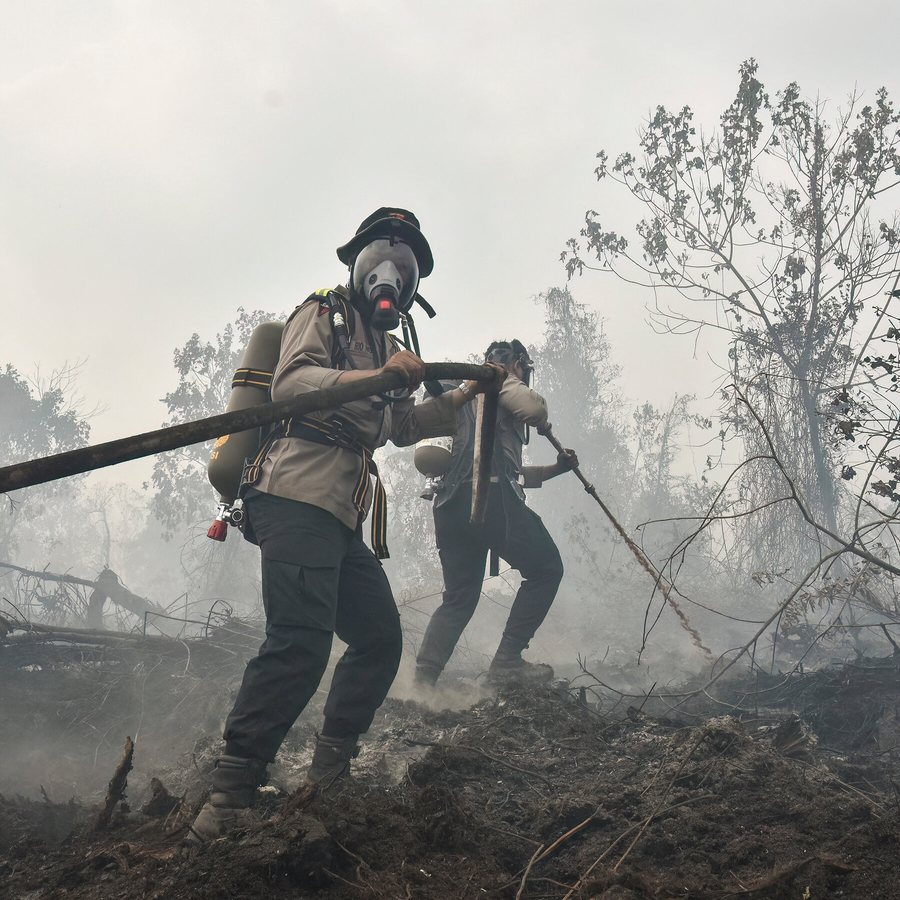
The United Nations has issued a stark new assessment concluding that the world will fail to meet its primary climate goal of limiting global warming to 1.5 degrees Celsius above pre-industrial levels. The report, released this week, attributes the projected shortfall to insufficient emissions reductions and the continued expansion of fossil fuel infrastructure, underscoring the widening gap between political commitments and physical reality.
The finding carries profound implications not only for environmental policy but also for the moral and cultural frameworks through which societies confront planetary change. For communities rooted in traditions of stewardship — whether religious congregations, indigenous groups, or local civic organizations — the report intensifies questions about responsibility, intergenerational justice, and the ethical limits of economic growth. The 1.5-degree threshold, enshrined in the 2015 Paris Agreement, has long served as a symbolic boundary beyond which the risks of catastrophic heatwaves, sea-level rise, and ecosystem collapse increase dramatically.
According to the U.N. analysis, current national pledges to cut greenhouse gas emissions, even if fully implemented, would still result in warming of approximately 2.6 to 3.1 degrees Celsius by the end of the century. The report highlights a persistent disconnect between the declarations of world leaders and the concrete actions of energy ministries, industrial regulators, and financial institutions. It notes that global coal, oil, and natural gas production continues to rise, with new extraction projects approved in several major economies despite repeated warnings from the scientific community.
The assessment also points to a troubling asymmetry in climate impacts. The nations least responsible for historical emissions — many of them in the Global South — are projected to suffer the earliest and most severe consequences, including prolonged droughts, destructive flooding, and food insecurity. This disparity has become a central theme in international climate negotiations, where developing countries have pressed for greater financial support from wealthier nations to fund adaptation measures and clean energy transitions. The U.N. report acknowledges that current funding flows remain far below the levels needed to address these vulnerabilities.
In response to the findings, climate researchers and policy analysts have called for a fundamental reassessment of mitigation strategies. Some argue that the focus should shift toward accelerated deployment of renewable energy, carbon capture technologies, and nature-based solutions such as reforestation and peatland restoration. Others emphasize the need for deeper societal changes, including reduced consumption patterns, reformed agricultural practices, and a revaluation of economic indicators that currently reward environmental degradation.
The report arrives amid a summer marked by extreme weather events across multiple continents, from wildfires in southern Europe to record-breaking heat in Asia and devastating storms in the Americas. These events have brought the abstract language of climate targets into sharper relief, as communities confront the tangible costs of a warming planet. For many faith-based and cultural institutions, the crisis has become a matter of practical theology — a test of whether humanity can exercise restraint, solidarity, and foresight in the face of long-term threats.
The U.N. assessment stops short of declaring the 1.5-degree goal impossible, noting that rapid and unprecedented action could still alter the trajectory. However, it warns that every year of delay narrows the window for meaningful intervention. The next round of national climate commitments, due to be submitted ahead of the 2027 global summit, will be critical in determining whether the world can regain momentum or whether the target becomes a historical footnote rather than a guiding principle.
63