Funeral director spent £42,000 of charity donations on holidays and sold false funeral plans
Robert Bush, a funeral director, spent £42,000 in charity donations from grieving families on holidays to Center Parcs and Italy. He also sold false funeral plans worth more than £500,000 to more than 200 people.
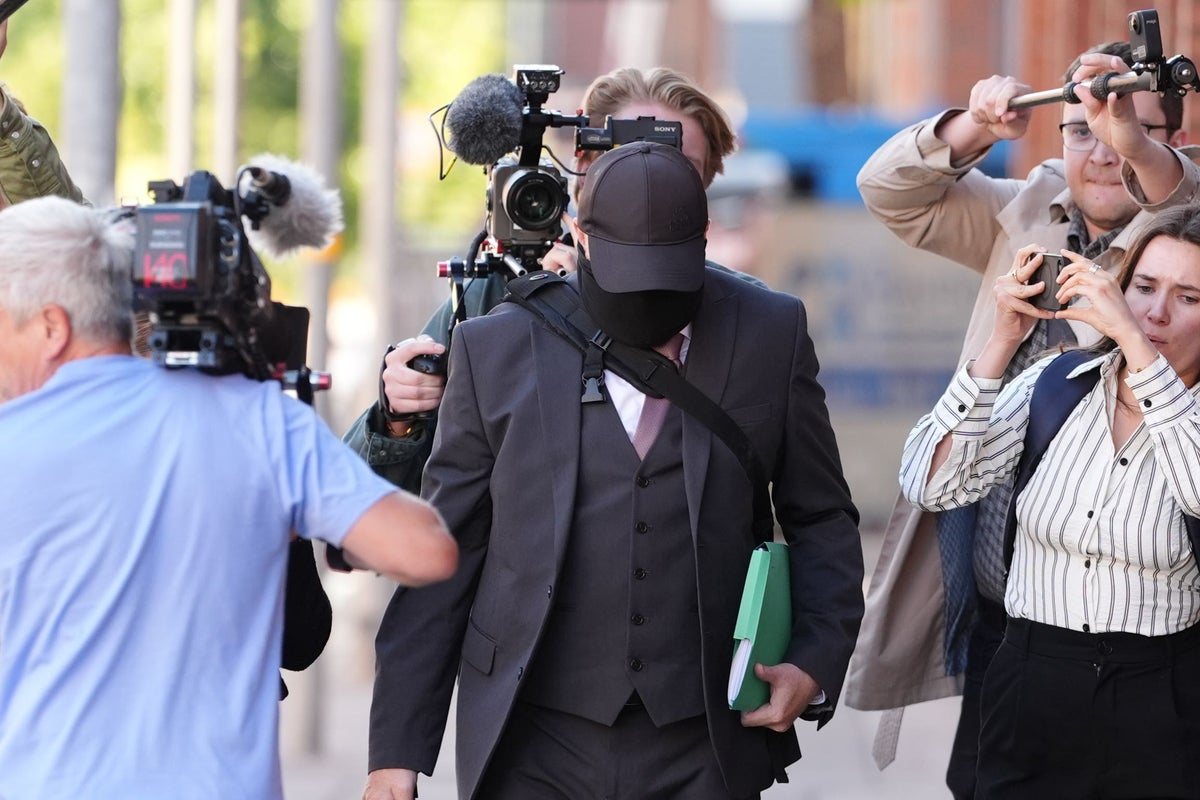
Robert Bush, a funeral director, spent £42,000 of charity donations on holidays to Center Parcs and Italy while handling the affairs of grieving families. The money was given by bereaved relatives as charitable donations but was instead used for personal leisure trips.
In a separate part of the case, Bush also sold false funeral plans worth more than £500,000 in total. More than 200 people were covered by the plans. The plans were presented as genuine pre-paid funeral arrangements but did not provide the services that customers believed they had bought.
The case involves two distinct forms of financial abuse. The first concerns donations that were meant to pass from bereaved families to charitable causes. The second concerns people who paid money in advance for funeral services, believing their end-of-life costs had been secured. In both instances, the victims were likely to trust the funeral director at a particularly difficult moment.
Charitable donations made after a death are often given in memory of the deceased. The theft of such funds is widely regarded as especially serious because it exploits goodwill that arises at a time of loss. Bush used the money for holidays, including breaks at Center Parcs and trips to Italy, rather than passing it to the intended recipients.
The false funeral plans add a further layer of harm. Pre-paid funeral plans are bought by people who want to spare their families the financial burden of arranging a funeral. By buying a plan, customers believe that their funeral costs are covered and that their loved ones will not have to make difficult payments at an already distressing time. Those who bought plans from Bush were left with no such protection, despite having paid for it.
The scale of the misconduct is illustrated by the numbers involved. The stolen charity donations amounted to £42,000, while the false funeral plans exceeded £500,000 in value. Combined, they represent a substantial abuse of the trust placed in a professional whose work centres on care for the dead and support for the living.
The case is also a reminder that funeral services are not immune to exploitation. Families preparing for a funeral may be in shock and may not examine paperwork as closely as they would under normal circumstances. The duty to act honestly is therefore especially important in this sector. People who arrange pre-paid plans are entitled to expect that their money is being held safely, just as people who give donations in memory of a loved one are entitled to expect that the money reaches the intended cause.
Taken together, the established details point to a misuse of money that was never meant for personal benefit. The consequences extend beyond the individuals directly affected, touching the wider trust on which funeral services depend at a time when families are already vulnerable.