Specialists Call for Personalised Care in Menopause, Not Normalising Symptoms
A gynaecologist at a new menopause unit in Spain says understanding the process, knowing one's own body and not accepting symptoms as normal are key to healthy ageing, with no single treatment or consultation age.
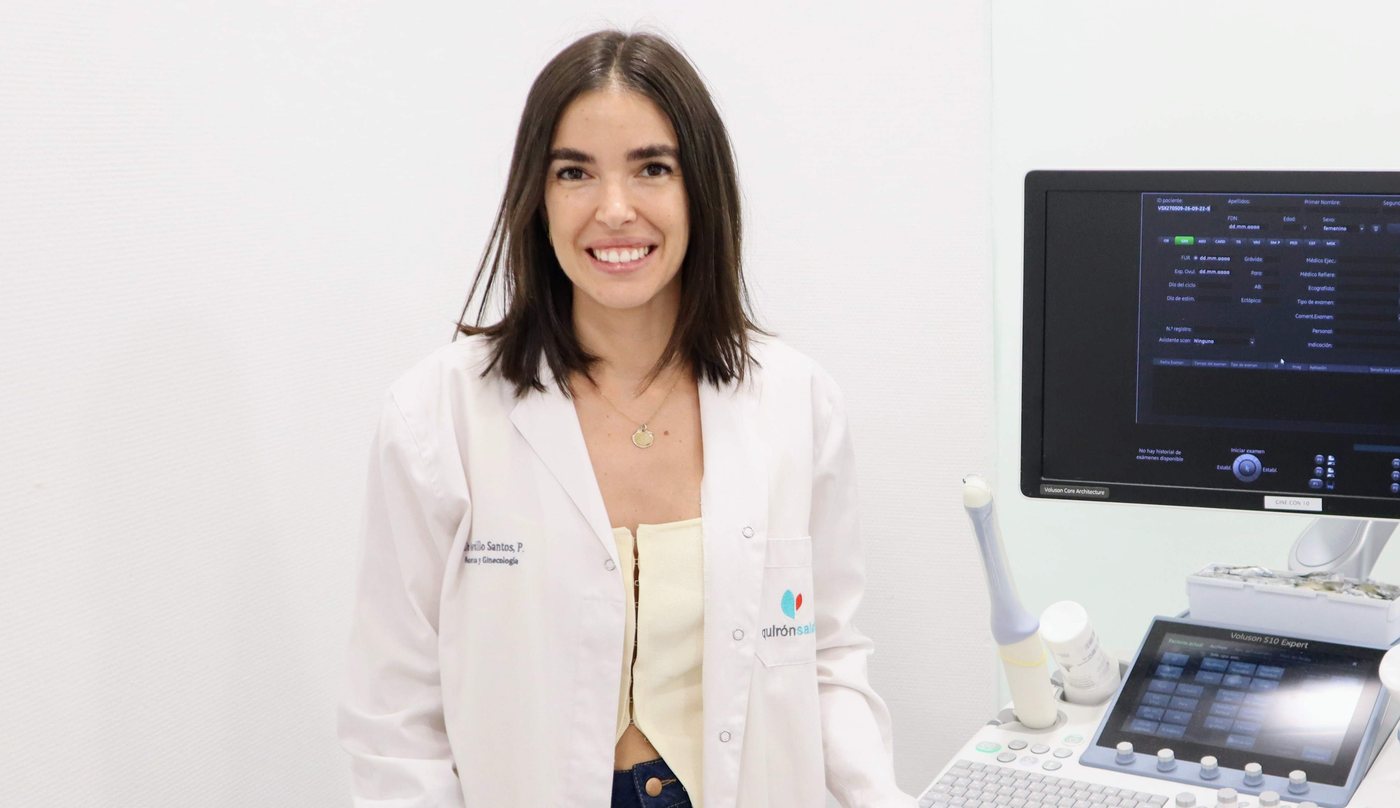
Menopause is a natural stage in a woman's life, but it is not experienced the same way by everyone. That is the starting point for a new specialist unit in Spain, whose lead gynaecologist argues that the first step towards better care is understanding the process and knowing oneself. Dr Paula Gordillo, a specialist in gynaecology and obstetrics and head of the new Menopause Unit at Quirónsalud Clideba hospital, says symptoms vary widely in presence and intensity, and that for some women the transition can have a significant impact on physical, emotional and social health.
Because of that variation, Gordillo stresses the need to individualise care and assess each case comprehensively and personally. There is no fixed age at which a woman should consult a professional, she says. Instead, attention should be paid to the changes that appear during this stage, since different moments bring different symptoms and needs. Hormonal changes can lead to hot flushes, insomnia, fatigue, mood swings, weight gain, vaginal dryness and difficulty concentrating — among the most common complaints during these years.
The specialist also points out that specialised care can help women who stopped menstruating years ago and have already moved past the best-known symptoms. More silent changes related to cardiovascular health, bones and memory deserve attention, she says. Equally, a woman does not need to have stopped menstruating to seek an assessment: some want information, a review of their habits, history and risk factors so they are better prepared for when the stage arrives.
There is no universal treatment. For some women, lifestyle changes may be enough; for others, pharmacological treatment — hormonal or non-hormonal — may be necessary. Some women need no specific treatment at all if they have no symptoms, risk factors or history requiring particular measures and maintain a good quality of life. «The key is to individualise. There is no universal treatment, so it is important to have rigorous information, specialised advice and care centred on your symptoms, needs and personal goals,» Gordillo says.
Beyond symptom management, the gynaecologist presents menopause as an opportunity to reinforce habits that directly influence health. Her recommendations include eating well, staying physically active, incorporating strength exercise, and looking after rest and emotional wellbeing. She also highlights sexual health and pelvic floor care, monitoring cardiovascular risk factors and keeping up with recommended medical check-ups.
Gordillo cautions against trends, advice or products that can create doubts, unrealistic expectations or unnecessary worry, and urges women to distinguish what can genuinely improve health and quality of life from what cannot. «Menopause should not be faced from fear or resignation, but from information, prevention and health care,» she concludes. The message from the new unit is that personalised attention — rather than a single prescription or a fixed age for consulting — is the most reliable guide through the transition.
5