The Cat That Forced New Zealand’s Conservation Ethics Into the Open
Nine Lives was a feral predator and also an animal that drew public sympathy. Its death exposes the hard choices behind protecting species found nowhere else.
The story of a grey tabby called “Nine Lives” is easy to tell as a chase: one cat, three years, dozens of dead ducks and a final trap baited with salmon, fried chicken and rabbit. The harder story begins after the trap closes. What does a society owe an individual animal when that animal is an introduced predator threatening a species found nowhere else?
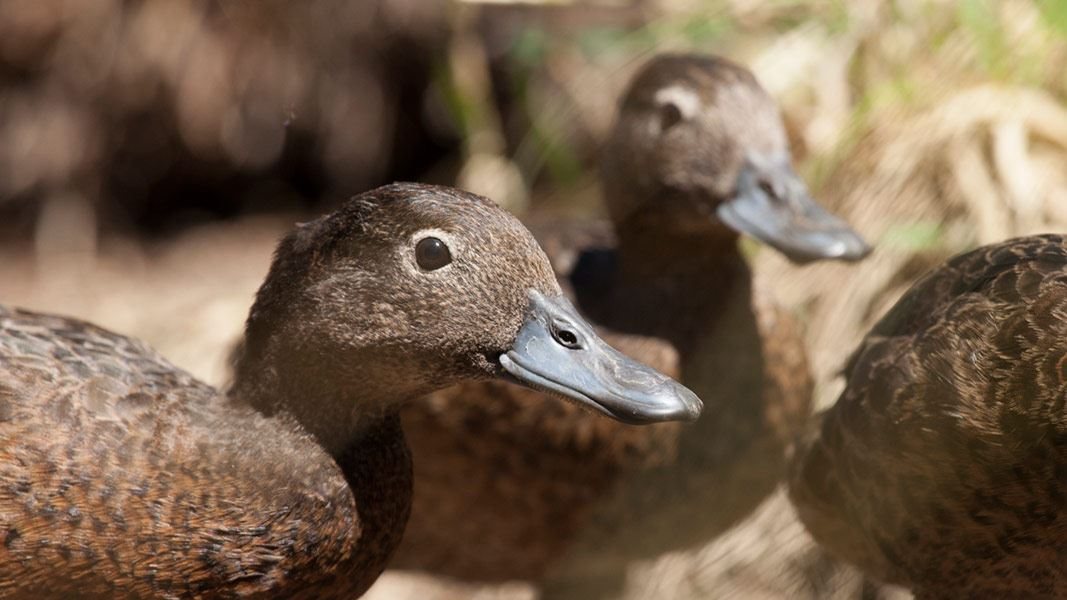
Nine Lives lived on New Zealand’s Purerua Peninsula, where conservationists were trying to restore pāteke, or brown teal. The Department of Conservation describes pāteke as endemic to New Zealand and the rarest waterfowl on the mainland. Its 2022 estimate put the wild population at 2,000 to 2,500 birds. The species has recovered from a more dangerous position, but that recovery depends on continuous management.
In 2023, Pest Free Purerua released 20 pāteke. Within a week, one was dead. Cameras identified a large tabby with distinctive markings, and project staff later linked the same animal to another 15 deaths. More traps and cameras were added, yet the cat repeatedly disappeared and returned at unpredictable times. The nickname Nine Lives grew from those escapes.
A second release in 2024 repeated the conflict. Twenty more birds entered the site, and the same cat was blamed for killing 15 of them. The Guardian estimated that the animal killed dozens of pāteke overall, about 1% of the species’ population. For a common bird, such losses could disappear into statistics. For a species rebuilt through captive breeding, habitat work and careful releases, each cluster of deaths can undo years of effort.
The capture came on July 30, 2026, after Nine Lives appeared at a quarry three nights in succession. Trappers used food as bait and caught the animal in a cage. It was then humanely shot. The response was divided. Some people were disturbed that the cat was killed; conservationists regarded its removal as necessary to protect native wildlife.
That divide is not simply a clash between people who care about animals and people who do not. Both sides can begin from concern for living creatures. The ethical difference lies in scale and responsibility. A feral cat acts according to its nature. It does not understand that the prey before it belongs to a small, vulnerable population. Humans, however, created the conditions in which introduced mammals reached ecosystems whose birds evolved without comparable predators. Management is therefore a human choice even when the cat itself carries no moral blame.
New Zealand’s government tried to reflect that distinction when it added feral cats to the Predator Free 2050 target list in November 2025. Domestic pets were explicitly excluded. The policy combines stronger control of feral populations with an emphasis on responsible pet ownership, while research is meant to improve effective and humane methods.
Nine Lives is expected to remain visible even after death. Its body was to be examined and taxidermied for community education. That may be an uncomfortable exhibit, but discomfort is part of the point: conservation often asks people to hold affection for individual animals alongside responsibility for entire species.
Purerua may release pāteke again. The next flock will not settle the moral debate, but its survival will show what the choice achieved. The challenge is to make protection effective enough that future decisions do not depend on one famous cat and one final shot.
68