When Answers Leave the Public Web, Knowledge Becomes More Private
AI makes information easier to obtain, but it also moves questions from public forums into private conversations. The decline of new Stack Overflow questions raises a deeper issue about memory, community and the common ownership of knowledge.
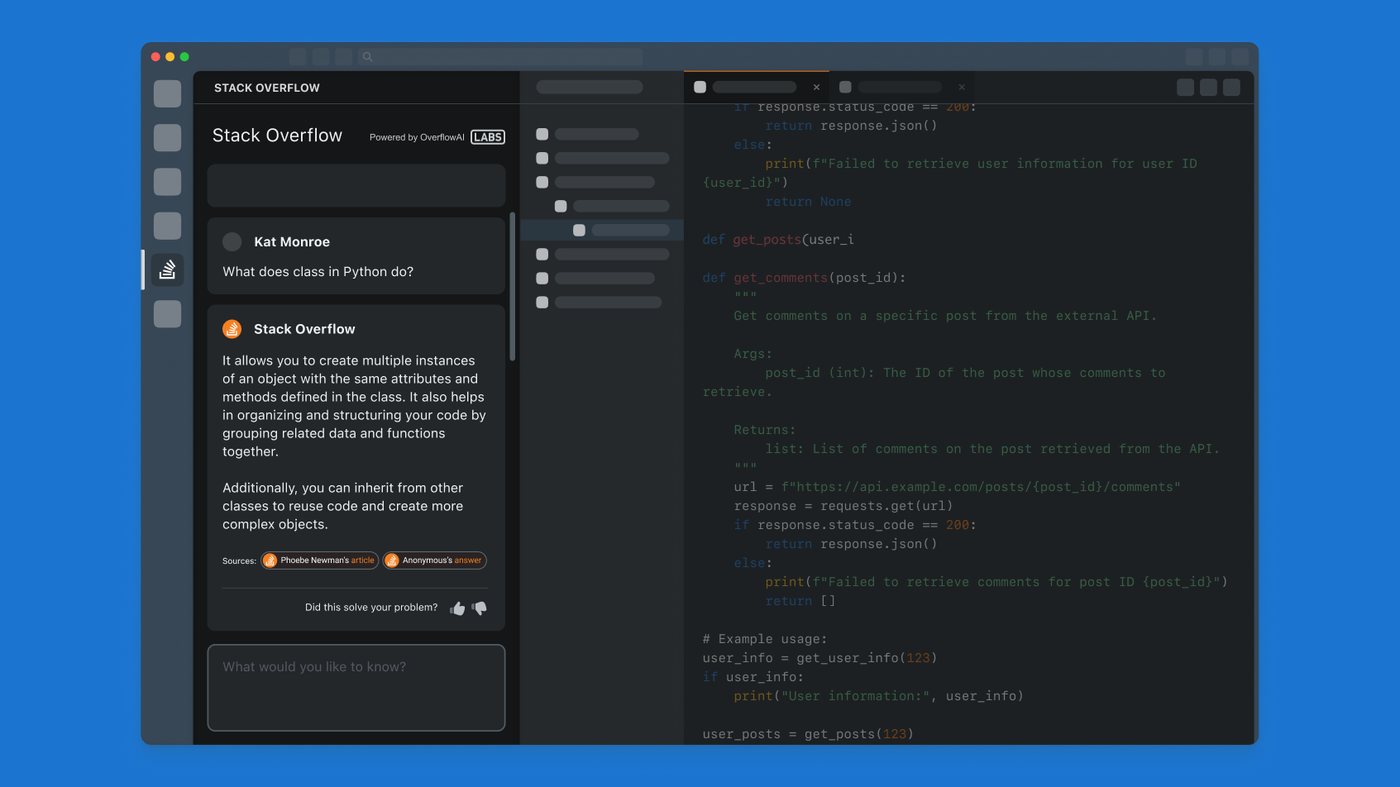
The most important thing about Stack Overflow’s decline is not the fate of one technology website. It is the movement of ordinary questions from public space into private space. That change is easy to miss because the user experience is often better: an AI assistant is fast, patient and available at any hour. Yet the social character of knowledge changes when the conversation no longer leaves a public record.
A viral claim says Stack Overflow lost 98.5% of its traffic. That is not supported as a measure of total visits. The striking decline is in new questions. At the 2014 peak, users posted more than 6,700 a day. In May 2026, the average was about 42. Research indicates that the spread of ChatGPT accelerated the withdrawal of routine questions from the public forum.
The older model had moral as well as technical value. Someone asked for help in public. Another person donated time and expertise. Others could correct the answer. Years later, a stranger could find the exchange and benefit from it without knowing any of the participants. The result was a kind of digital commons built from millions of small acts of contribution.
A chatbot changes the direction of that gift. The user still receives help, but the answer is generated inside a private service. The question may never become searchable. The correction may never be seen by another person. The expertise that trained or informed the system becomes less visible than the interface that delivers the response.
This shift is occurring at enormous scale. Similarweb estimates generative AI platforms now receive roughly 9.5 billion web visits per month on average. Cloudflare argues that AI systems are consuming web content at rates that are not matched by referrals back to publishers. That imbalance is often discussed in terms of advertising revenue, but it also affects communities that depend on recognition, participation and a sense that contribution matters.
There is a counterweight. Stack Overflow says developers still visit in large numbers and often seek human help when they distrust AI. When ChatGPT made external sources more visible in May 2026, referrals rose sharply. These facts suggest people have not lost interest in human authority; they have simply gained a more convenient first stop.
The deeper question is what kind of internet society wants. A world of instant personalized answers can be extraordinarily useful. But if fewer people publish, debate, document and preserve knowledge in open places, future generations may inherit a thinner public record. The problem is not that machines answer questions. It is whether the institutions and communities that create trustworthy answers remain visible and worth sustaining.
The challenge for the AI era is therefore not to choose between technology and tradition. It is to design systems that use powerful tools without making human knowledge private by default.
66