Young Europeans Turn Anger on a Political Class They Say Is Not Listening
From blockaded schools in Rome to tent camps in Madrid and street protests in France, young people across Europe are mobilising against a political establishment they accuse of ignoring their concerns.
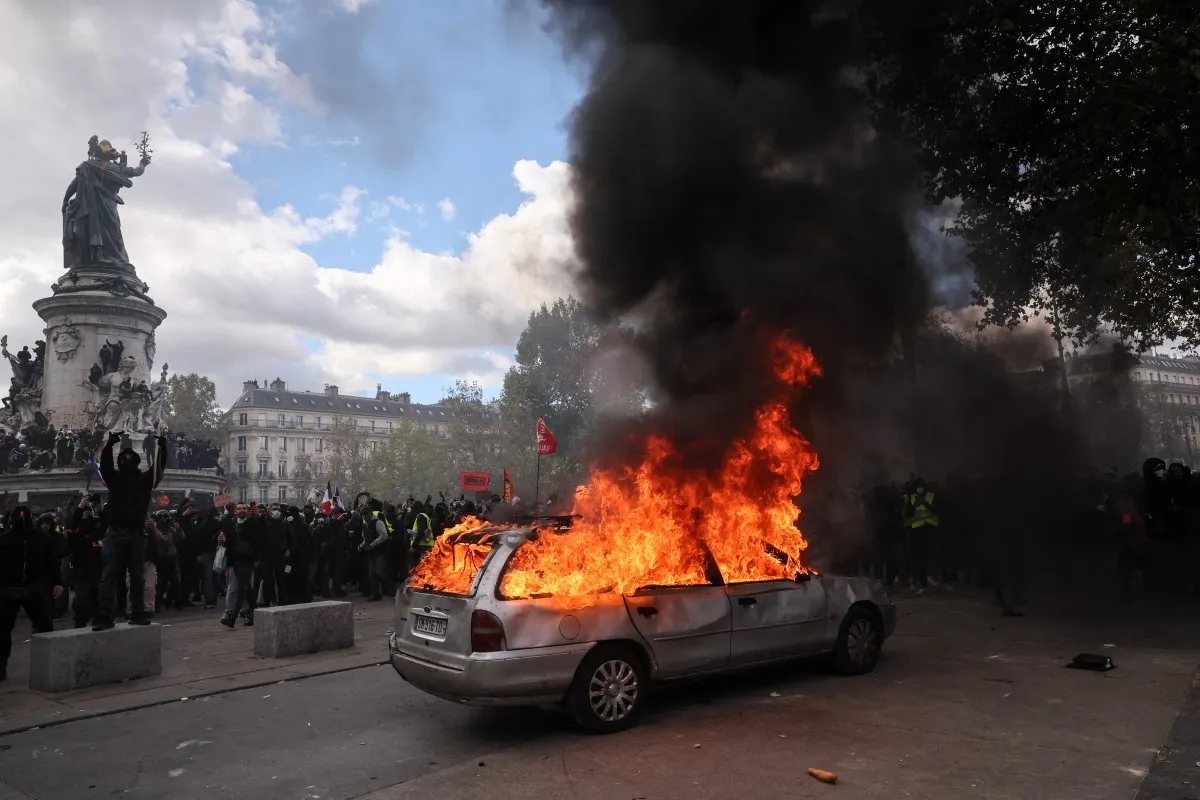
Young people across Europe are turning their anger on a political class they say is not listening, with protests and occupations spreading from Italy and Spain to France. The actions range from blockaded schools in Rome to tent camps in Madrid and street demonstrations in France, reflecting a shared frustration among a generation that feels shut out of the decisions shaping its future.
The wave of mobilisation has taken different forms in different countries, but the underlying grievance appears to be the same: a sense that established parties and institutions are failing to address the concerns of younger citizens. In Rome, students have blockaded schools; in Madrid, tent camps have become a visible symbol of protest; and in France, street demonstrations have carried the message that the political class is out of touch.
The protests point to a broader question about representation and trust. Young Europeans are expressing what has been described as a generational rage — a frustration not simply with individual policies but with the sense that their voices carry little weight in the political process. The occupations and camps are designed to make that frustration visible in public space, turning schools and city squares into stages for a demand to be heard.
The mobilisations also highlight how local grievances can feed a wider European conversation. While the specific triggers may differ from country to country, the common thread is a perception that decision-makers are not responding to the pressures young people face. By taking their protests into schools and streets, participants are signalling that they see the current political arrangements as unresponsive to their needs.
For churches and faith communities, the protests raise questions about how institutions listen to the young and whether they can serve as spaces where frustration is voiced and addressed rather than ignored. The sight of students occupying schools and pitching tents in city centres is a reminder that the search for recognition and meaning is not confined to formal politics; it also touches the communities and traditions that shape public life.
The protests have not produced a single set of demands, but their visibility has made one message clear: a generation believes it is being overlooked and is determined to force its concerns into the public debate. Whether the political class responds remains an open question, but the actions in Rome, Madrid and France have already put the relationship between young citizens and their representatives under scrutiny.
4