Lula Campaign Accuses Meta AI of Bias in Brazil Presidential Runoff
Supporters of Brazil's incumbent president say Meta's platforms and AI tools are favoring his right-wing challenger ahead of the 25 October runoff, as AI-generated campaign content floods the country's first election of the large-language-model era.
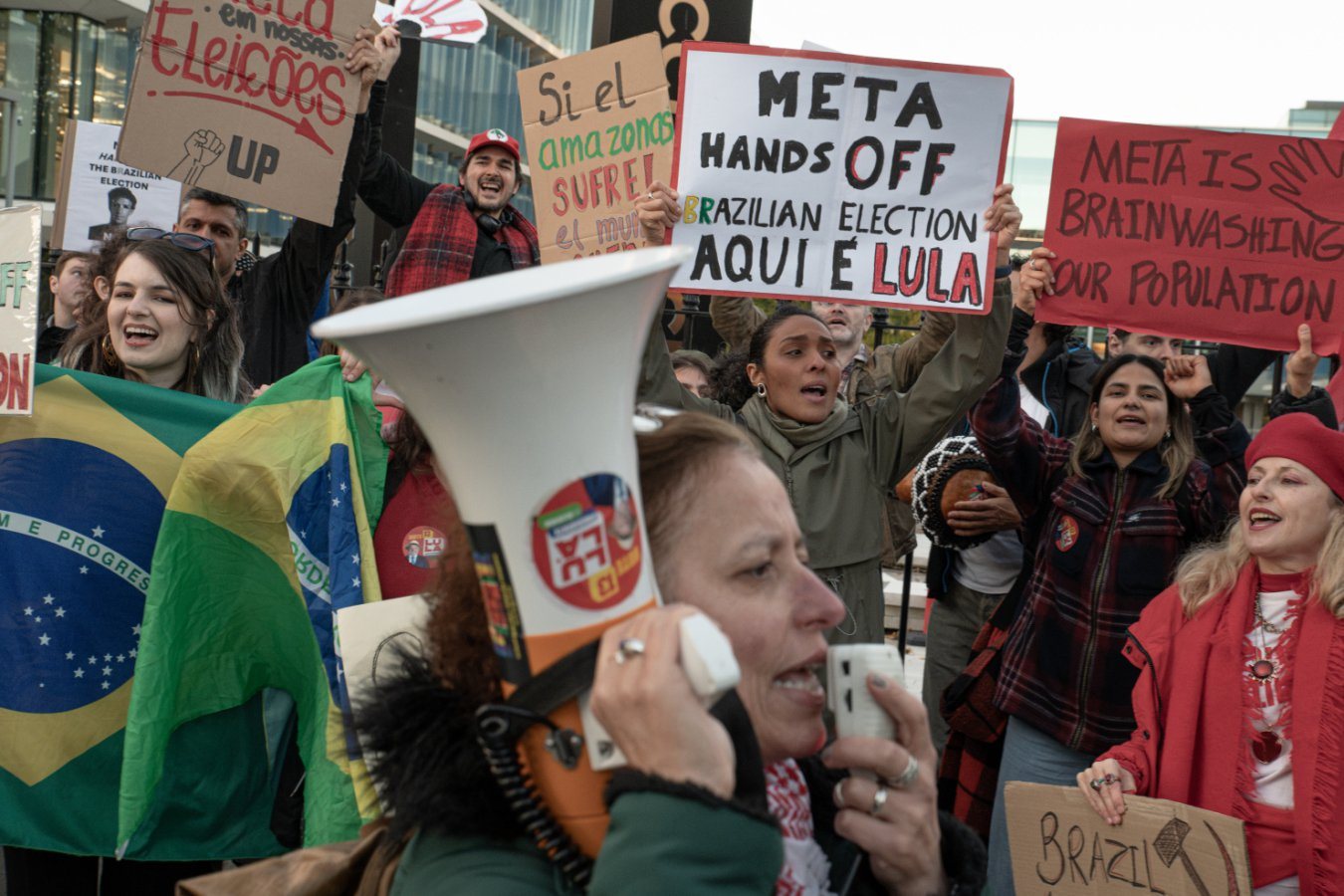
Supporters of Brazil's left-wing incumbent, Luiz Inácio Lula da Silva, have formally accused Meta of favoring his right-wing challenger, Flávio Bolsonaro, in the presidential runoff set for 25 October. The campaign says the company, which owns WhatsApp, Instagram and Facebook, suspended Lula's advertising account, suppressed posts and blocked AI-generated content in ways that disadvantaged the incumbent.
The dispute has drawn in Brazil's electoral prosecutors, who say Meta failed to fully comply with court orders requiring equal treatment of both candidates. United Nations human rights experts have also voiced concern about possible unequal treatment of the two campaigns. Meta rejects the allegations, stating that «claims that we are favoring or interfering on behalf of any candidate or political group are false and unfounded».
At the center of the row is Meta AI, a chatbot integrated into WhatsApp. Images have circulated widely showing the tool refusing to generate campaign posters for Lula while instantly producing an image for «Flávio». Meta said Lula's account was suspended for one hour by mistake, and that its systems blocked prompts referring to the names «Lula» and «Bolsonaro» but not the common first names Luiz or Flávio.
Lula's campaign remains unconvinced. It submitted screenshots to the electoral court showing Meta AI repeatedly assigning Bolsonaro's electoral number, 22, to generic, fictional politicians. The campaign also alleges the tool translated the phrase «Flávio futuro presidiário» — «Flávio future prisoner» — as «Flávio future president».
Determining whether such discrepancies are deliberate is impossible because Meta's systems are opaque, says David Nemer of the University of Virginia. «But when a technical glitch tends to repeat its outcome, it's very hard to accept that this is just a technical failure,» he said.
The runoff follows a first round in which Lula finished behind Bolsonaro, though polls show the gap narrowing. Part of the comeback is credited to «Lula's Army», an intensive online operation in which eight million WhatsApp channel subscribers receive daily tasks, such as posting photographs on Instagram posing with their fingers forming an L.
This is Brazil's first general election since large language models became widely popular, and the campaign is awash with AI-generated content. Experts say Latin America's largest democracy offers a glimpse of what is to come for artificial intelligence in politics elsewhere.
The fact-checking organization Lupa identified 920 pieces of AI-generated or manipulated election content ahead of the first round, primarily on Facebook and Instagram, 60 per cent of it unlabelled. A separate investigation found that 26 Meta advertising accounts appeared to sidestep restrictions on foreign-funded political advertising by posting AI-generated videos, including one depicting Bolsonaro and Argentina's president, Javier Milei, freeing Brazil from communists.
Meta's independent oversight board has said the company's election safeguards have failed. «It's very worrying,» Nemer said. «So much of our political campaign dynamics have been transferred to privatised companies that we have no idea how they operate.»
Regulating AI in political campaigns will not be simple, says Heloísa Massaro of InternetLab, a Brazilian digital rights non-profit that studied how eight major AI chatbots respond to questions about the election. Its report found that chatbots sometimes refused genuine questions about candidates, referring users to official electoral websites, yet would agree to draft misleading claims questioning the integrity of elections for use in campaigning.
Massaro says clearer safeguards for large language models are needed, but their objectives must first be defined. «Are the safeguards working? That's one question. But working for what, because it depends on what your goals are,» she said. «Is the solution to send people away without providing any kind of information? Is this what we want?»
6