Trump announces new talks with Iran starting Monday
President Donald Trump announced a new round of US-Iran talks for Monday, describing the contact as a negotiation. Tehran and the mediating countries have not confirmed the meeting.
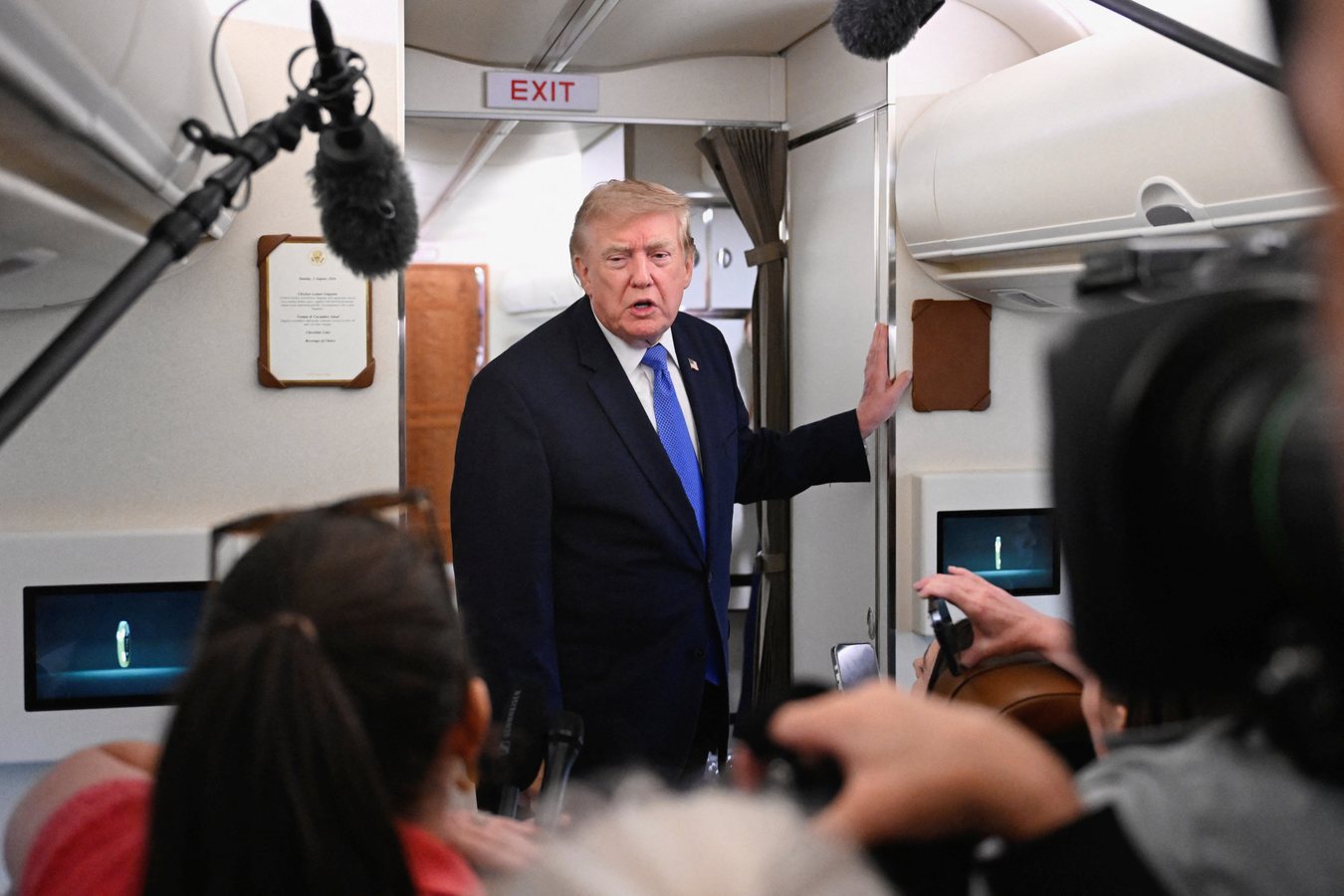
President Donald Trump has announced a new round of talks between the United States and Iran, saying the two sides are expected to begin a negotiation on Monday. The announcement adds a diplomatic track to a conflict that has already involved American strikes in Iran and a wider Middle East crisis. Trump presented the step as a deliberate move toward dialogue rather than a mere exchange of messages.
Speaking aboard Air Force One on August 2, 2026, while traveling to Joint Base Andrews in Maryland, Trump said the talks were due to start Monday afternoon. «What we are doing now is talking to them in the form of a negotiation,» he told reporters. He did not specify the venue, the level of representation, or the agenda, and no formal White House statement had been released by the time the remarks circulated.
The timing of the announcement gives it particular weight. The talks would follow American strikes in Iran and come against the backdrop of a broader Middle East conflict. The relationship between those strikes and the proposed negotiation has not been explained. Washington has not said whether its military operations were meant to put pressure on Tehran ahead of the talks or whether the two tracks are separate. Monday's meeting, if it takes place, would therefore clarify both the political and the operational direction of the administration's policy.
Reaction from Tehran was not immediate. Shortly after the president's statement, reports indicated that neither Iran nor the countries involved in mediation had confirmed the planned session. This leaves several questions open, including whether the two sides will meet directly, through intermediaries, or within a broader framework. It is also unclear who would take part, what topics would be discussed, and whether the new round is a continuation of earlier contacts or a completely fresh format. The lack of official confirmation also means the meeting could still be delayed, postponed, or redefined before Monday afternoon.
The wider situation adds to the uncertainty. The Middle East has been under severe strain, and the involvement of American forces in strikes against Iran has raised the stakes for any future diplomatic exchange. A negotiation between Washington and Tehran would have consequences beyond the two capitals, especially for the countries that have been acting as mediators. Those countries can help transmit positions, verify commitments, and provide a channel when direct contact is politically or logistically difficult. Trump did not identify them in his remarks.
For now, the announcement is a signal that the White House still sees a negotiated outcome as possible. By placing the next discussion on a specific day, the president has also created a visible test for the coming hours. Tehran has not acknowledged the meeting, and no Iranian official has publicly confirmed that a delegation will attend. The immediate focus, therefore, is on whether the two sides can move from the president's statement to an actual session on Monday, or whether the proposal remains an opening gesture without an immediate follow-up.