US removes radioactive cancer-treatment material from Guatemala over 'dirty bomb' risk
The US National Nuclear Security Administration announced the removal of a cobalt-60 source from a disused medical device in Guatemala, citing concerns it could be stolen and used in a radiological weapon.
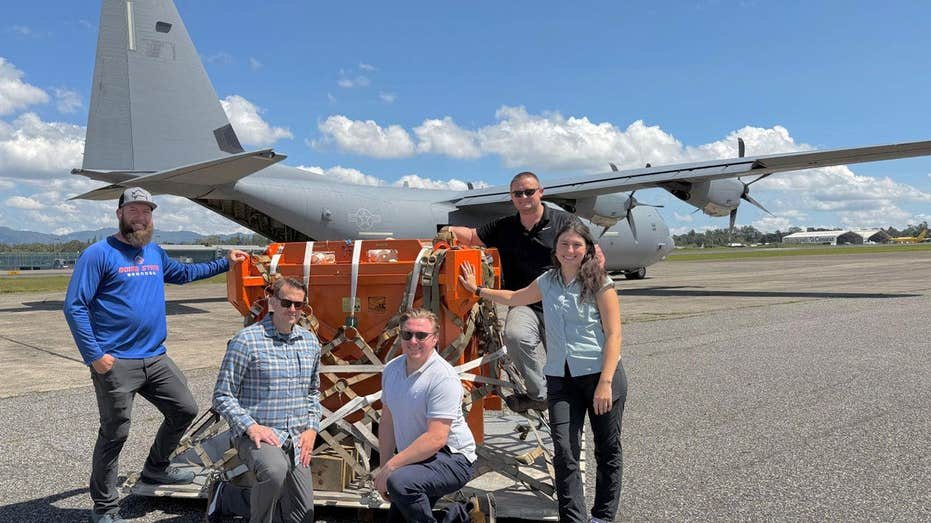
The United States has repatriated a highly radioactive material used in cancer treatment from Guatemala, after officials determined the source could be stolen and used to construct a radiological weapon, commonly known as a „dirty bomb.“ The operation, announced Thursday by the U.S. National Nuclear Security Administration (NNSA), involved the removal of a cobalt-60 component from a disused medical teletherapy machine housed at a Guatemalan facility.
The mission began in May, when specialists from the NNSA's Los Alamos National Laboratory in New Mexico traveled to Guatemala to extract the radioactive component. Guatemalan authorities, including the National Centre of Radioactive Wastes and the Ministry of Energy and Mines, provided transportation, logistics, and physical security throughout the process. After the NNSA securely packaged the material, the Defense Threat Reduction Agency (DTRA) transported it to secure storage on U.S. soil.
Cobalt-60 is widely used in medical devices to treat cancer, but the NNSA noted that highly radioactive sources can pose a significant security threat if they fall into the wrong hands. The agency said the material removed from Guatemala could have been used to create a radiological dispersal device, a weapon designed to spread radioactive contamination over a wide area.
The removal aligns with the Trump administration's broader counterterrorism priorities. The administration's 2026 Counterterrorism Strategy identifies preventing terrorists from acquiring chemical, biological, radiological, or nuclear weapons as a critical national security responsibility. „Our mission is simple: protect American citizens, secure our borders, and ensure our adversaries never get their hands on materials that could harm our country,“ said Matthew Napoli, deputy administrator for the NNSA's Office of Defense Nuclear Nonproliferation.
Napoli described the operation as „a massive win for homeland security“ and highlighted the cooperative relationship between the United States and Guatemala. „NNSA will do whatever it takes to defend America and keep our communities safe,“ he added.
Guatemalan officials also welcomed the removal. Mayra Villatoro, head of the Unit of Technical Laboratories at Guatemala's Ministry of Energy and Mines, said the collaboration eliminated a danger that had been posed to the local community. „Thanks to our collaboration with NNSA and DTRA in removing high-risk radioactive material from our facility, we were able to eliminate the danger it posed to our community and country,“ Villatoro said.
Robert Bridges, DTRA program manager of Nuclear Transportation & Disposition, credited interagency cooperation for the successful repatriation. „The successful repatriation of the cobalt-60 source is a product of vital U.S. Government interagency cooperation,“ Bridges said. „We are proud to work with NNSA to take meaningful action in their mission to eliminate radiological risk and keep America safe.“
The operation is part of the NNSA Office of Radiological Security's broader work with foreign governments and partners to remove high-activity radioactive material and strengthen protections around radioactive sources worldwide. The agency has long warned that poorly secured medical and industrial sources can become targets for terrorist groups seeking materials for radiological weapons.
54