Cabo Touriñán Hosts Europe's Last Sunset Until September 19
The westernmost point of mainland Europe in Galicia is drawing visitors to witness the continent's final sunset, a phenomenon that continues until September 19.
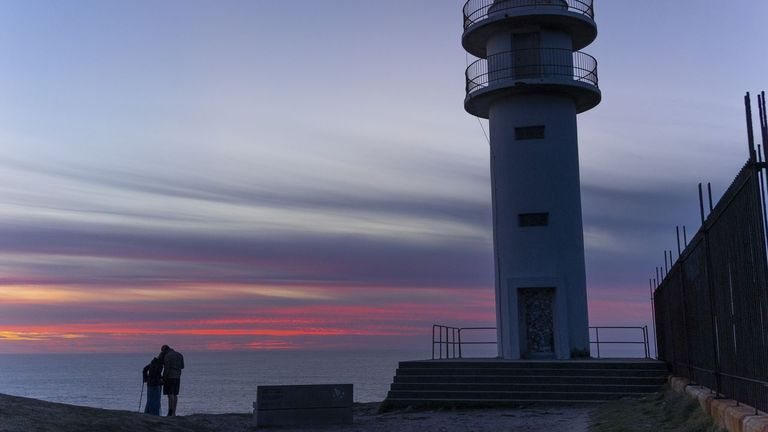
Cabo Touriñán, a rugged headland on the Galician coast, is currently the site of Europe's last sunset — a phenomenon that will continue until September 19. As the westernmost point of mainland Europe, the cape offers a unique vantage point where the sun lingers longest over the Atlantic before dipping below the horizon, marking the final moments of daylight on the continent.
The event has become a cultural and touristic draw, attracting visitors who wish to experience what many describe as the «end of the world». Galicia's Finisterre region has long been associated with this concept, its name derived from the Latin finis terrae, and Cabo Touriñán now claims the distinction of hosting the very last sunset in Europe during this period. The phenomenon is tied to the Earth's axial tilt and orbital position, which cause the sun to set later at higher western latitudes as summer transitions into autumn.
Local authorities and tourism boards have noted an increase in visitors to the area, with many arriving specifically to witness the sunset from the cape's rocky cliffs. The spectacle is not merely a natural curiosity but also a moment of cultural significance, resonating with Galicia's historical identity as a land's end and a place of pilgrimage. The Camino de Santiago, which traditionally ends at Finisterre, has long drawn travelers seeking a sense of completion, and the last sunset adds another layer to that narrative.
Meteorological conditions play a crucial role in the visibility of the phenomenon. Clear skies are essential for an unobstructed view, and coastal fog or cloud cover can obscure the event. Visitors are advised to check local weather forecasts and arrive well before sunset to secure a vantage point. The cape's exposure to Atlantic winds also means that temperatures can drop quickly after the sun goes down, so warm clothing is recommended.
The phenomenon will cease after September 19, when the sun's declination shifts further south, and the last sunset in Europe will move to other locations. Until then, Cabo Touriñán remains a focal point for those seeking to witness the continent's final light. The event underscores the interplay between geography, astronomy, and human culture, reminding observers of the natural rhythms that have shaped traditions and travel for centuries.
For the local community, the annual occurrence is both a source of pride and an economic opportunity. Restaurants and accommodations in nearby towns report higher bookings, and guided tours are being organized to explain the scientific and cultural aspects of the sunset. The phenomenon also highlights the fragility of such natural spectacles in an era of climate change, as shifting weather patterns could alter visibility and the experience itself.
As the sun sets over the Atlantic, Cabo Touriñán stands as a symbol of Europe's western edge, a place where land meets sea and day meets night. The last sunset is not just a visual marvel but a reminder of the continent's geographical limits and the enduring human fascination with boundaries and endings.