Dengue Outbreak Spreads Across Five Chadian Provinces as Health System Strains
Chad's dengue epidemic has now reached five provinces, with eight deaths and more than 3,000 suspected cases, exposing critical shortages of intensive care beds and laboratory testing kits.
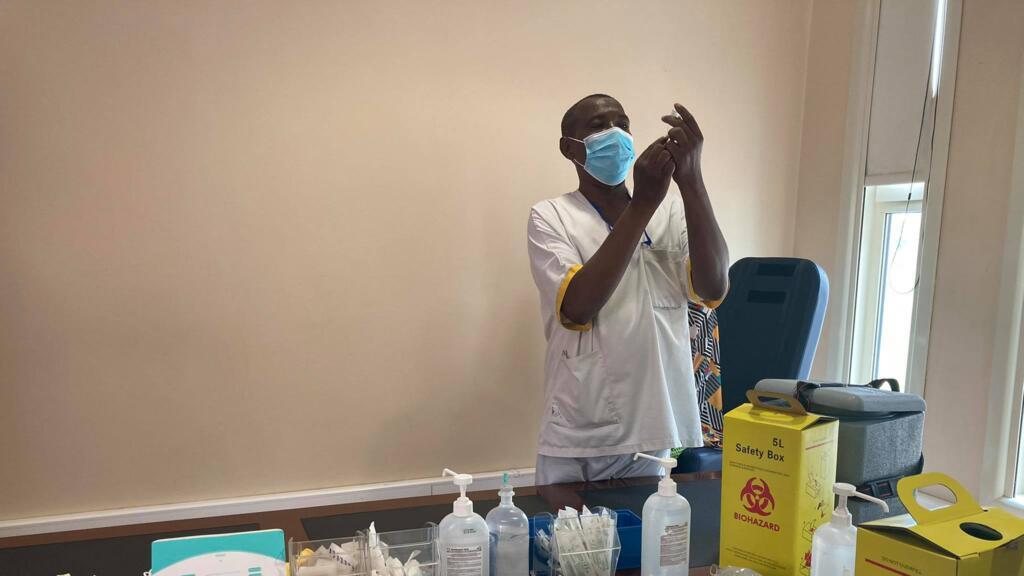
Chad's dengue outbreak has spread to five provinces, with health authorities recording eight deaths and more than 3,000 suspected cases, according to official figures. The epidemic is now officially present in multiple regions of the country, and its progression is drawing attention to structural weaknesses in Chad's health system that extend well beyond the mosquito-borne disease itself.
The most immediate pressure point is the country's limited capacity for critical care. Chad has a severe shortage of intensive care beds, a constraint that becomes acute when dengue patients develop severe forms of the illness requiring close monitoring and emergency treatment. The gap between the number of patients needing intensive care and the beds available has become a central concern as case numbers continue to climb.
A second vulnerability lies in the laboratory network. Testing facilities across the country are reporting problems securing an adequate supply of diagnostic kits, which complicates efforts to confirm cases and track the true scale of the outbreak. Without reliable and timely testing, suspected cases can accumulate faster than health workers are able to verify them, and the distinction between dengue and other febrile illnesses becomes harder to establish.
The combination of these two weaknesses — critical care capacity and diagnostic supply — means the epidemic is testing the health system at multiple levels simultaneously. Dengue typically causes fever, headache, muscle and joint pain, and in severe cases can lead to hemorrhagic complications and shock. Patients who progress to severe dengue require rapid clinical intervention, making the availability of hospital beds and trained staff a decisive factor in outcomes.
Chad's health infrastructure has long faced constraints related to funding, equipment, and staffing, and the current outbreak has brought those limitations into sharper focus. The official tally of more than 3,000 suspected cases across five provinces indicates that transmission is occurring across a wide geographic area rather than being confined to a single locality, which places additional demands on coordination between regional health authorities and the national level.
The epidemic also raises questions about preparedness for arboviral diseases in the region. Dengue is transmitted by mosquitoes that breed in standing water, and outbreaks are influenced by rainfall patterns, urban drainage, and the density of human settlement. Public health responses typically combine vector control measures, community awareness campaigns, and clinical management of cases, all of which depend on functioning laboratories and hospital capacity.
For now, the official figures — eight deaths and over 3,000 suspected cases — provide the clearest measure of the outbreak's reach. The coming weeks will show whether the spread can be contained within the five affected provinces or whether further regions will be added to the list. What the epidemic has already made visible, however, is the margin of vulnerability in a health system where intensive care beds are scarce and laboratory supplies are uncertain, and where a single disease outbreak can quickly expose the limits of both.
8