Iceland rejects EU membership in referendum over sovereignty and fishing concerns
Icelandic voters have rejected EU membership in a referendum, with 52.8% voting no. Concerns over national sovereignty and control of fishing resources drove the outcome, reflecting deep-seated resistance to Brussels influence.
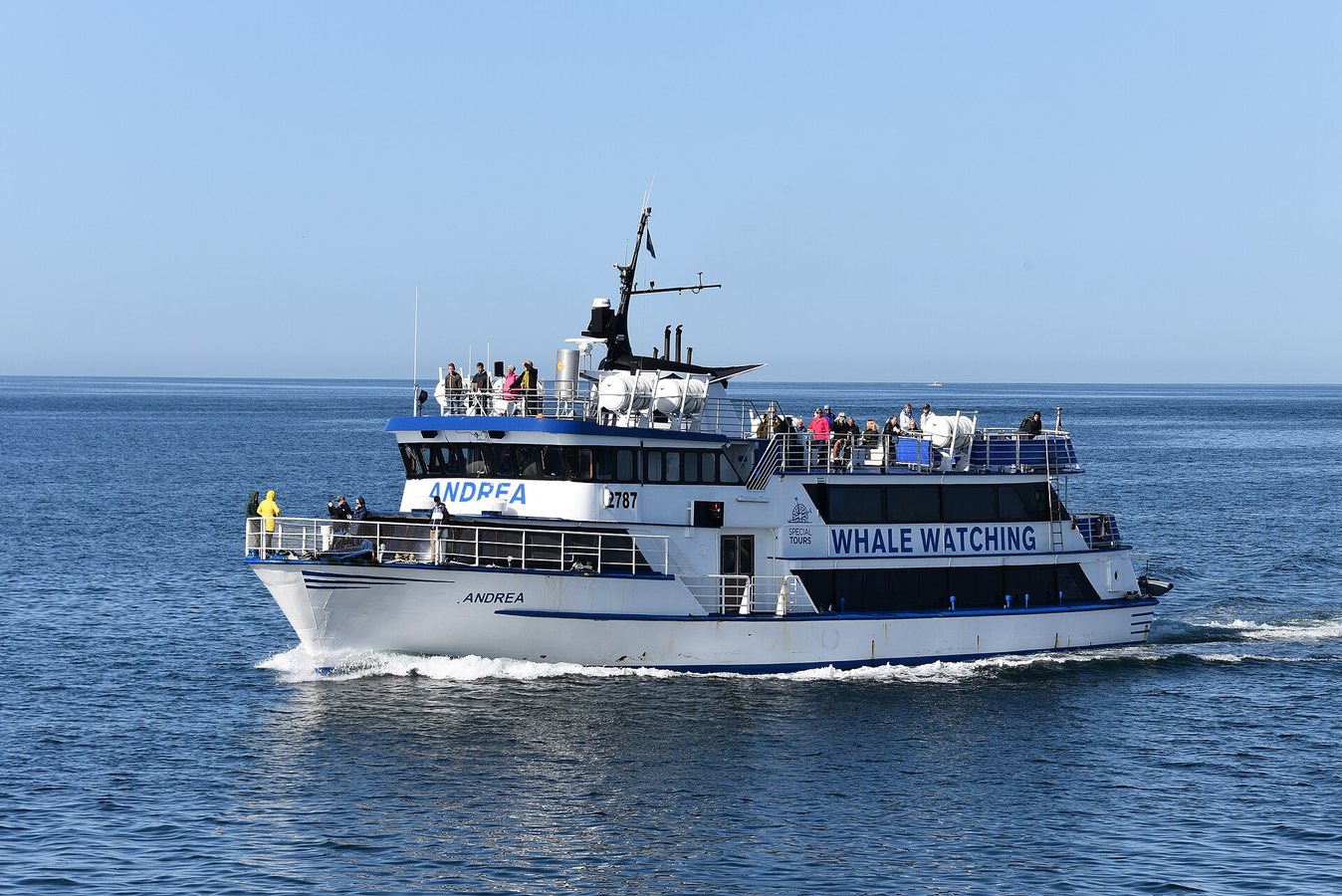
Iceland has delivered a clear message to Brussels: the nation will not pursue European Union membership. In a referendum, 52.8% of voters rejected joining the bloc, a result that underscores the enduring power of sovereignty concerns and the symbolic importance of the country's fishing waters in the national imagination.
The outcome marks a decisive moment in Iceland's long and complicated relationship with Europe. While the island nation has never been a member of the EU, it has maintained close ties through the European Economic Area, which grants access to the single market in exchange for adopting significant portions of EU law. For many Icelanders, however, the prospect of full membership raised fears that Brussels would gain a say over the natural resources that have shaped the nation's identity and economy for centuries.
Fishing, in particular, proved to be a defining issue in the campaign. The country's waters are among the richest in the North Atlantic, and the management of fish stocks is widely regarded as a matter of national sovereignty rather than a technical policy question. Opponents of EU membership argued that joining the bloc would inevitably lead to shared control over these waters, a prospect that resonated deeply with voters across the political spectrum. The 52.8% no vote reflects a broad consensus that the price of membership, in terms of lost autonomy, was simply too high.
The referendum result is not legally binding, but it carries substantial political weight. The Icelandic government had called the vote to gauge public sentiment on a question that has divided the country for years. With the result now clear, political leaders are expected to shelve any immediate plans for EU accession talks and focus instead on deepening the existing relationship with Europe through the EEA framework.
Iceland's decision fits into a broader pattern of skepticism toward European integration in the Nordic region. While neighboring countries like Denmark and Sweden have navigated their own complex relationships with the EU, Iceland has consistently maintained a more cautious stance. The country's small population and its reliance on industries such as fishing and tourism have fostered a political culture that prizes self-determination and is wary of distant bureaucratic decision-making.
The no vote also carries historical resonance. Iceland has a long tradition of asserting its independence, from its peaceful separation from Denmark in 1944 to its refusal to join the EU despite being a founding member of NATO. The referendum can be seen as another chapter in this story, a reaffirmation of the nation's desire to chart its own course in the world.
For now, the question of EU membership appears settled, at least for the foreseeable future. The government has indicated that it will respect the will of the people and prioritize other matters, including economic stability and the management of the country's natural resources. The debate over Europe, however, is unlikely to disappear entirely. As the EU continues to evolve and global challenges reshape the geopolitical landscape, Iceland may once again find itself asking where its future lies.
53