Nepal Estimates Flood Damage at $5 Billion, Citing Climate Change
The Nepalese government has estimated the cost of last week's catastrophic floods at $5 billion, directly attributing the disaster's severity to climate change. The assessment covers widespread destruction of infrastructure, homes, and agricultural land across the country.
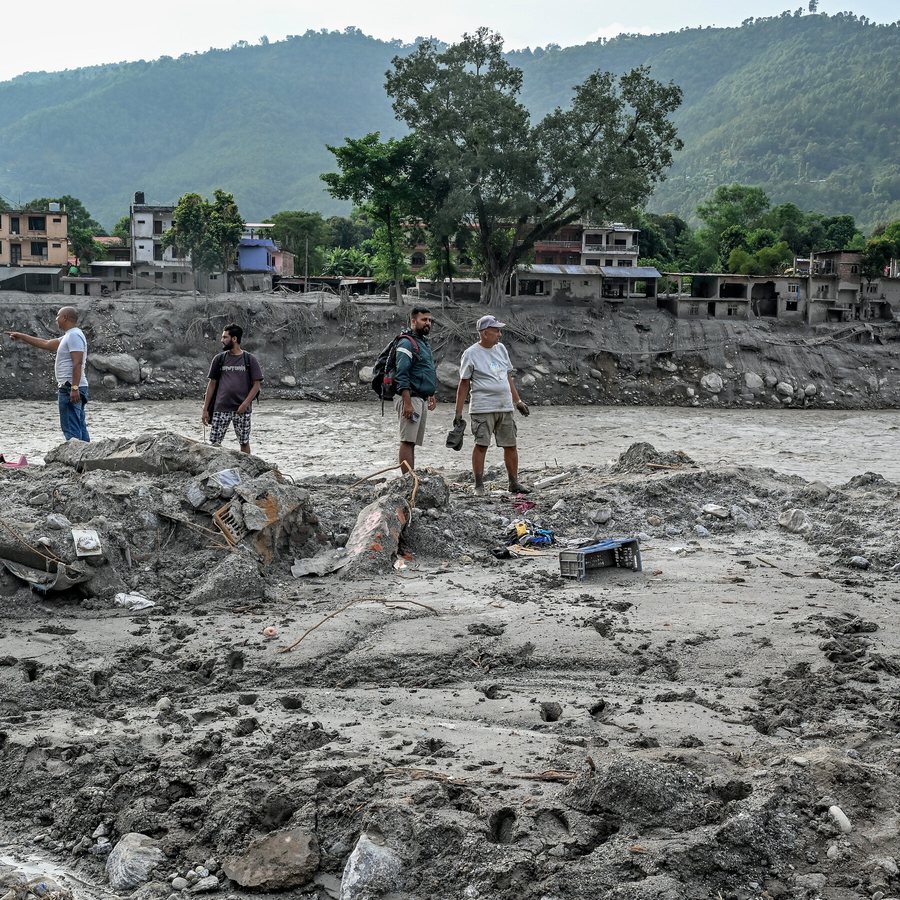
The government of Nepal has placed the financial cost of last week's catastrophic flooding at $5 billion, a figure officials are directly linking to the accelerating impacts of climate change. The assessment, released on Monday, covers the extensive damage to infrastructure, housing, and agricultural land across the country, marking one of the most expensive natural disasters in the nation's history.
The floods, triggered by intense and prolonged rainfall, unleashed massive mudslides and debris flows that swept through villages and towns, particularly in the southern Terai region and central hill districts. Entire communities were buried or washed away, leaving thousands homeless and destroying vital road networks, bridges, and irrigation systems. The government's preliminary estimate includes the cost of rebuilding critical public infrastructure as well as compensation for private property losses.
Officials and climate scientists have pointed to the unusual intensity of this year's monsoon as a clear sign of changing weather patterns. While Nepal is no stranger to seasonal flooding, the scale and ferocity of this event have been described as unprecedented in recent memory. The government's statement explicitly names climate change as a primary driver, noting that glacial melt in the Himalayas and shifting rainfall patterns are increasing the frequency and severity of such disasters.
The $5 billion figure represents a significant economic blow for Nepal, a country with a gross domestic product of roughly $40 billion. The disaster is expected to slow economic growth, strain public finances, and set back development goals by several years. International aid agencies have already begun mobilizing relief efforts, but the long-term reconstruction effort will require substantial foreign investment and technical assistance.
Beyond the immediate financial toll, the floods have raised urgent questions about urban planning and environmental management. Rapid, unregulated construction in flood-prone areas and the deforestation of hillsides have exacerbated the vulnerability of many communities. Experts argue that rebuilding efforts must incorporate more resilient design standards and better land-use policies to mitigate the risk of future catastrophes.
For many Nepalis, the disaster is a personal tragedy. Families have lost loved ones, livelihoods, and homes in a matter of hours. The psychological and social scars are likely to persist long after the waters recede. The government has pledged to provide temporary shelter and financial support to affected families, but the scale of need is immense.
As the country begins the long process of recovery, the disaster has also reignited a national conversation about climate justice. Nepal contributes a negligible fraction of global greenhouse gas emissions, yet it is bearing some of the heaviest consequences of a warming planet. The government has reiterated its call for developed nations to honor their climate finance commitments, arguing that the cost of adaptation and recovery should not fall solely on the shoulders of the world's poorest countries.
66